High View Primary: Plymouth’s thriving arts-rich community hub

Here at RAPS, we are fascinated by the role of the arts-rich primary school as a hub for community creativity. High View in Plymouth is an excellent example of how the arts can reach, engage and transform children, parents, families and wider communities.

As the name suggests, High View has a panoramic outlook on the landscapes and seascapes of Plymouth and its environs. This hill-top perspective reminds us that we are only three miles or so away from Plymouth’s iconic marinas and docks. We are in fact in Efford, a distinct community with its own cultural identity. Read on to find out how the students of High View are documenting their local community and its culture through art projects.
Built twelve years ago, High View is the result of the merger of two local primaries. Arts coordinator and SLT Jenny Hobbs told us how, as part of a building design team, the students were involved in the planning process, making decisions about the colours of the walls, the décor, the classrooms and toilets. 

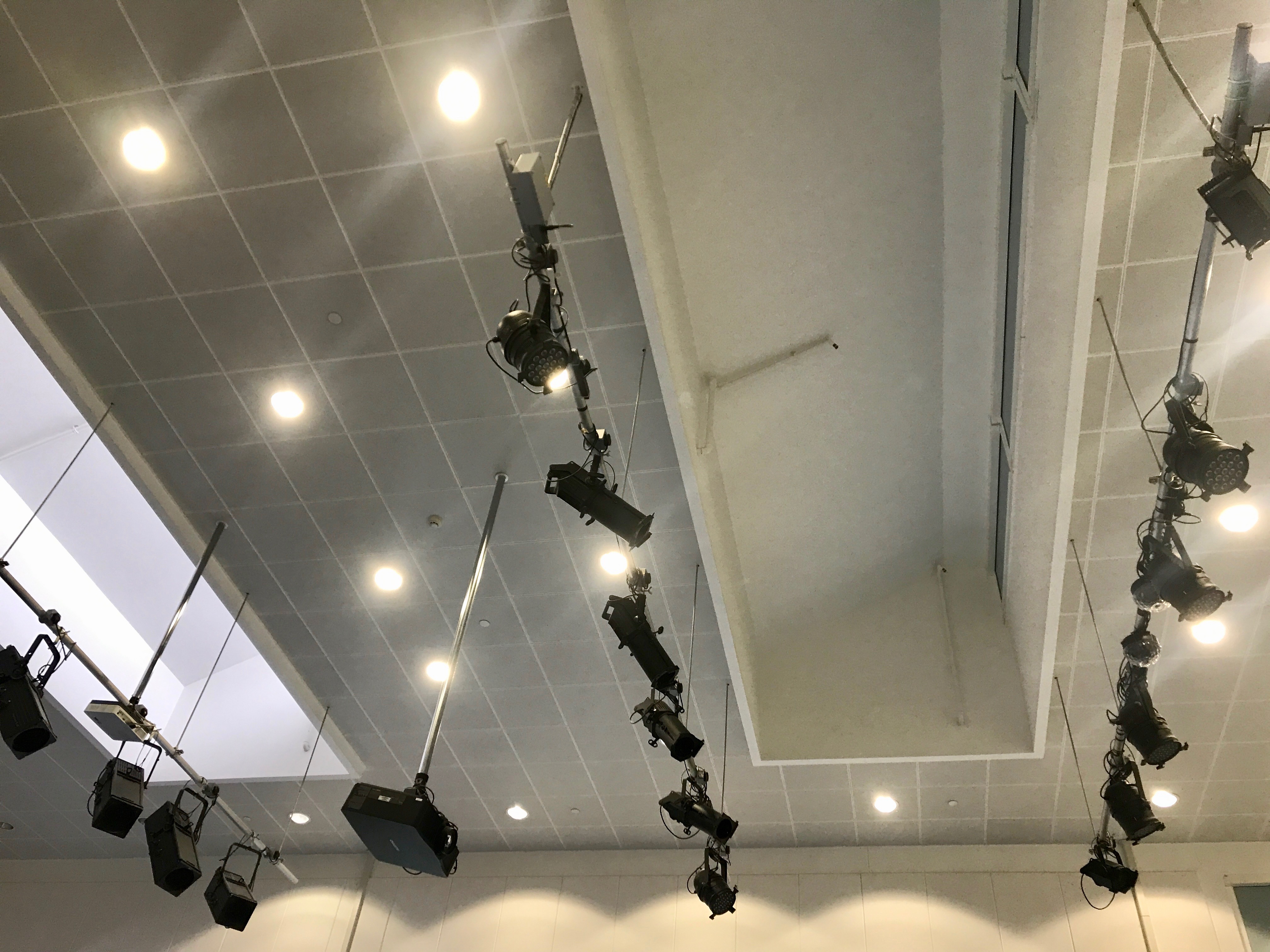
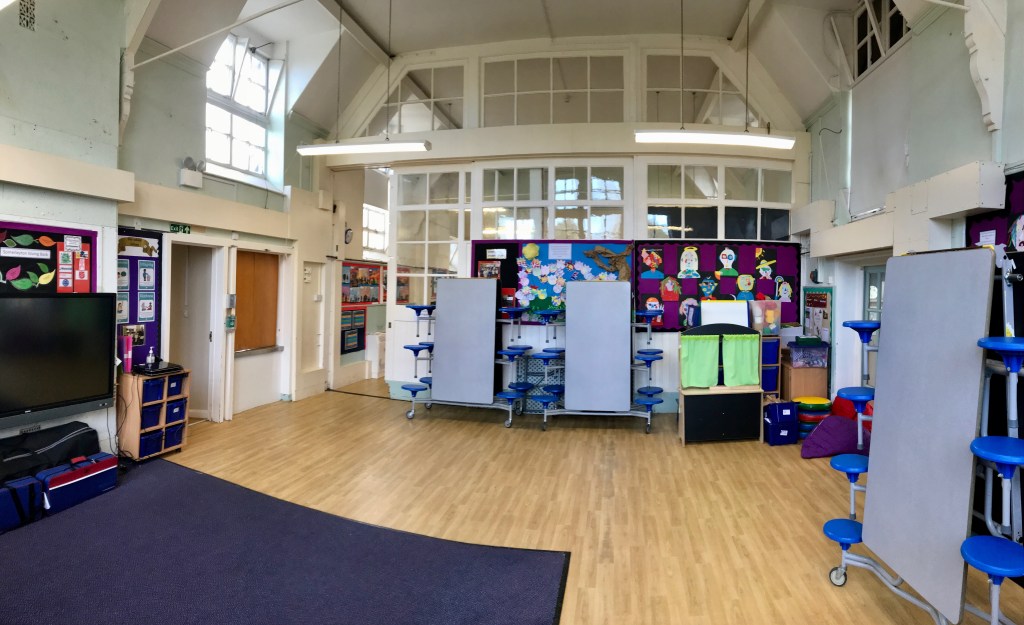
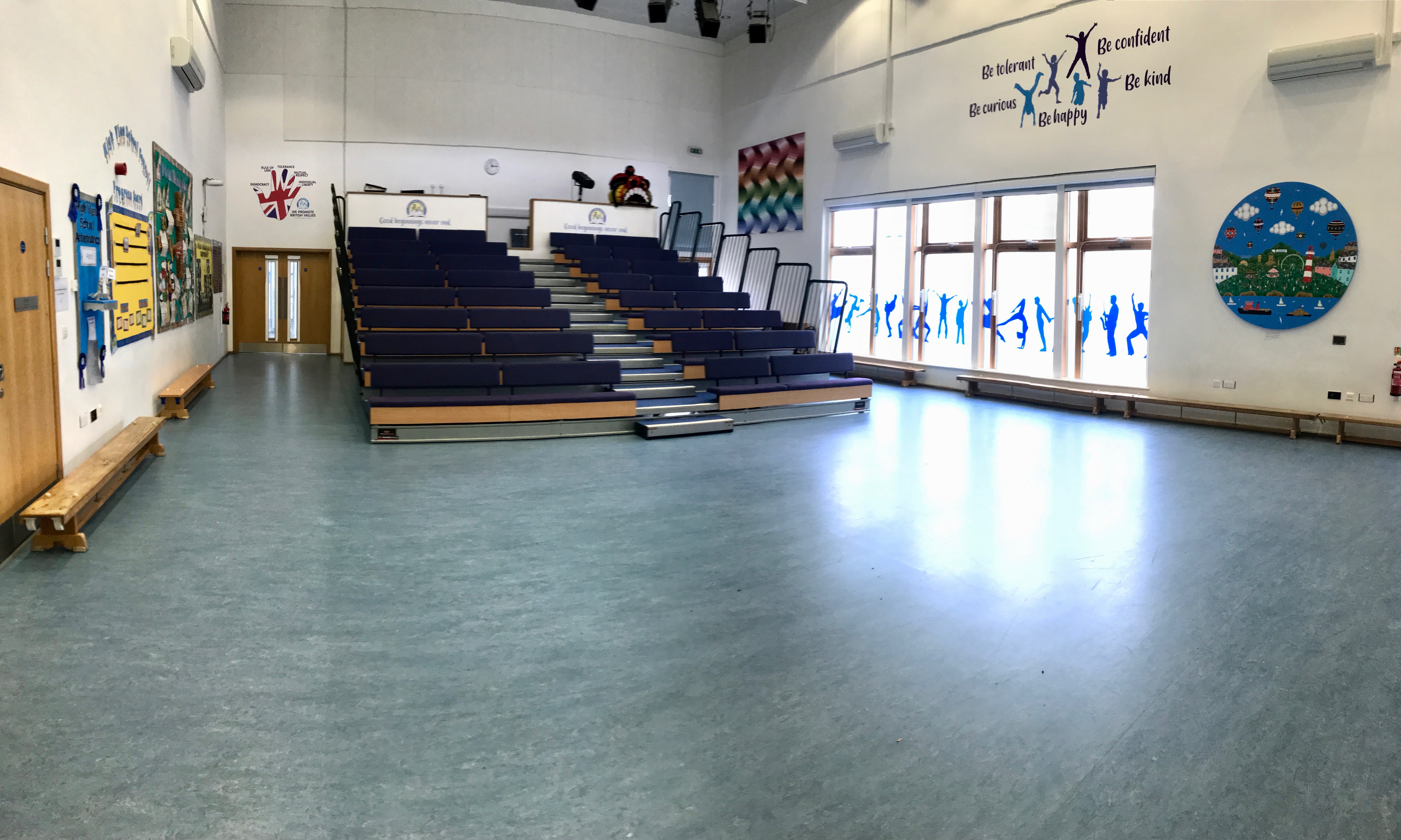
Our base for the day was the music room. This space doubled as the stage area of the main Hall and could be separated by a retractable wall. The professional lighting rigs, sound equipment, hanging theatrical microphones, black stage curtains and raked seating, made it clear that this space was perfect for big performance assemblies (with students working the lights, writing scripts, dancing, acting and singing) and termly productions. In addition, the school had recently hosted a creative education network conference in this space.

As well as the sailing, horse riding and other extra-curricular clubs, we learned about the extensive provision for music instrumental playing. We spoke with Gem Smith in her role as the school’s creative education ‘guru’. She is the school’s dance teacher. High View students are also taught dance by Exim Dance in an extra-curricular club.

Gem, in her role with Take A Part, supports the school with arts/creativity CPD, and also helps link the school to community art projects, finds the right artists and crafts people, and helps with writing funding bids. Gem supported High View on their journey to become Plymouth’s first Arts Mark Gold school.

And while the performing arts were clearly thriving at High View, the visual arts had an equally high profile. 

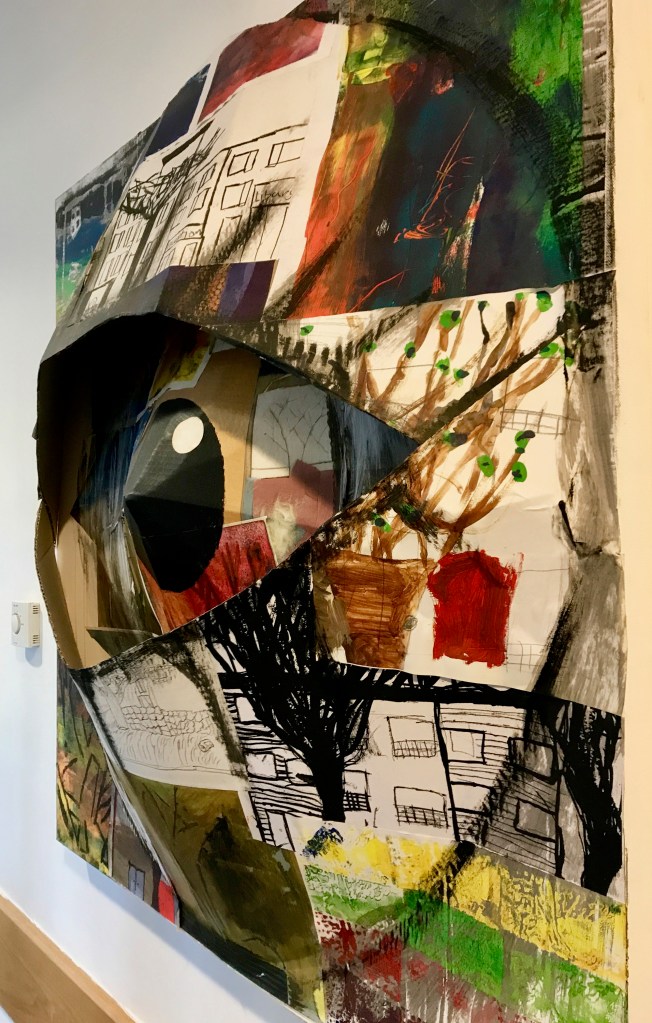
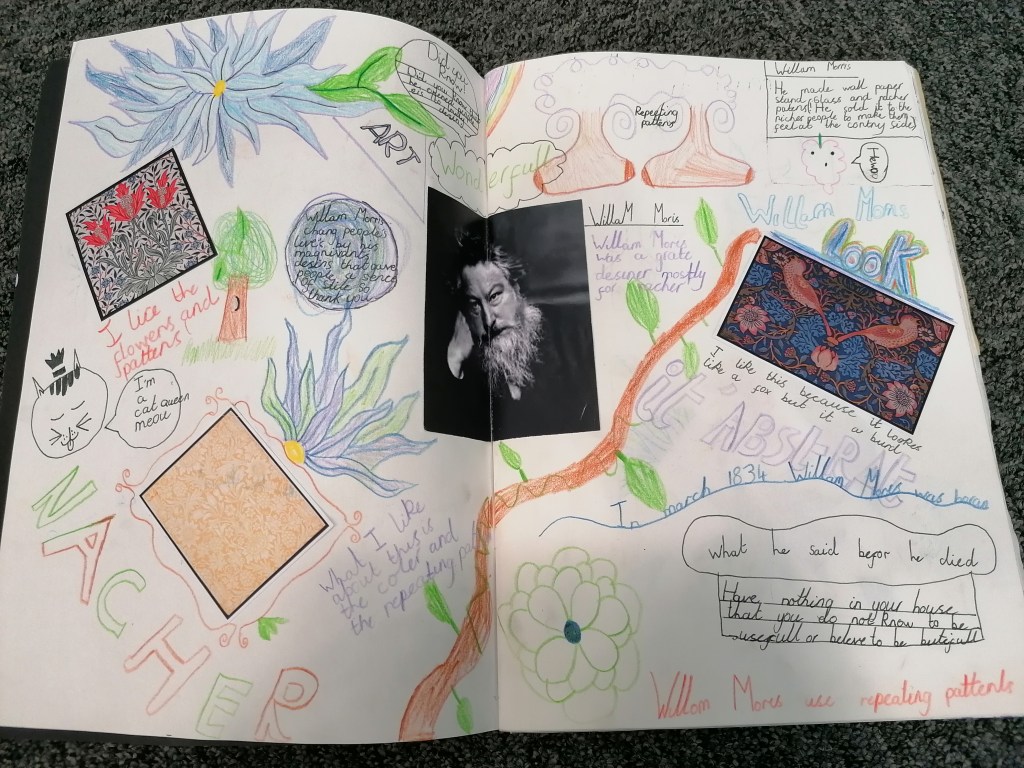
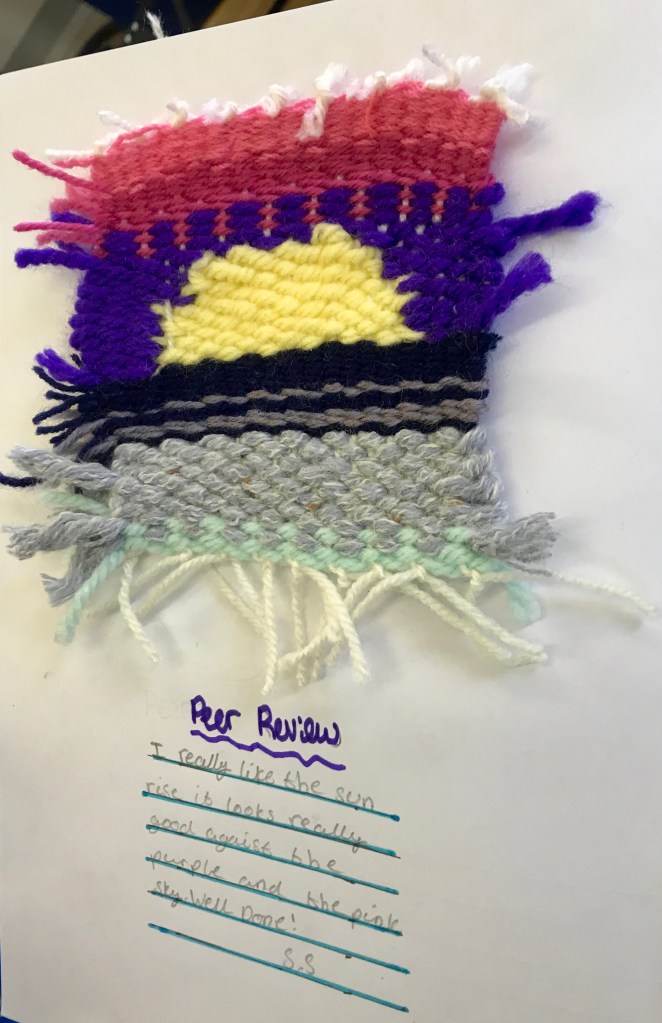
Students had looked at LS Lowry for their perspective drawings, William Morris in the context of the Victorians for their own printed wallpaper designs, and Stone age cave art to create their own paints out of natural materials.

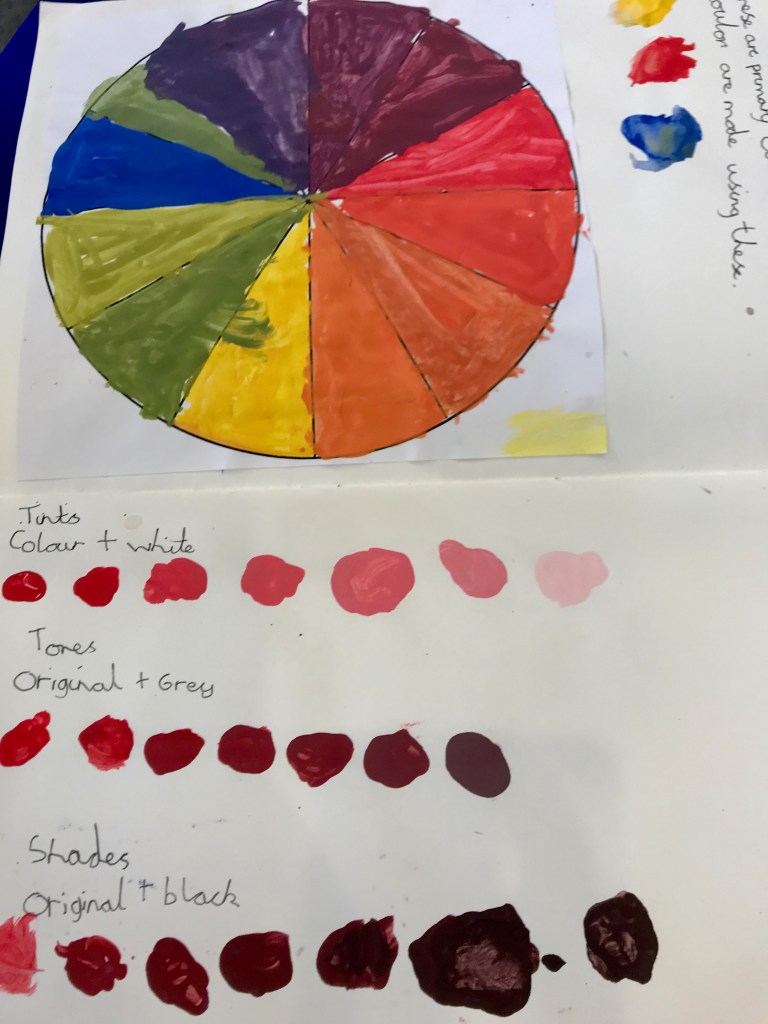
Year 4 had been studying Swiss painter Paul Klee. The students showed us their sketch books and talked us through all of the class discussions and arts activities that were inspired by looking at Klee. The class had made a wider study of Egypt and its art by discussing Klee’s expressionist painting Legend of the Nile and his travels in Africa. They had created a colour wheel, talked about the emotions of the artwork, particularly the emotions of colour, and expanded their emotional vocabulary which, Jenny told us, was linked to English, Oracy and PSHE.

The class had discussed their various opinions about Klee’s work and of abstract painting. Their in-class mini art exhibition, where they walked and talked about each other’s work, led to conversations about techniques, the intentions of the artist, interpretation, personal preference, and the subjective nature at art. 

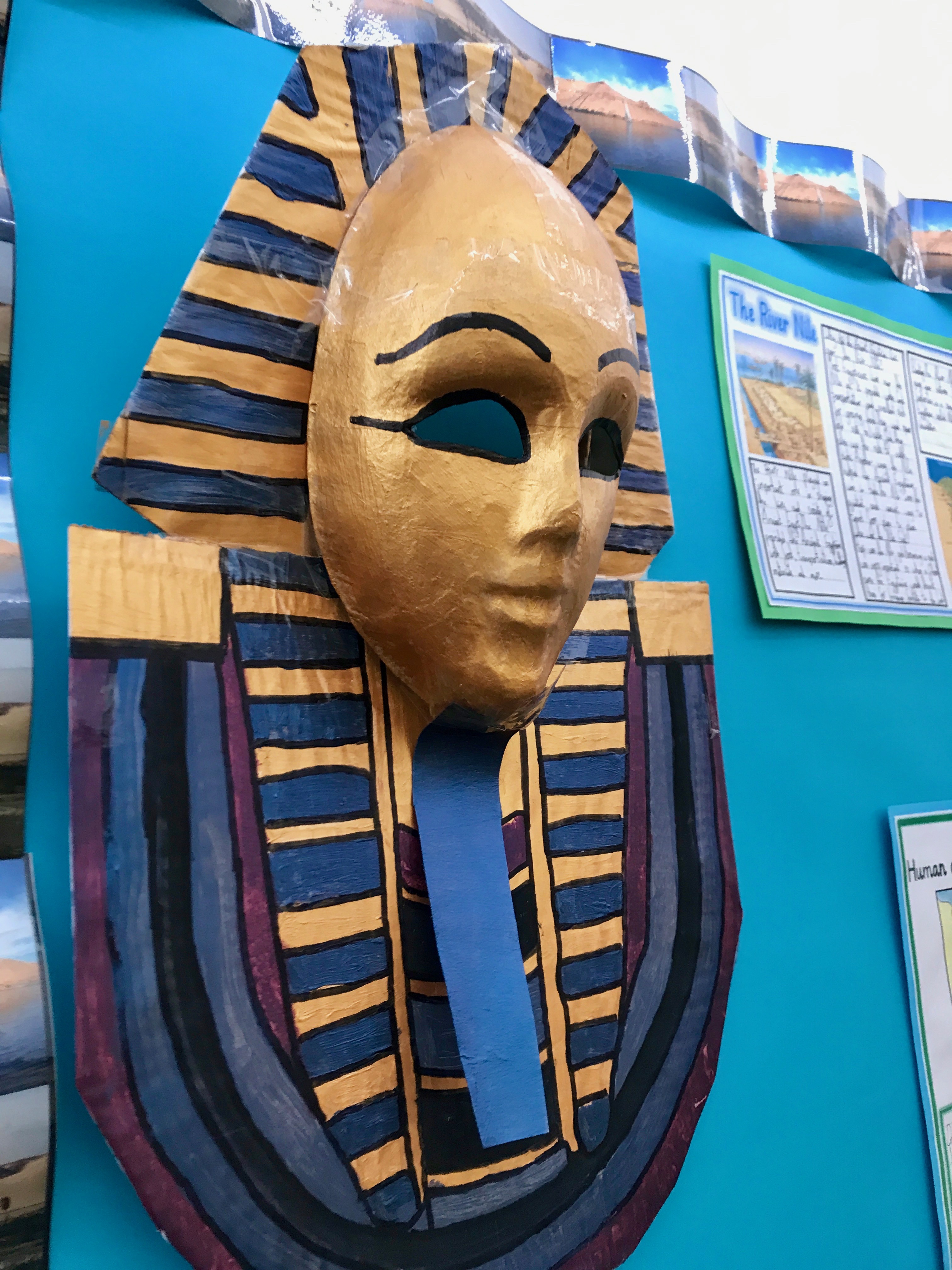
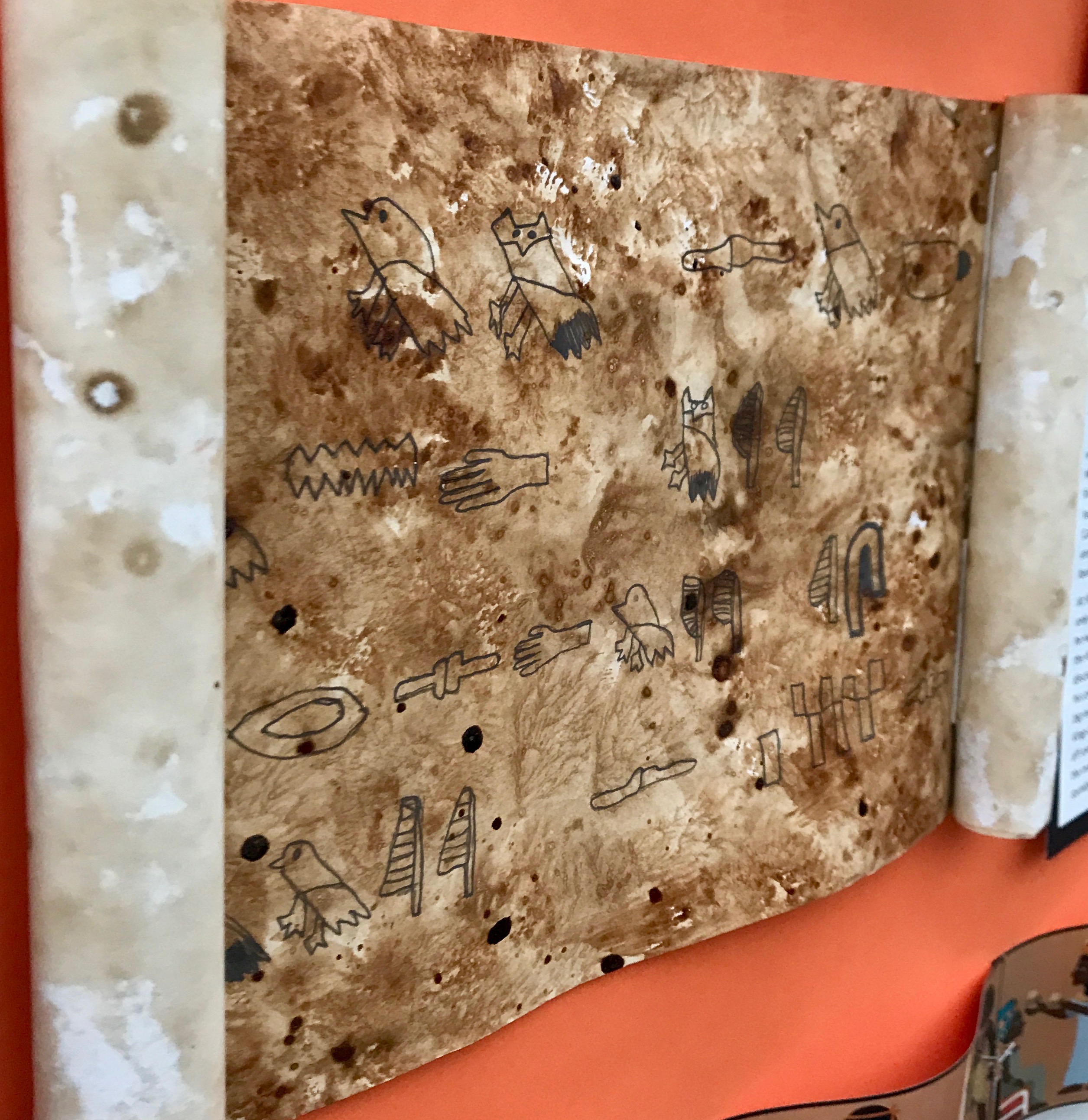
Some of the students’ work on Egypt had made it to the High View Museum. The wide range of sculptures, death masks, mummies and hieroglyphic art works were created at home with parents in a no-pressure inter-generational project. Jenny told us about a child coming to school with a ‘whole entire pyramid, made out of clay bricks where the top lifts off and you can see Pharaohs in coffins’.

Headteacher Jody Trayte told us about Crazy Glue, a parent-and-child art group. Every month, parents come into the school to work with artists alongside their children on different art projects. These can open up community and city-wide opportunities for exhibition and projects, such as acting as exhibition tour guides for their peers on contemporary arts exhibitions like the British Art Show. The project originally targeted ‘hard to reach’ parents but has expanded to encompass a range of community arts projects and creative curriculum opportunities.
The school is also involved in the annual Children’s Parade as part of Plymouth’s Respect Festival.

Our bike rides (Liam has a fold up bike!) around Plymouth’s marinas, ports and The Hoe gave us a strong sense of the city’s maritime history, its continent-discovering past, and its ferry port-and-docks present. However, Gem told us about one of the school’s community art projects that was designed to map the cultural past and present of Efford.

Shortly, the students will begin work on a travelling museum. Gem explained how, with the artist Tom Goddard, ‘about eight children and their families are going to interview community members, gather stories and then make objects linked to those stories. They will walk the community and tell their own kind of stories and ideas about their area and its history’. This museum of art objects will travel around Efford and the two other communities involved (Whitleigh and St Jude’s) in a converted cargo bike.

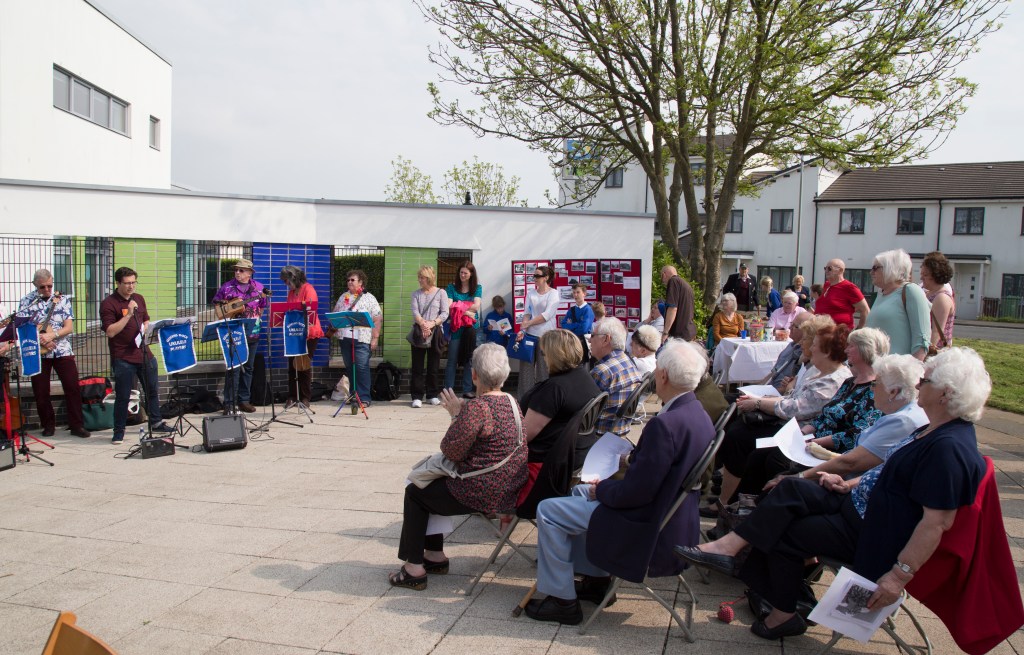
Gem told us how important it was to collect these stories from areas such as Efford that ‘are not really told and aren’t represented in Plymouth story’. Just two or three generations ago, this area was farms and fields, giving it a cultural history distinct from Plymouth’s tourist branding around Francis Drake, the Mayflower and the Pilgrims.An old pub sign hangs next to the school. It used to sit across the road in the local pub but was found rusting away in nearby allotments. The team spoke to the landlord of the pub and got inspired by stories about why the landlord made people smile. This new one created by students working with artist Tom Goddard to capture the stories around the community.

‘I’m really proud of what we do here,’ Jenny told us, ‘… which is why my son comes here’.

‘I love the positivity that art can bring’ she continued. ‘I love what they can do for mental health and confidence. It’s so important to me that children feel valued’.

As an arts-rich hub for community creativity, Jody, Jen and Gem have set the arts bar high. Jenny summed up the school’s aspirations: ‘We just want to give our children the very best. That’s what we want the arts to do’.

We wish them all the very best in the work they are doing.

Many thanks to Headteacher Jody Trayte, Arts coordinator and SLT Jenny Hobbs, creative education ‘guru’ Gem Smith and all of the students we interviewed on the day.

You may also be interested in reading our recently-published Art, Craft and Design Rapid Evidence Review – a survey of published scholarly literature on art, craft and design in education.
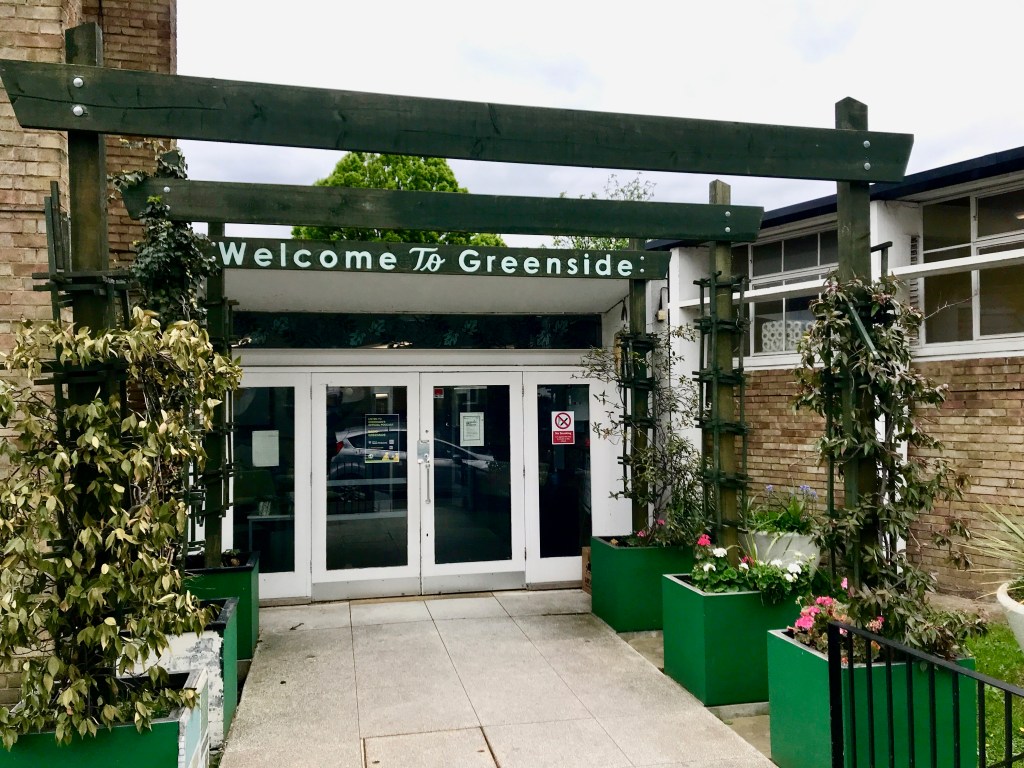
Greenside Primary: It’s time for your close-up!

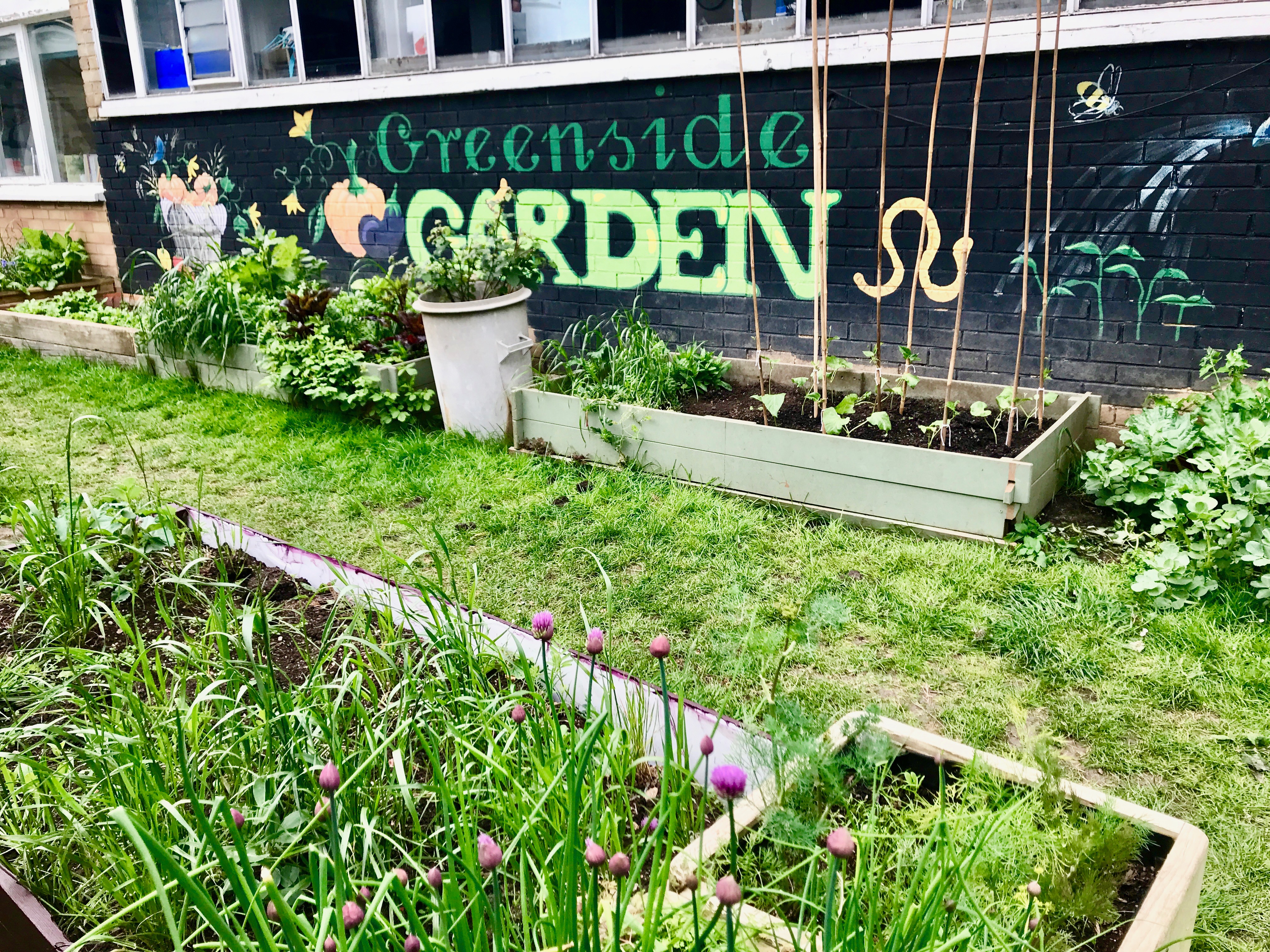
Greenside Primary is a school of around 220 students located in Shepherd’s Bush, West London. They are currently celebrating their 70th year. The Queen’s Platinum Jubilee is a nice tie-in to their own festivities. Their modernist building is Grade II* listed. A WW2 bomb crater in what is now the playground (‘the Learning Garden’) has been turned into an amphitheatre, a reminder of how much this part of London was hit in the Blitz. 

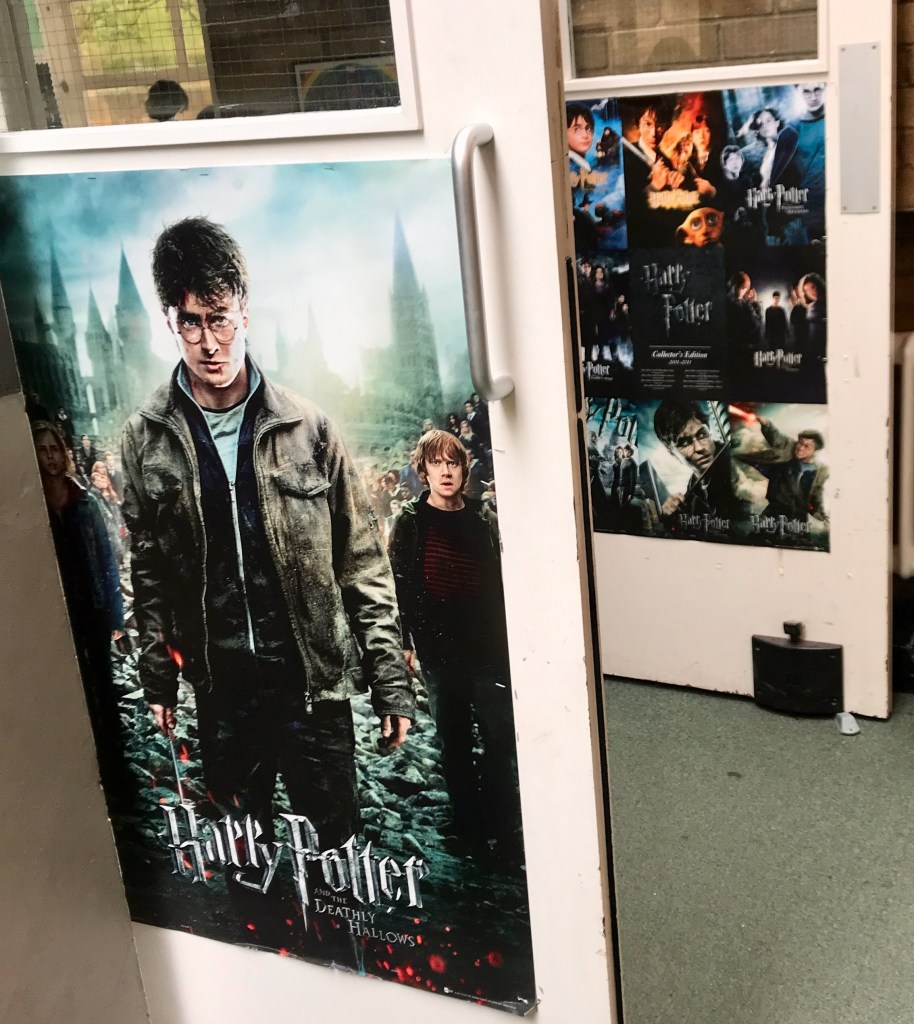
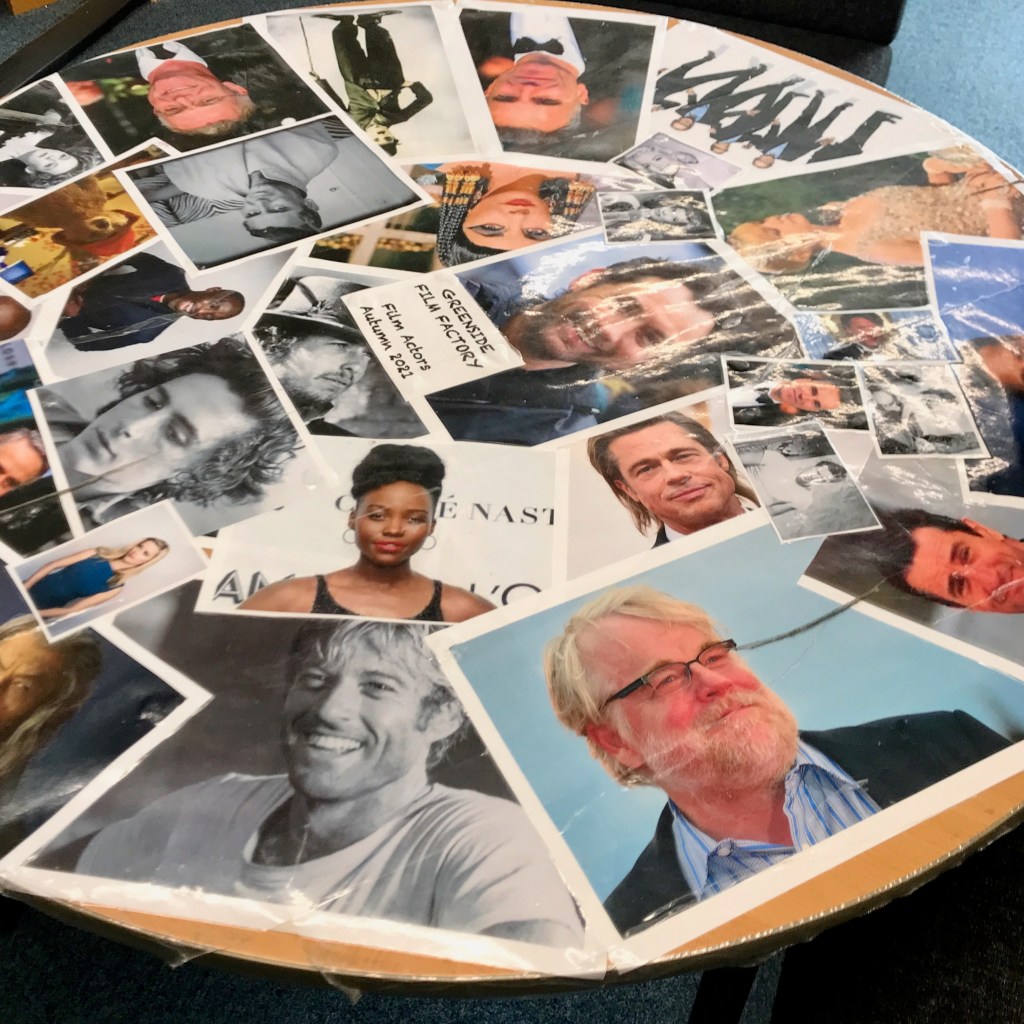
Greenside has a unique feature (we think). They teach through film. In fact, they are a film factory! Not only is the curriculum hooked around movies; the students also study filmmaking and animation. The school’s green screen gets lots of use! The rooms and corridors are decorated with film posters, props and movie memorabilia. Star Wars is well represented!

All year groups work with one film every half term. There are rules to ensure diversity. This year, at least one film has to be in black and white (Year 3 were looking at Charlie Chaplin’s The Great Dictator), one in a foreign language, one about a journey (physical or spiritual), one musical, etc. Only one can be an animation. Year 5 were currently working on 2001: A Space Odyssey which they had linked to another 1952 event – the Viking rocket and the beginning of space exploration.  

The school was also focusing on the 1952 film Singing in the Rain. Year 6 were due to perform Bugsy Malone at the end of the year. Unsurprisingly, Greenside has strong links with the British Film Institute

Developed about five years ago, this innovative approach to primary education was the vision of Executive Head Karen Bastick-Styles, supported by her film-fanatic SLTs, Head teacher Robin Yeats and Deputy Head Georgina Webber. The team were given a blank slate by the Elliot Foundation Academies Trust to redesign the curriculum based on their ideas for the ideal school. These included creating emotive artistic immersive experiences through film that could inspire the children’s writing and other subjects.

Robin told us that: ‘we are a very multicultural school in very multicultural city. We have lots of children whose first language is not English’. He explained how ‘film is a great leveller. Even if you don’t have any English language, you can still watch a film and interpret the images.’

Each student from Year 1 to Year 6 has an iPad loaded with movie making and design apps such as iMovie and iMotion. Year 5 were working on their film posters using Canva while we were there. We spoke with ICT lead and Year 4 teacher James Tilden who told us about the commitments of time and resources necessary to keep up that level of IT. Each classroom needs a router!

Greenside also has an innovative timetable. Every Monday, Tuesday and Wednesday is a STAR day which mean that the English, Maths and topic work gets done by STudents As Researchers. Thursdays are Crew days where Years 1 to 6 combine to do projects in specific topic areas, just like a film crew. In addition, classes take breaks on a flexible basis (lunchtimes are fixed) according to whenever the teacher and students feel best. We also learned about ‘specialisms’. Every Friday from 11:00 until 12:30, Years 1 to 6 mix and work with a different teacher every half term on a topic or skill in which that teacher is an expert.

As RAPS researchers, we are interested in the extra things that arts-rich schools do alongside their arts – pointers to a wider ethos and philosophy of an arts-rich primary education. With that in mind  …

Greenfield is entirely vegetarian. Sometimes parents come in to cook a culturally specific meal for everyone at lunchtime. There is also a big push towards sustainability. Co-arts lead and our liaison on the day Ciara Finney told us how the younger students are doing lots of work around the value of bees. The older students told us how they have created art works around issues such as net carbon neutrally, ‘no dig’ gardening, and the damaging effects of fast fashion and fast food. 

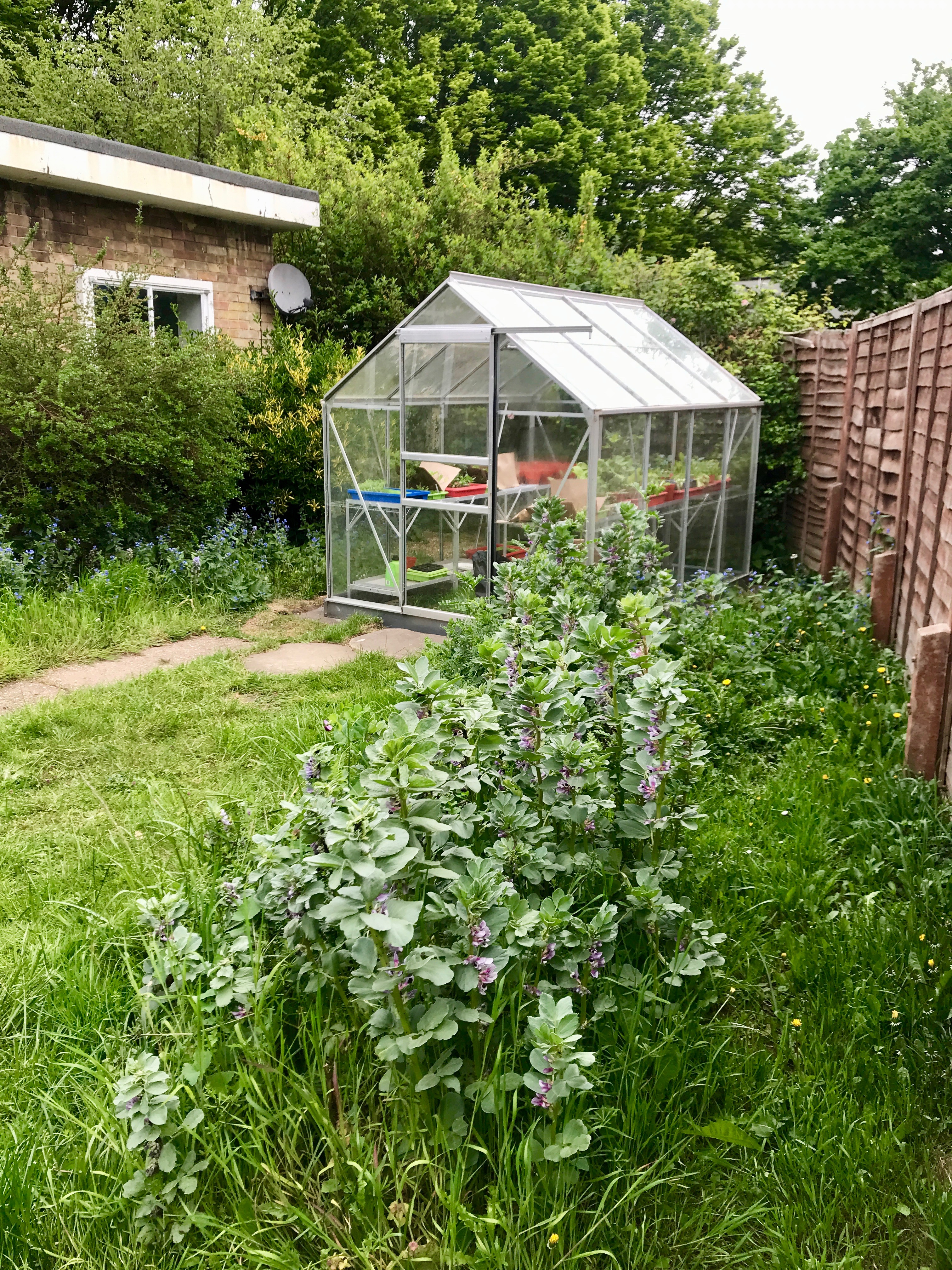
The allotment garden was thriving! Parents come in to help the students with growing vegetables and flowers, composting and nurturing seedlings in the greenhouse and cold frames. Did you spot the piles of chitting potatoes in the Head’s office in the photo of the giant clapper board above?

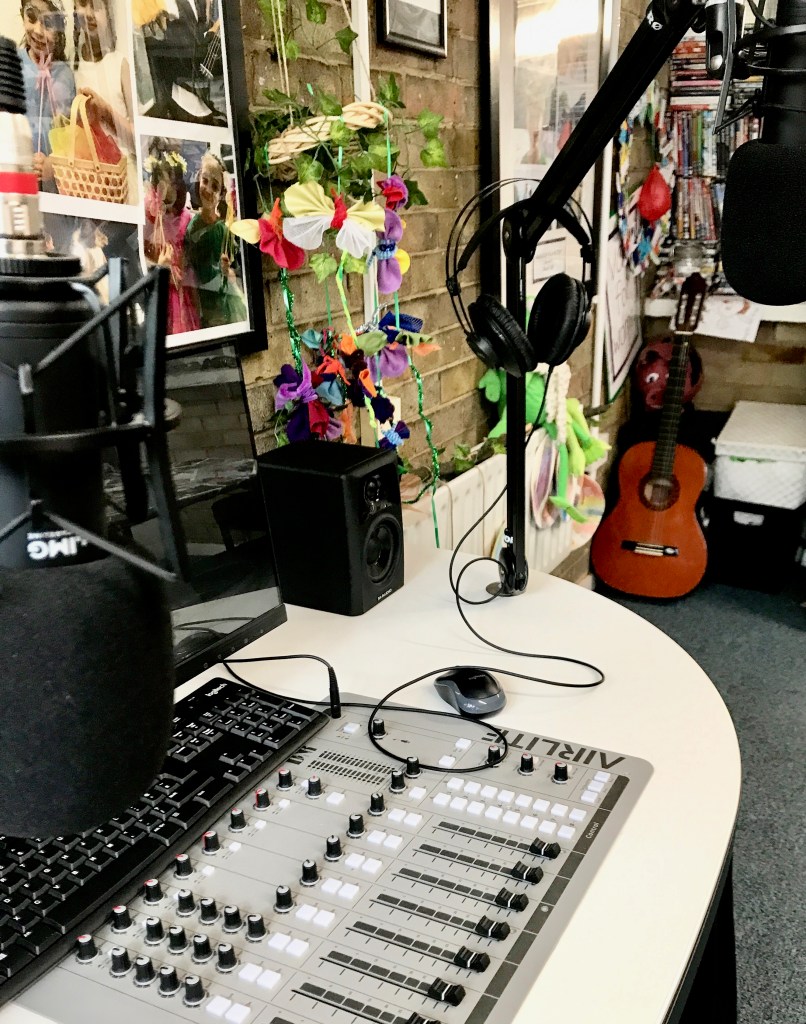
Alongside the film resources, Greenside has a radio station for podcasts and broadcasts. Use the QR code on the photo below to tune in!

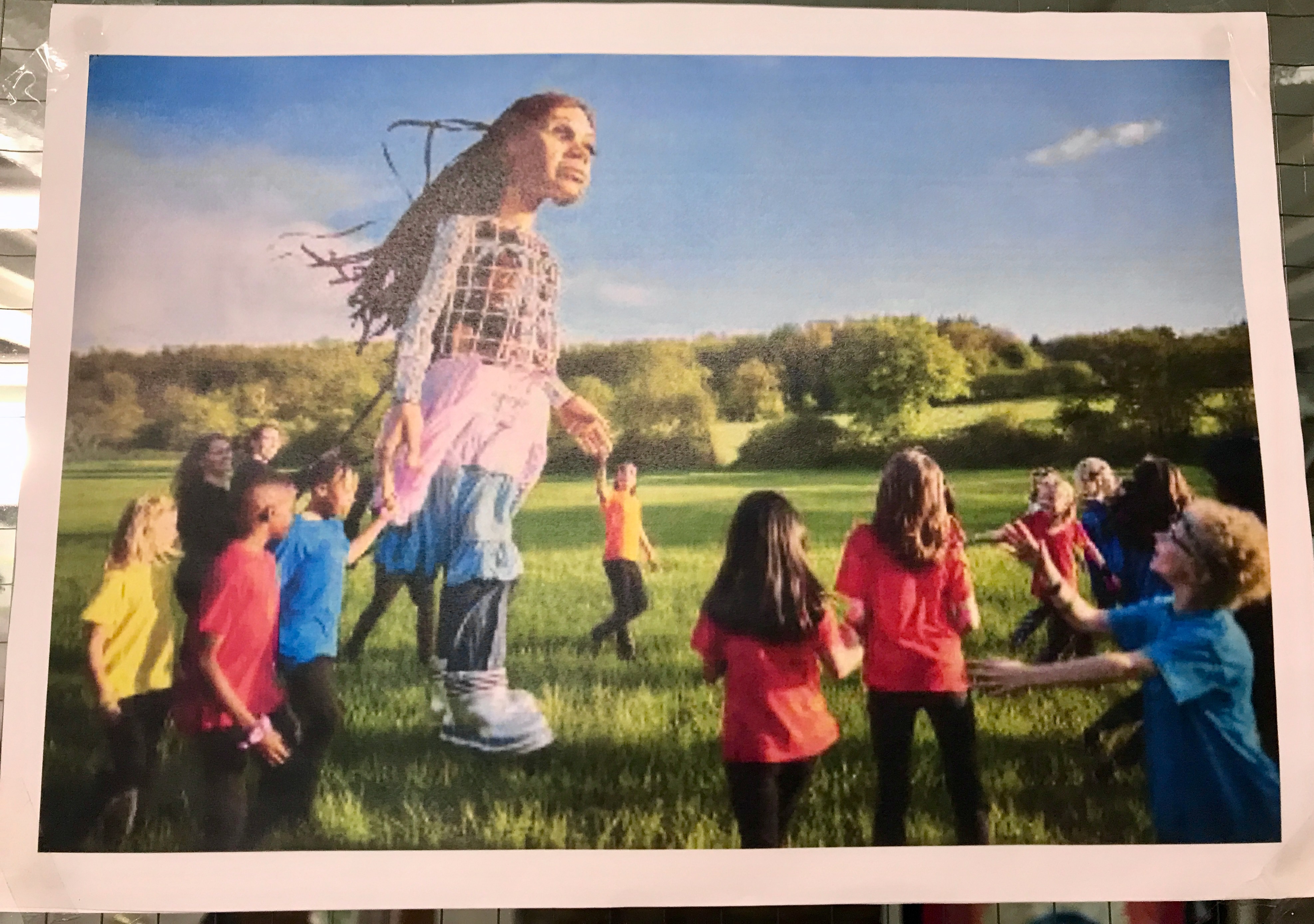
Some of the students visited the Glastonbury festival last year to film a piece with Little Amal, the giant puppet of a Syrian refugee girl who walked across the UK trying to find her mother. They talked about having to do take after take, walking across the same field, holding Amal’s hand while not looking at the drone cameras. True professionals! Watch a backstage clip here.

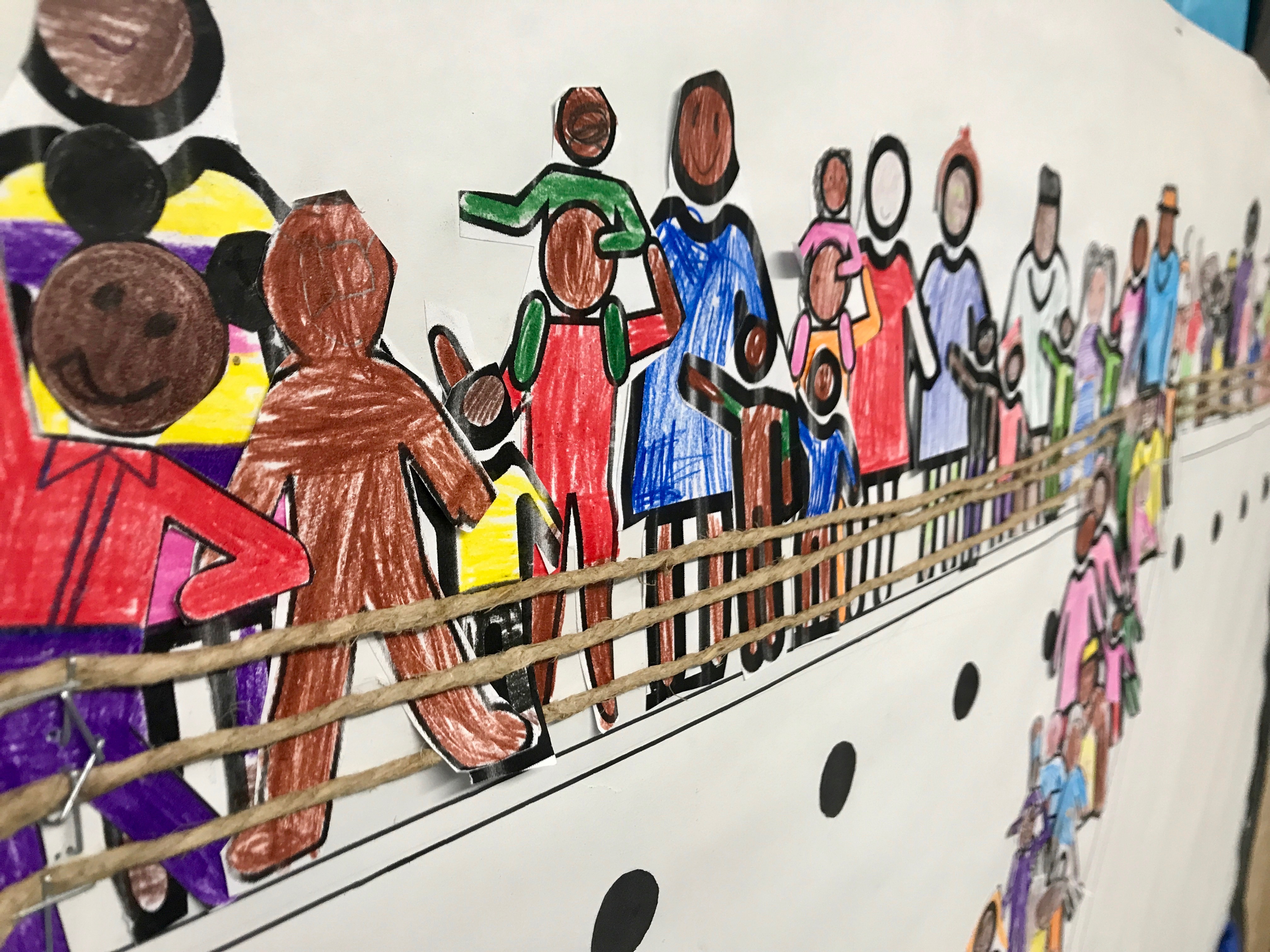
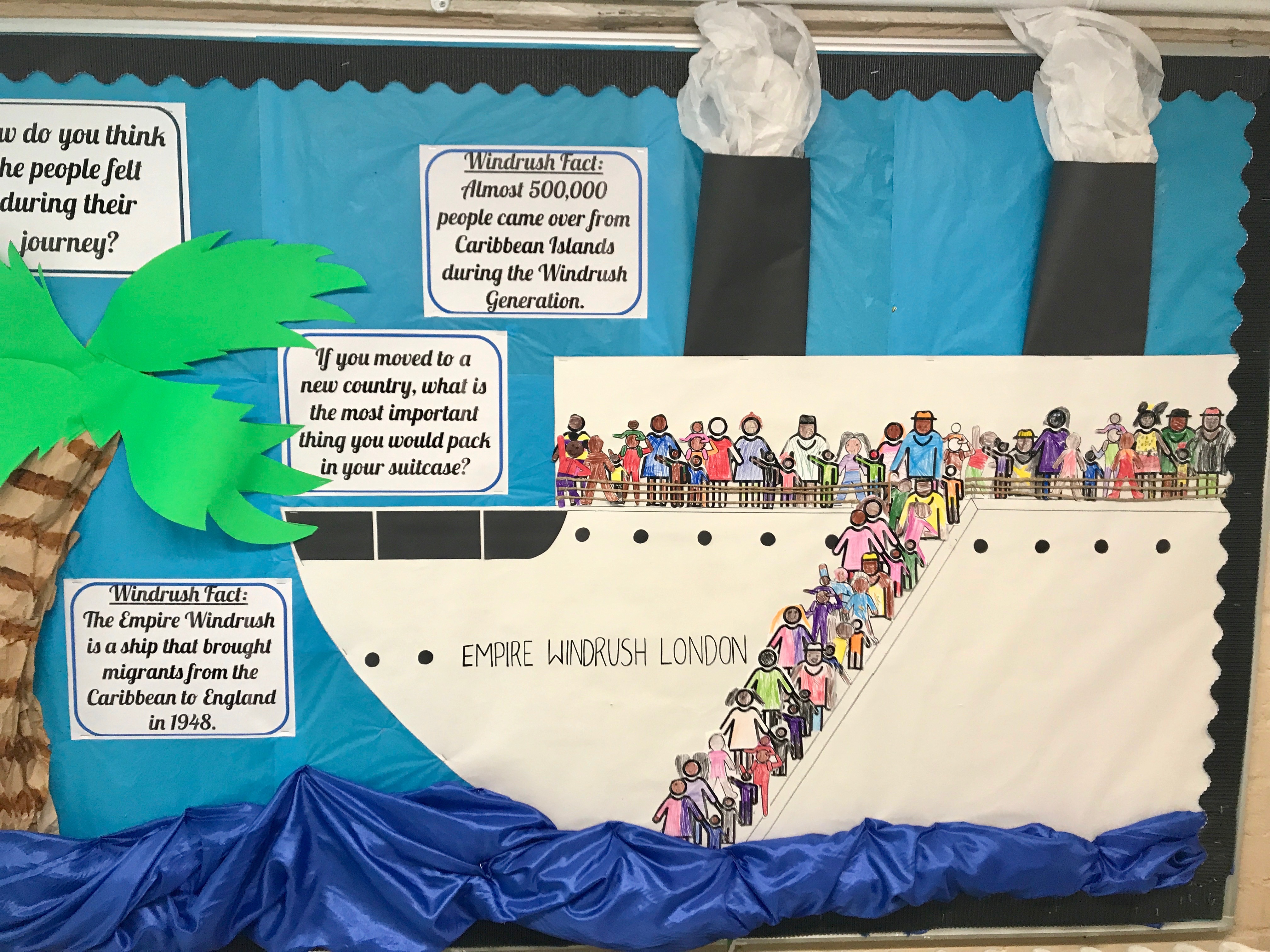
As well as films, podcasts and vegetables, the students had also created work around the Empire Windrush and the Caribbean people who arrived in London in the late 1940s.

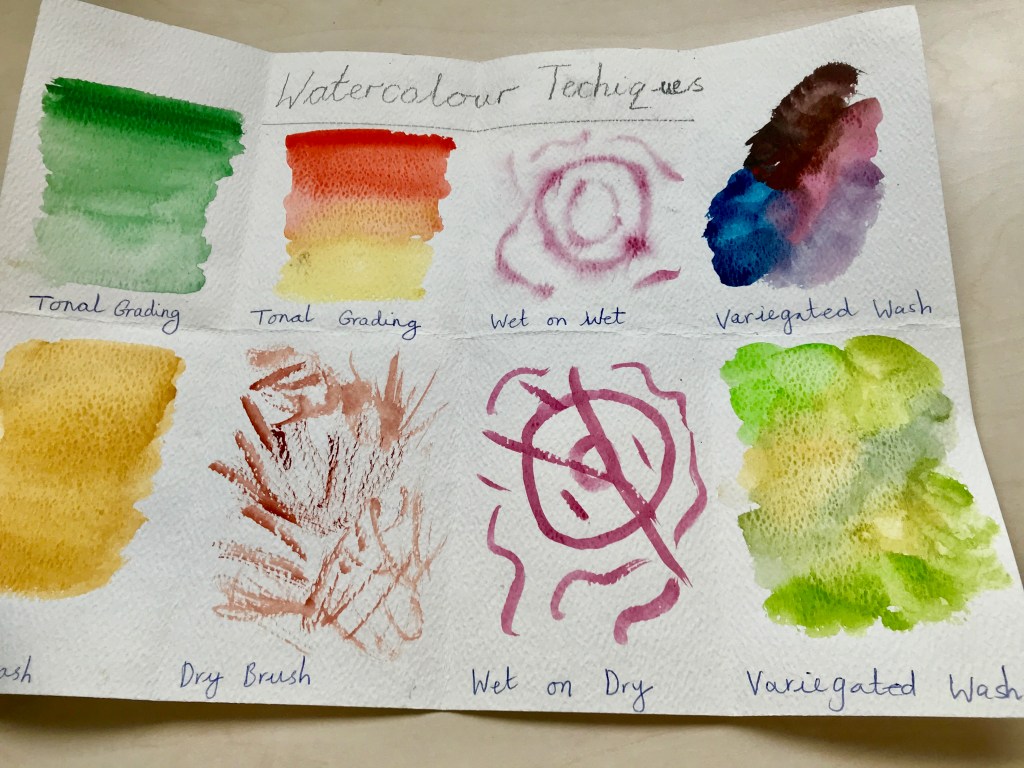
The students showed us some of their recent watercolour pieces and spoke about how much they enjoyed creating the different techniques with the brushes.

Trust us. There are many more creative and artistic things going on at Greenside, too many to mention here. You’ll have to wait for the Director’s cut!

Many thanks to Head of School Robin Yeats, co-arts lead Ciara Finney, ICT lead and Class 4 teacher James Tilden and all of the Year 4, 5 and 6 students who shared their insights on their inspiring and innovative school. May the force be with you!

You may also be interested in reading our recently-published Art, Craft and Design Rapid Evidence Review – a survey of published scholarly literature on art, craft and design in education.

Queen’s Park: How the Arts are inspiring Primary students in Brighton

With so many creative projects, events and institutions in Brighton, it was great to hear how Queen’s Park Primary were involved in the local arts scene. More later. Firstly, let’s hear from the students and staff about the arts they do in school.

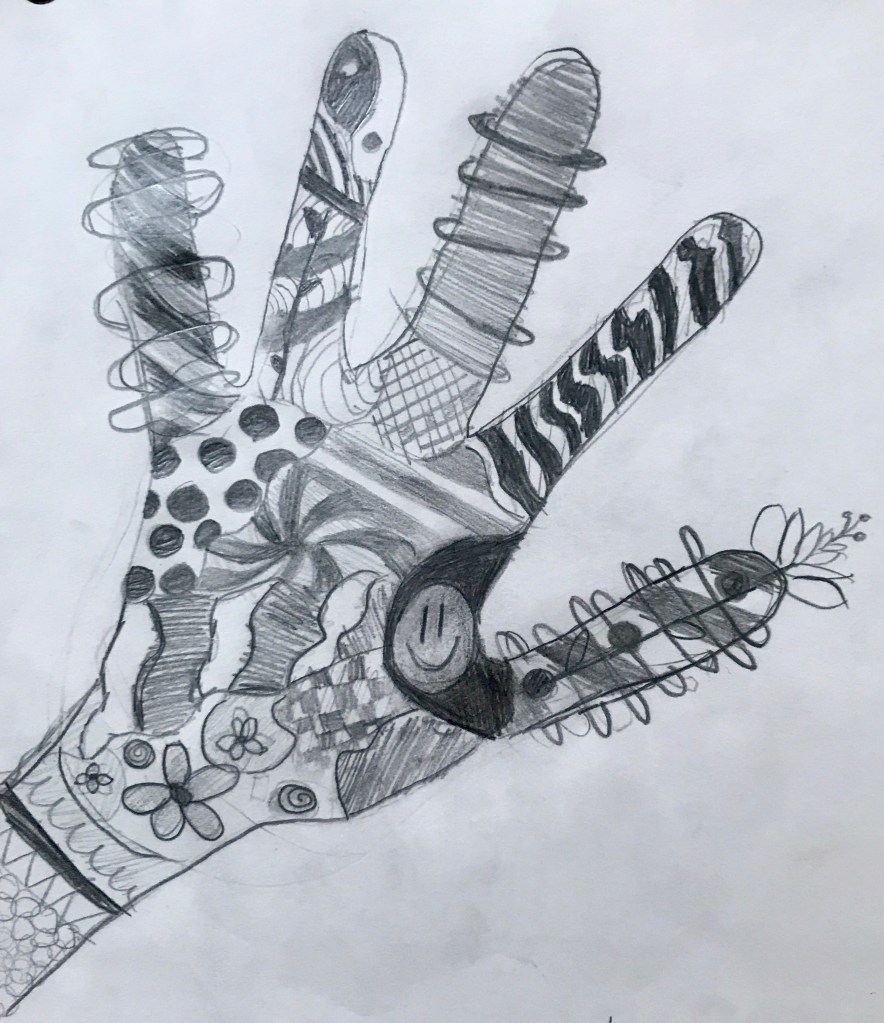
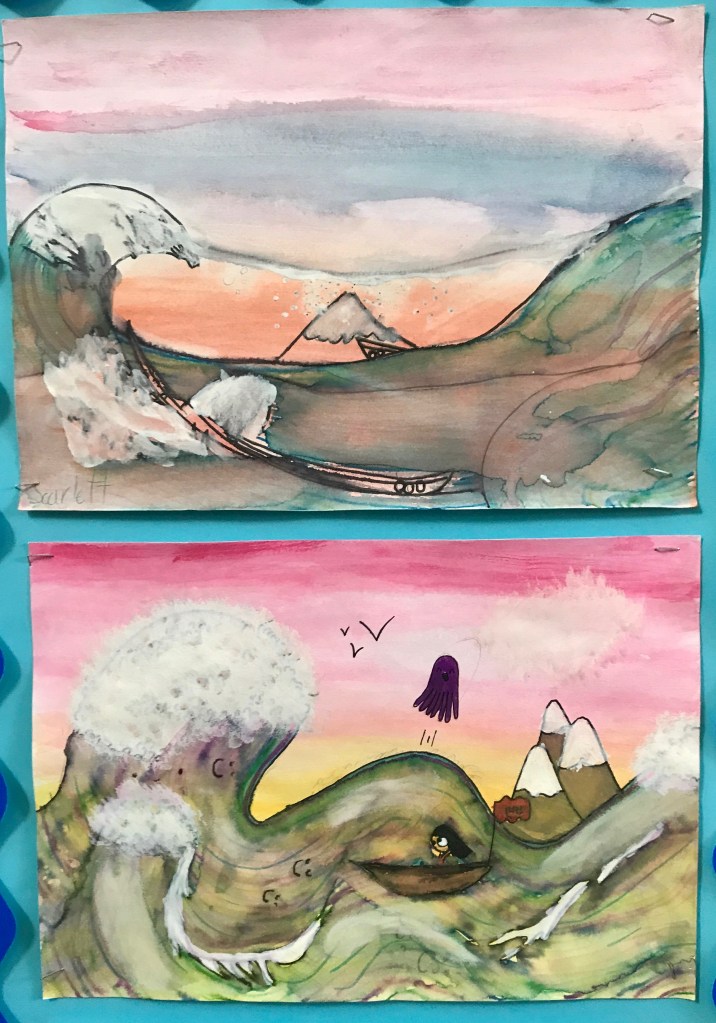
The groups of Key Stage 2 students, Arts Councillors and Arts Ambassadors told us all about building models of Anderson Shelters, creating work in the style of British artist Sonia Boyce, working on their ‘big wave’ pictures, decorating their ceramic tiles, and working with pencils on their hand drawings.

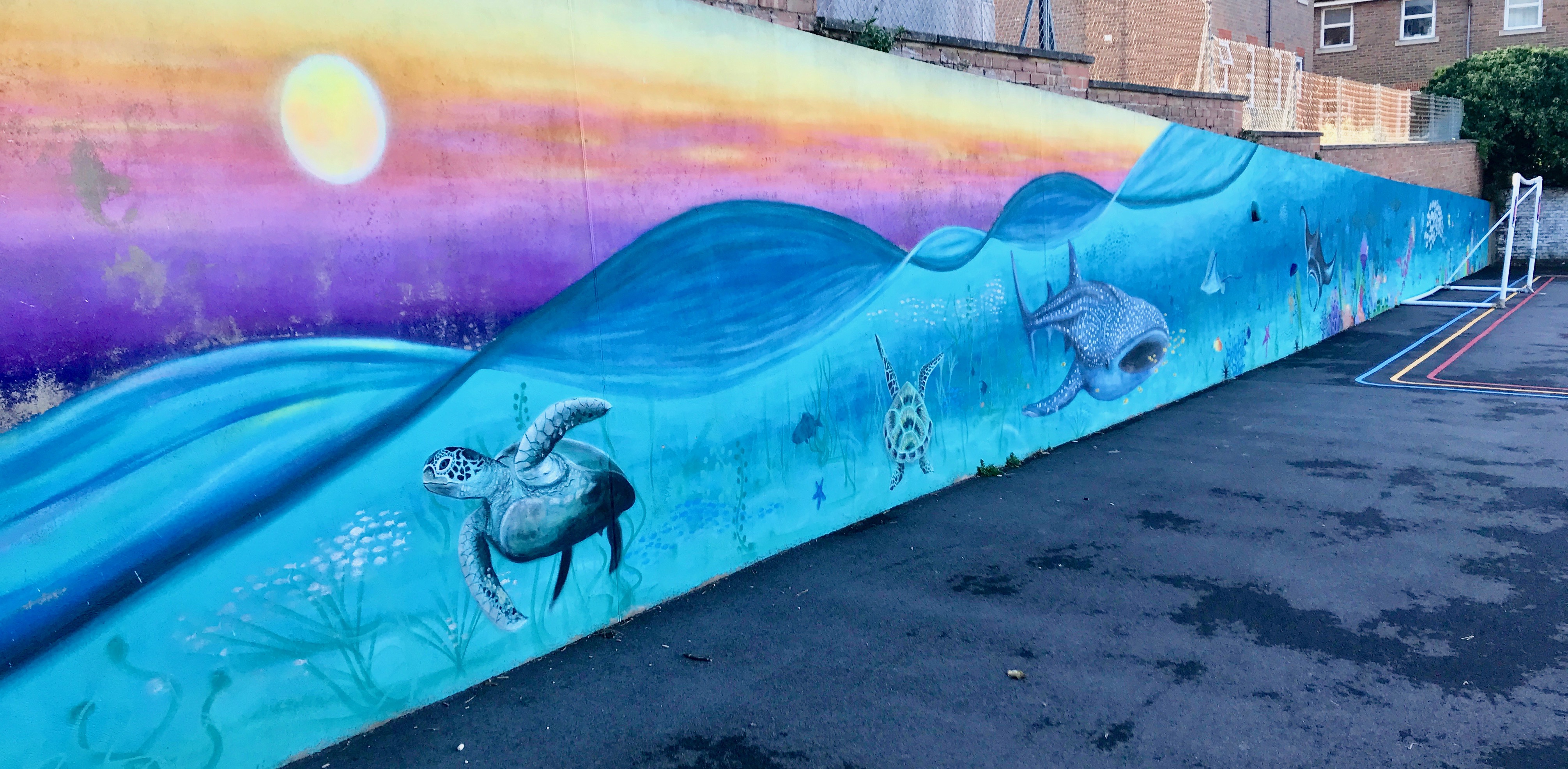
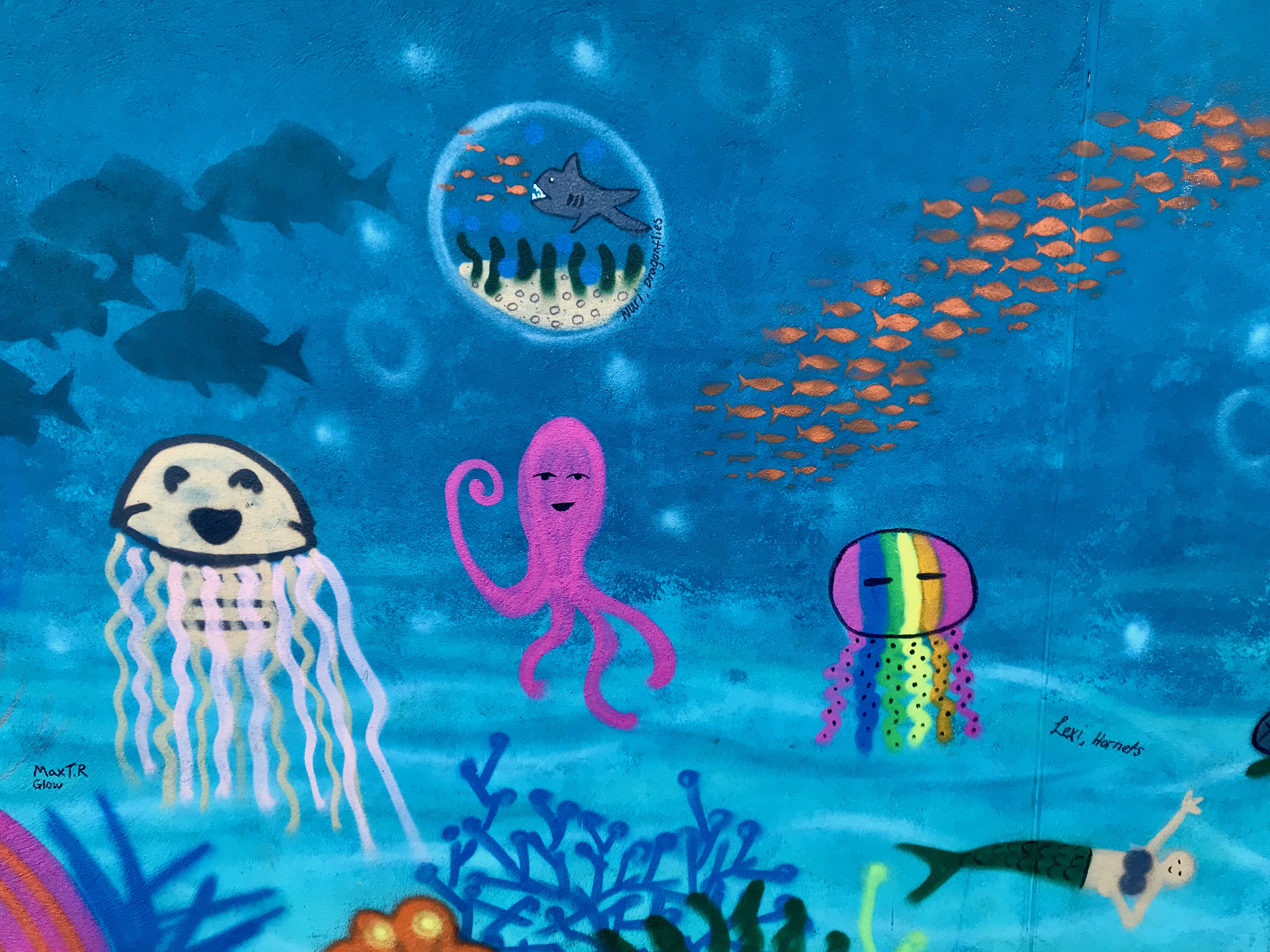
Some of the students had contributed to this colourful sea-themed mural that spanned one side of the playground:

Head teacher Anne Cox explained the value of a creative arts-rich curriculum:

‘The children are confident, articulate and know their abilities, but want to try things and explore things. They think through the arts’. 

One of the Year 6 students gave us an example: 

‘I let my imagination go onto the paper, so now I can finally see it better than I did in my mind’.

Queen’s Park are a Creativity and Arts Champion school. You can read more about how this Artsmark scheme builds their creativity and helps link their arts to the wider communities.

Year 4s were enjoying their Project Based Learning (PBL), a recent change that will be expanded to other year groups. Anne explained that PBL, creativity and the arts can inspire and engage students which can impact on their maths, English and other subjects.

Arts lead Mhari Smith (BA in Fine Arts and Sculpture, worked as a puppet maker and puppeteer for six years in London) told us about the role of the Arts Ambassadors (one in each class across the school) in raising the profile and skill levels of the arts. The students get trained up by staff on specific techniques or artists. Then they cascade what they learn to their classmates and teachers, as well as staff and Heads from other schools.

Year 1 had been looking at the work of Brazilian-born Beatriz Milhazes:

Year 2 had created some vibrant work around the book ‘Ziraffa’ about a real-life giraffe who toured the world in the 1800s:

Year 3s had been inspired by the colourful playful work of another Brazilian, Romero Britto

KS1 students had been getting abstract in the style of Turkish artist Fahrelnissa Zeid:

Fahrelnissa Zeid art

… and also in their studies of Guyana-born British artist Frank Bowling who has created a famous painting ‘about’ Brighton.

Frank Bowling art

Headteacher Anne Cox, Mhari, Music lead Gabi Buxton and the students gave us a fantastic insight into the events and organisation that help focus and inspire the arts in the school.

The children were especially excited about Let’s Dance – a week-long event where 78 schools, colleges, universities and dance groups get to ‘Dance at The Dome’.

Students were also involved with the Children’s Parade where 5000 local children make banners and figures, and march them through the streets as part of the Brighton Festival.

We learned about Let’s Play, a link-up with the National Theatre in London through The Primary Programme. Mhari told us how Years 1 and 5 had a tour of the theatre and got to learn about the lighting and staging. They made props and scenery and then performed on the stage in front of their families. She explained how she could ‘really see some of them grow and mature’ by ‘being leaders, working together, being innovative and making decisions’. The school are also working with the Theatre Royal in Brighton. Year 5 were rehearsing hard to perform The Snow Queen there.

Gabi talked us through the school’s 15-year partnership with the Brighton Early Music Festival through which the students take part in concerts and participate in workshops in the school. Students enthused about the sessions they had been doing with djembes, ukuleles and a range of instruments through the Soundmakersprovision as part of the Brighton and Hove Music Service. As the singing lead, Gabi told us about the challenges of working with school choirs and classes over the past two years.

On a cold day full of sunshine and snow showers, it warmed our hearts to see the students getting excited about a ‘secret song’ they were learning for a special person at the school (!), and to hear bursts of the songs for the Queen’s Jubilee celebrations. 

The future of the world is in this school

Many thanks to Headteacher Anne Cox, Art lead Mhari Smith, Music lead Gabi Buxton and to all of the students we spoke with at Queen’s Park.

You may also be interested in reading our recently-published Art, Craft and Design Rapid Evidence Review – a survey of published scholarly literature on art, craft and design in education.

Somerleyton: Small school. Big on the Arts

Somerleyton Primary is in the village of the same name about four miles inland from Lowestoft in Suffolk on the edge of the Norfolk Broads. Despite being the smallest school in our project (60 students), they punch well above their weight when it comes to the Arts and DT.

In the context of our project, Somerleyton are unique in other ways. Like many other houses in this ‘model village’, the school has a thatched roof. And they use the village green as their playing field for PE and other activities.

Before we got to talk with headteacher Oli Clifford, arts lead Victoria Speed-Andrews, teacher Lily Foster and the students, we watched a pre-school street dance lesson. While the session was led by a dancer who rotated around the other schools in the MAT, we found out later that arts lead Victoria Speed-Andrews had a degree from the Royal Academy of Dance on the art and teaching of classical ballet and had worked as a dance teacher for about six years before returning to university to qualify as a primary school teacher. Needless to say, the lively street dance set us up for a day of hearing, watching and learning about the performing arts, Somerleyton’s specialist area. 

We heard about how students had recently performed in front of five hundred or so people at Snape Maltings, an internationally renowned concert hall with which Somerleyton has an ongoing relationship. In previous projects, the students were singing alongside the National Youth Choir for Scotland and the Choir for Cornwall. They had built their performance skills (‘They’re unfazed by that scale of audience or that scale of venue’: Victoria) through the extensive music provision at the school. 

Listen to the orchestra below:

Orchestra rehearsal – The Pink Panther

It was a treat to sit in the middle of the school orchestra as they rehearsed. Half of the students in the school were participating (nearly 30 students) – on flutes, saxophones, clarinets, and glockenspiels. The instruments and teaching are provided by the Suffolk Music Service. Year 6 had built their flute skills through daily ten-minute practice sessions during term one of Year 3 and were now able to read from the scores of the Star Wars theme and a swung jazz piece that we heard.

Victoria told us about the many benefits the students derived from the music sessions: ‘There is a lot of collaboration and teamwork that gets developed through just the orchestra alone … they develop their ability to listen to others. You can’t work on your own. You’ve got to be empathetic’. 

The school are keen to make high quality music tuition accessible to every student. We learned how the children don’t pay for their music lessons or instrument hire. The service is part-funded by PTFA funds through a big annual fete on the village green. The teachers told us how they had fond memories of attending the event when they were children. Somerleyton students are preparing for their appearance at the fete this year – we were thrilled to hear that they were going to sing ‘Village Green Preservation Society’, a Kinks’ song that wistfully captures the idyllic picture postcard setting of duck ponds, thatched cottages and old oak trees in which the school is set. 

The cottages on the green and many in the village are in fact former workers’ cottages for Somerleyton Hall and the Estate. It was fascinating to hear how two of the students had family members who were ex-blacksmiths who still had their forges, bellows and anvils at home. One girl talked to us about making a sword (‘quench it in strong coffee to give it a dark and old fashioned texture’), another about making jewellery with her blacksmith dad. 

With only around ten new students each year, Somerleyton combine year groups; Years 3 and 4 form a single class of around 15 students, Years 5 and 6 combine in a class of 19. Demand is high for the school’s arts-rich offer.

Victoria explained how: ‘because of the region that we’re in, predominantly white, middle class and rural, it’s important for students to have a broad diet and to expose them to other cultures and other people’s opinions. The art and the music are ways in which we can deliver that those experiences for them’.

Years 3 and 4 had just starting a unit on Surrealism (‘it’s really cool because there’s endless possibilities’: Year 4 student). Their studies of Jazz music had expanded to look at Black artists who challenged racial stereotypes. Art teacher Naomi and the team were consciously focussing on diversifying the artists and art movements that the students studied.

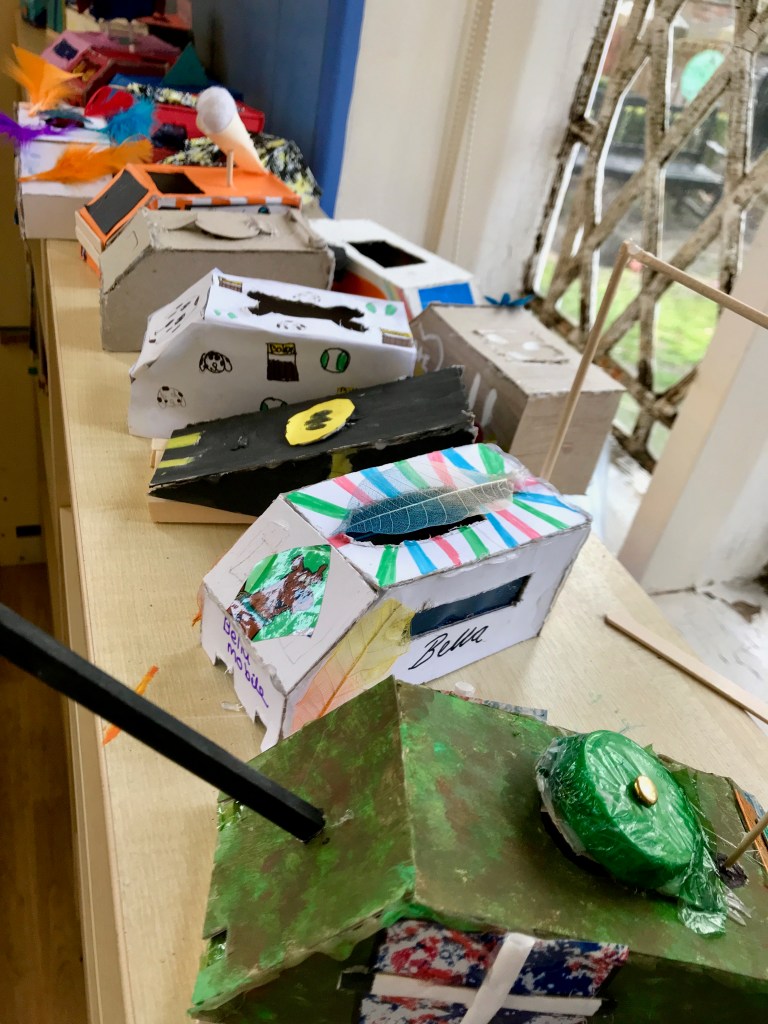
As well as the visual arts and DT work that we saw (including the electric powered light-up cars below), the school had links with the Marina Theatre in Lowestoft where they had been involved in a dance festival, and a playwriting competition where the children had their plays brought to life by a team of professional actors. 

The school also work with the Benjamin Britten Pears charity. They have recently produced a fabulous video of their virtual choir performance of ‘Movement’ from EVERYTHING by Russell Hepplewhite and Michael Rosen for the Britten Pears premiere.

Somerleyton are currently involved in the First Light Festival, an event in Lowestoft set up by filmmaker Danny Boyle (his Yesterday was partly filmed in Lowestoft) and fashion designer Wayne Hemingway (local boy!) hooked around a 24-hour solstice party! 

Head teacher Oli told us how creativity was very much at the heart of the school (it is one of their four core values) and how it impacts every part of the curriculum.

In this Jubilee year, Somerleyton are gearing up for extra performances on the Green, at street parties and beyond. As a tiny school that makes a big tuneful and rhythmic noise, we wish them all the best now that singing and performing to an audience are very much back on the agenda.

Listen to the choir below:

Somerleyton choir

Many thanks to Headteacher Oli Clifford, arts lead Victoria Speed-Andrews, teacher Lily Foster and the selection of Year 4, 5 and 6 students whom we spoke with on out visit to Somerleyton Primary.

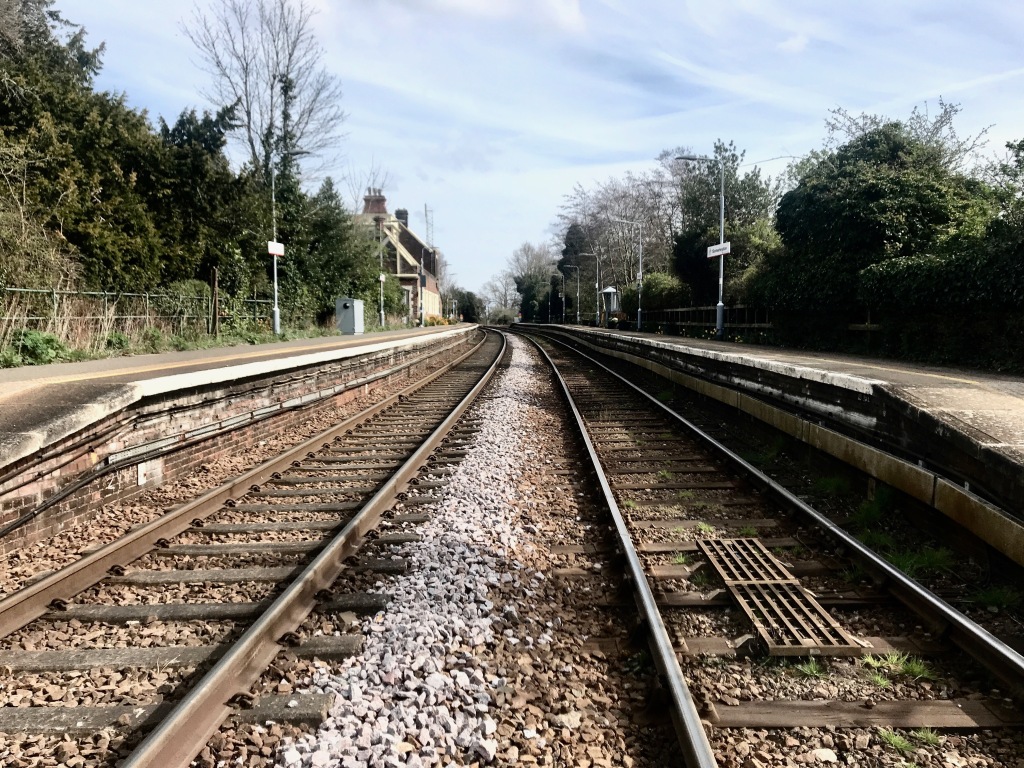
Note: If you are ever lucky enough to visit this bucolic village, bear in mind that the train only visits every two hours. We made sure we got to the station in plenty of time!

Somerleyton station
Somerleyton station

You may also be interested in reading our recently-published Art, Craft and Design Rapid Evidence Review – a survey of published scholarly literature on art, craft and design in education.
‘When there’s a high note, I just sing my heart out’: Rights, Diversity and the Performing Arts at Allens Croft Primary

Allens Croft is a Platinum Arts Mark school in King’s Heath, five miles south of the centre of Birmingham. During our visit, we spoke to students and staff to get the inside story of the many benefits the arts bring to their school.

‘Always your teachers’: The rainbow-fronted Allens Croft Primary

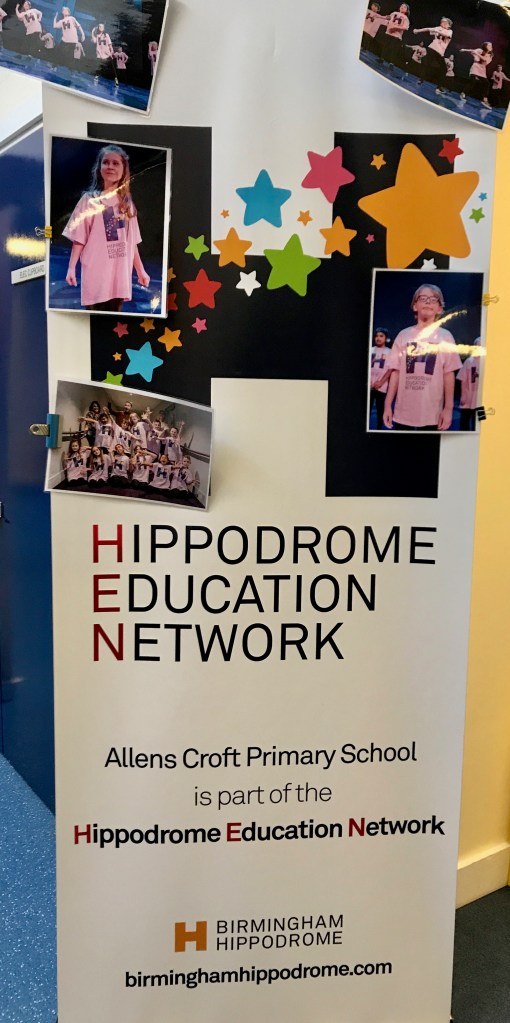
We learned how Allens Croft are specialists in the performing arts, particularly drama. Arts Lead Dan Jones spoke highly of the school’s partnership with The Hippodrome, an iconic late 19th Century theatre in the city centre. As well as having a Hippodrome learning officer in the school for one day a week, Dan and the students told us about the plays and musicals they had performed at the theatre. As part of their partnership, the school also gets to see many professional productions. 

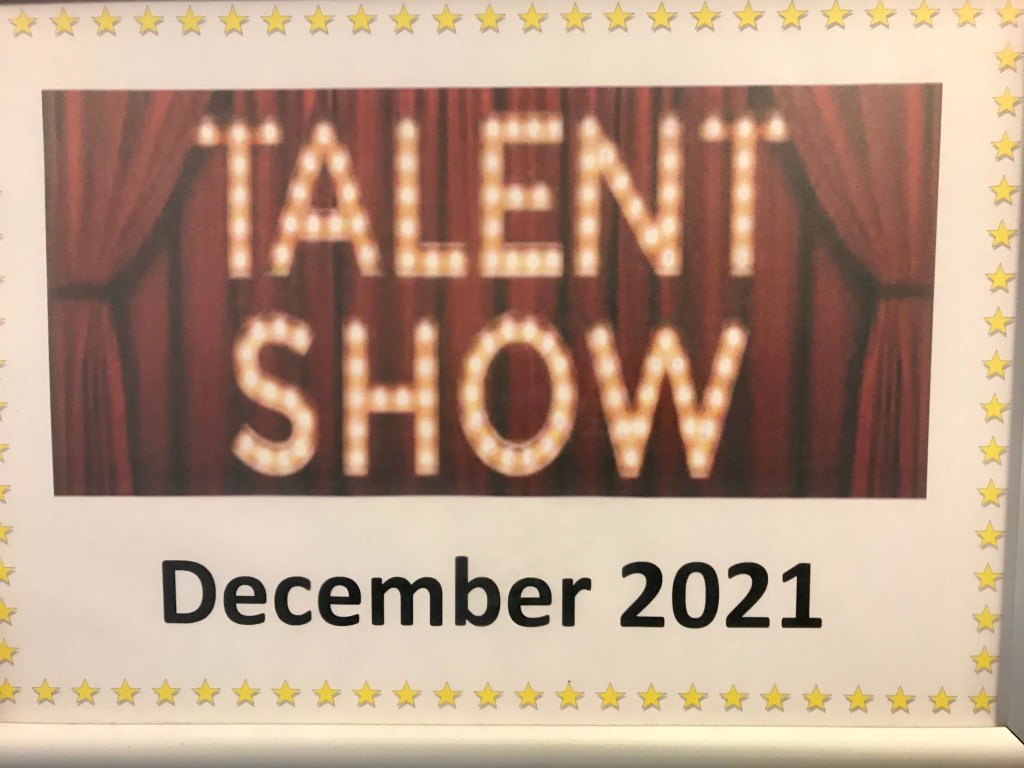
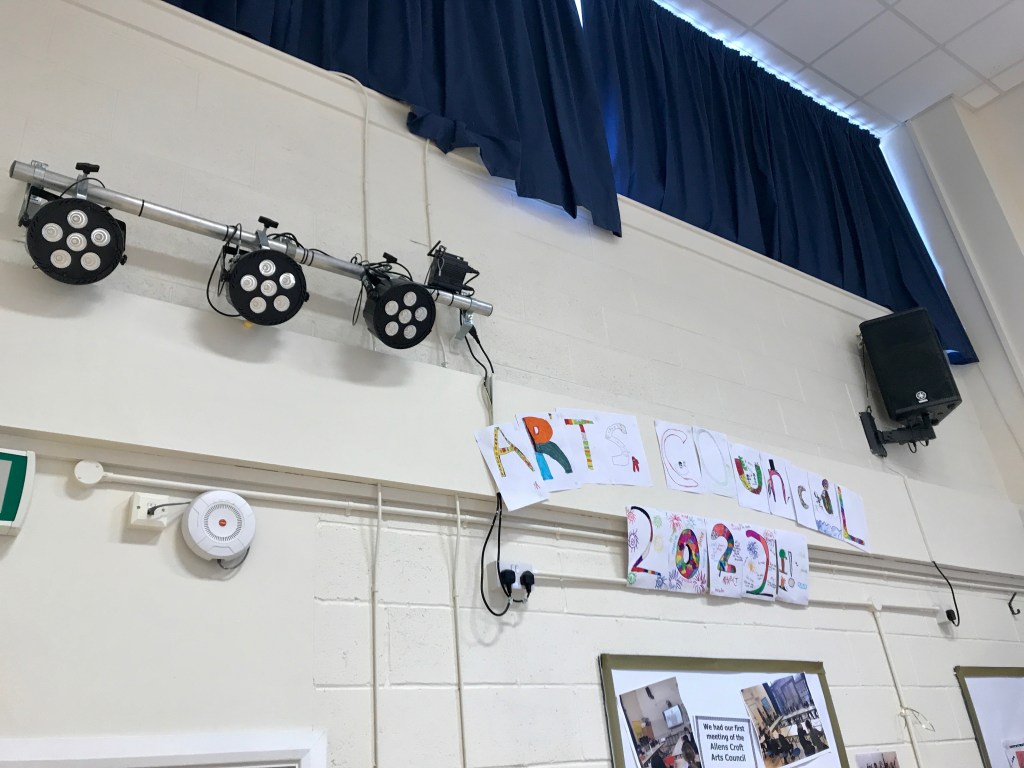
Students told us about how much they love playing steel pans, ukuleles and other instruments in their music lessons. They were enthusiastic about the regular ‘X Factor’-style Talent Shows. The professional lighting and sound equipment in the Hall was evidence to how serious the school took these competitions.

We spoke with the boy who had won the previous year’s talent show as a rapper. This led to a discussion about whether rapping, DJing and making music on a computer should be taught in primary schools. We spoke with students who did all of these things at home, sometimes with a parent or family member. One student suggested that stand-up comedy should also be on the timetable. We wondered whether this has happened in other schools. There’s a first time for everything!

The school are also partnered with the Shakespeare Birthplace Trust, the Birmingham-based Linden Dance CompanyNew Wave Arts/Birmingham Music Service, and The Play House (Theatre in Education) company.

Allens Croft also have links with BCMG (Birmingham Contemporary Music Group) with whom they are involved in a research project. We also learned about the students’ visits to the Brandwood Centre, a local community centre where they help out with the art club, and sing. They also visit Pineapple Place, a residential home for older adults where they sing at Christmas time. 

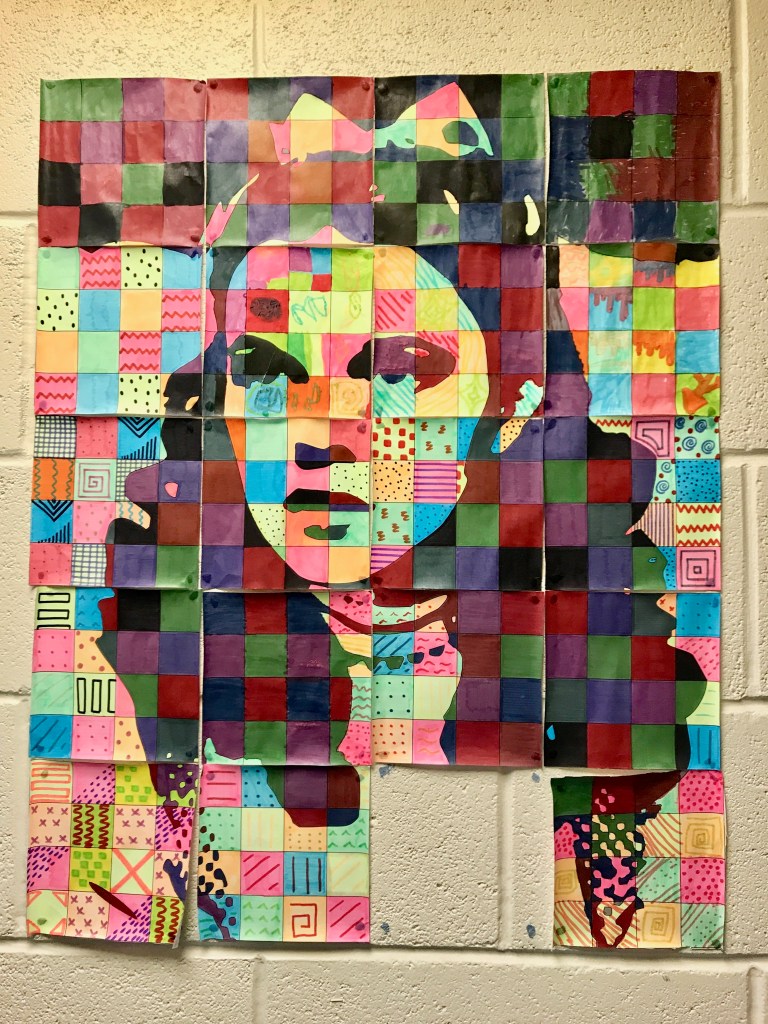
Dan talked about his five-year journey to achieve the Platinum Arts Mark and described the process as extremely valuable in raising the standards of the arts in the school. With a Master’s in Work Based Learning (Drama), Dan was clear about the ways that the arts benefitted his students; an alternative place to be successful, especially for those that struggle to engage with the more academic subjects; an opportunity to build language skills from Reception onwards, and; and as a focus to foster social skills (Dan’s MA dissertation was on this very subject) by mixing abilities and getting students to work with different people each time.

Dan also stressed the value of the Arts Connect network of Birmingham schools set up by Gill Sparrow, Head of Hillstone Primary (one of our RAPS schools) in east Birmingham, and the staff he had met from Billesley Primary (another school in our project), just two miles away from Allens Croft. There must be some creativity flowing through the canals of Birmingham!

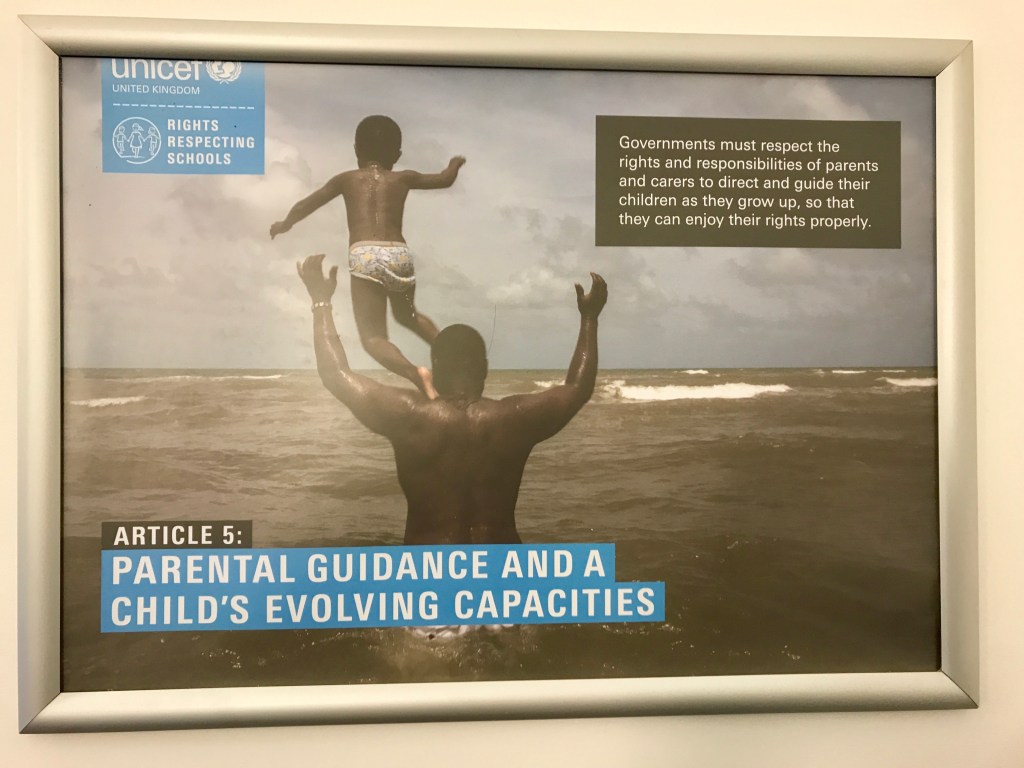
From the front of the school, it’s clear that Allens Croft take diversity and inclusion seriously. The giant rainbow is a symbol of the extensive work they do on issues around race, LGBTQ+ (through Educate and Celebrate – a charity that supports schools to talk about homophobia and LGBTQ+ issues), and domestic abuse (through Operation Encompass). Like other schools we have visited, Allens Croft is a UNICEF Rights Respecting School

Headteacher Paula Weaver (first Degree in Furniture Design, former secondary DT teacher) told us how diversity, inclusion, the respect of rights and a focus on oracy were hard-wired into the school’s mission to produce students who can ‘regulate their emotions … know how to interact with people … [and] celebrate difference’. Paula explained how the school are ‘really good at managing anxieties and trauma’ and how that has attracted a high proportion of special needs children.
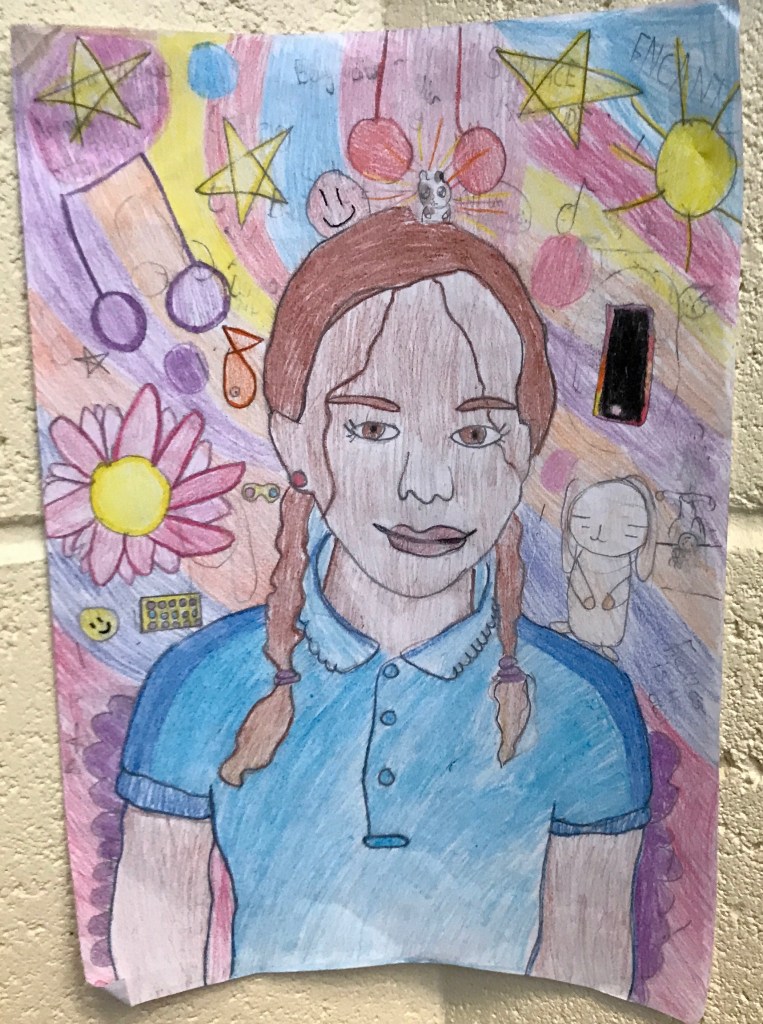
We enjoyed talking to three such students – the animated Arts Ambassadors in The Turtles. The quote in the title of this blog post comes from one of them. As well as telling us about some of their art works and projects, and showing us some work in progress, they sang us a sea shanty. However, despite talking excitedly about Disney’s Encanto, they did not want to talk about Bruno!
While Paula mentioned that the arts at Allens Croft were ‘seriously embedded’, Dan (‘every school should have a Dan’: Paula) has plans to develop the visual arts in the ‘constantly evolving’ curriculum and continue to support students’ wellbeing and social skills through the arts after the disruptions of Covid.

We wish all the best to Headteacher Paula Weaver, Arts Lead Dan Jones, and all of the Year 4, 5 and 6 students who we spoke with on our visit, not forgetting The Turtles! Thanks for inviting us into your arts-rich school to learn about your great work.

You may also be interested in reading our recently-published Art, Craft and Design Rapid Evidence Review – a survey of published scholarly literature on art, craft and design in education.