School 21: Community, Openness and Humanity in Primary Arts

Arts-rich primary schools come in many shapes and sizes. The forty schools on our list were chosen to reflect this diversity. As well as ensuring a spread across the country that takes in urban, suburban, seaside, and rural schools, we deliberately selected different types of primary school.
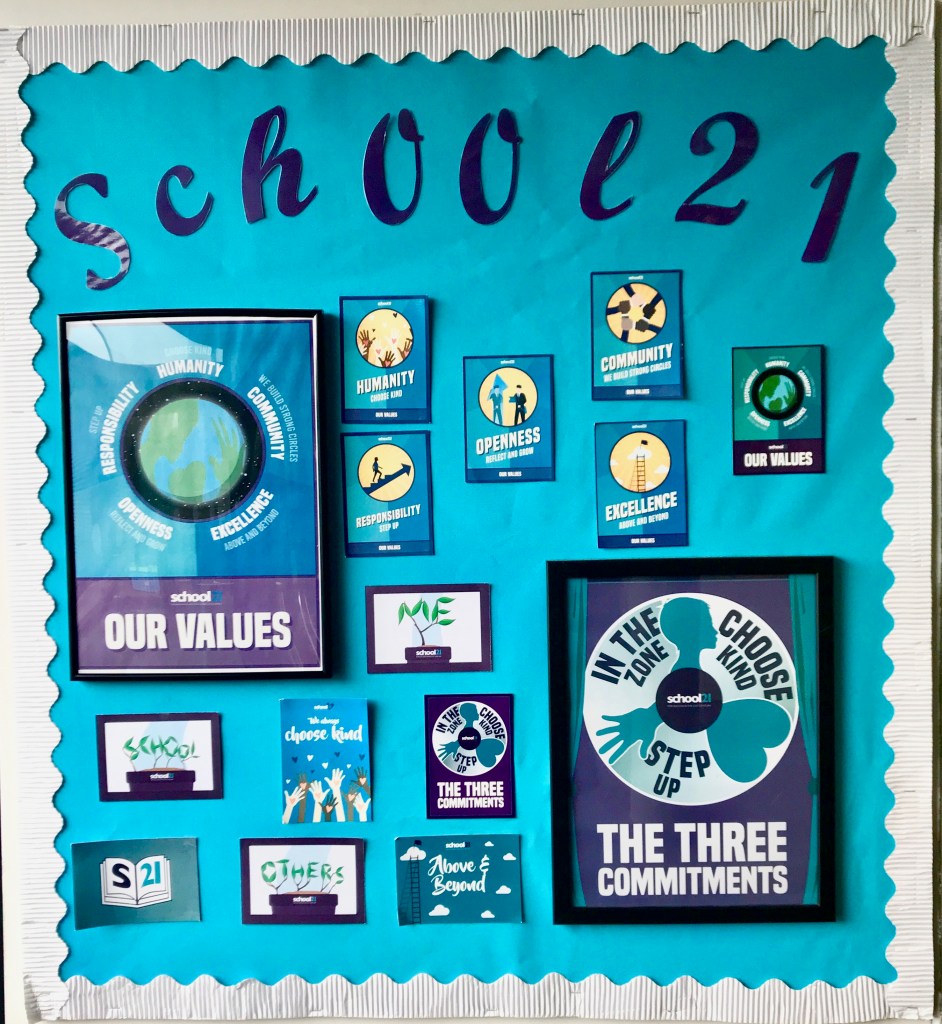
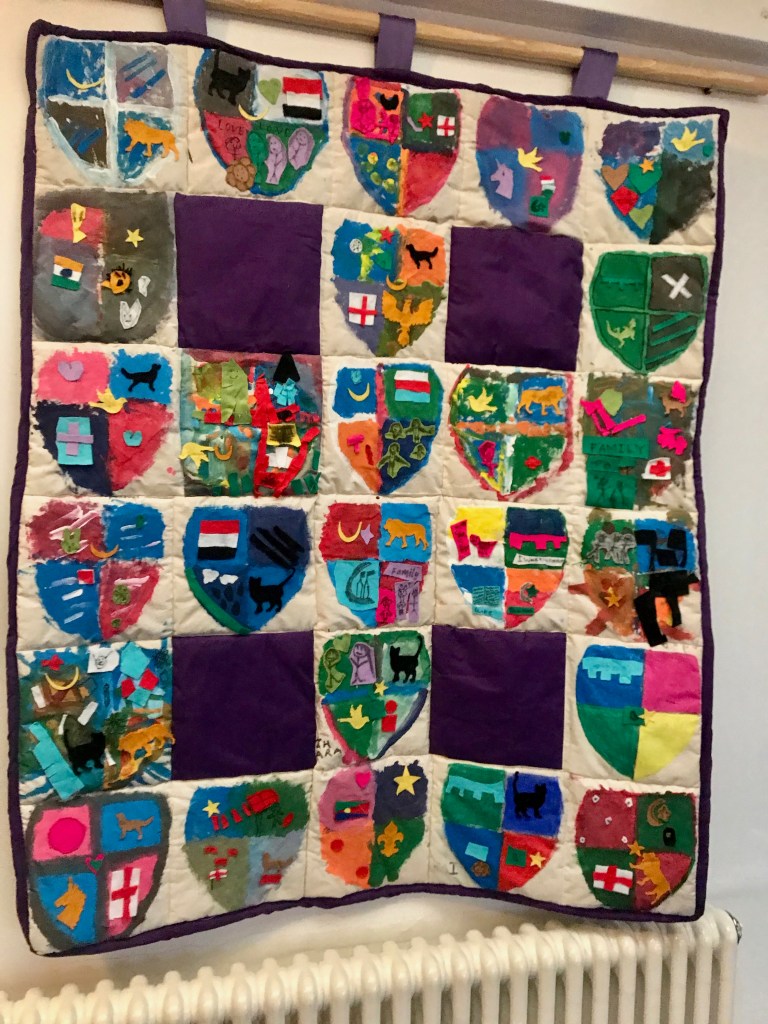
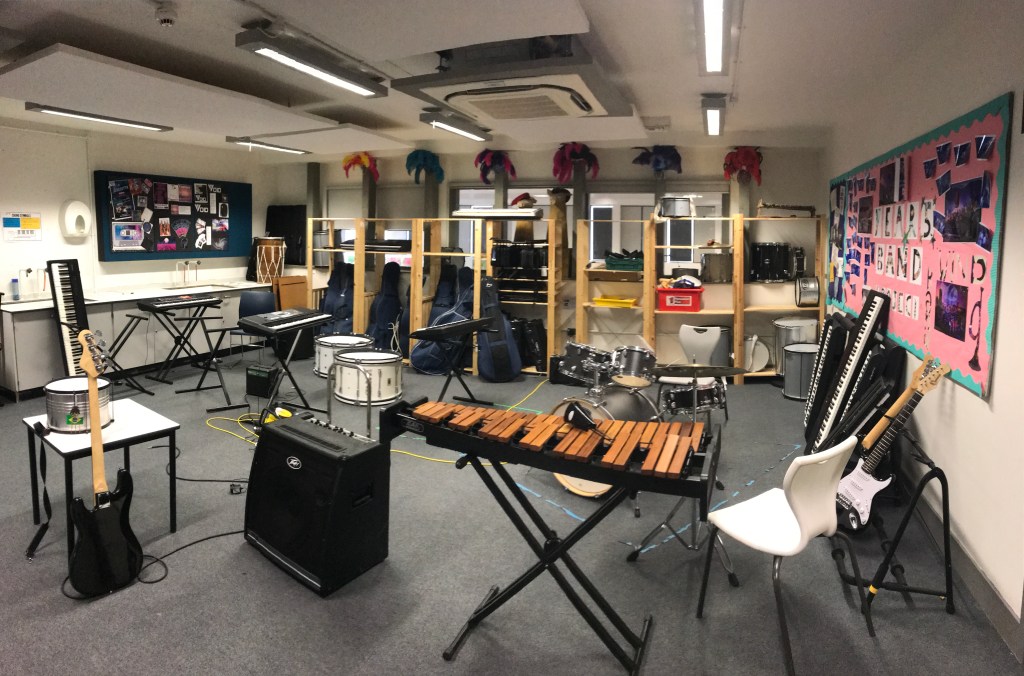
School 21 is an all-through 4-to-18 years, three-form entry Free school in Stratford, East London. For them, Primary is Reception to Year 4. With Primary, Middle and Sixth form all in the same building, spaces and resources for their Primary arts are often shared with the older students. For example, Primary children had access to some of these amazing music spaces and resources.
Our guided tour was led by Primary Arts Lead Simon Santhanam. Simon is a trained Primary teacher with a specialism in art. We observed Simon teaching a class in the school’s large, light and open art room.
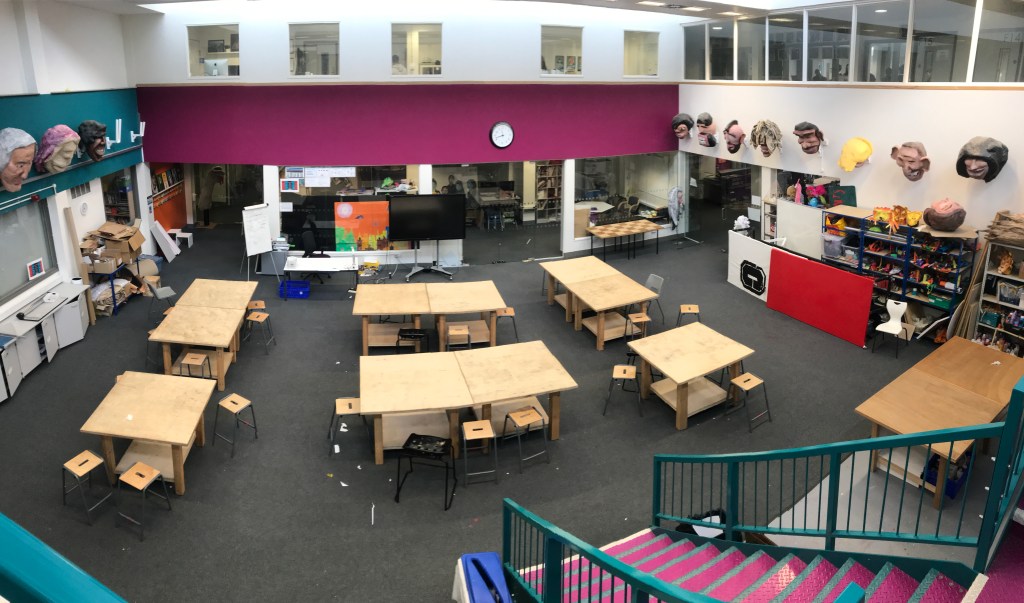
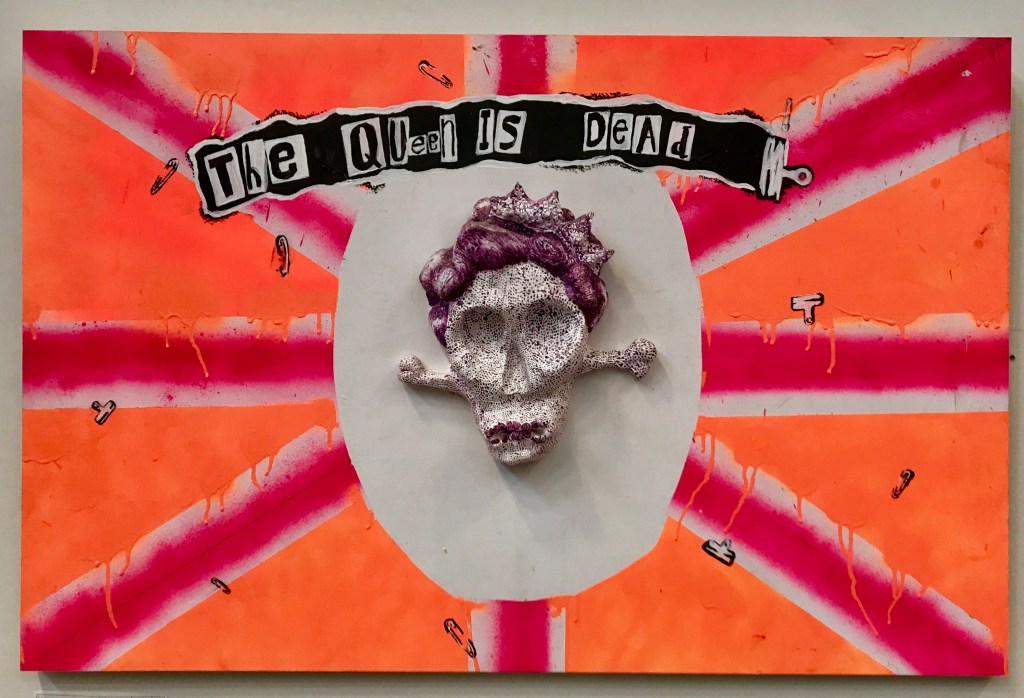
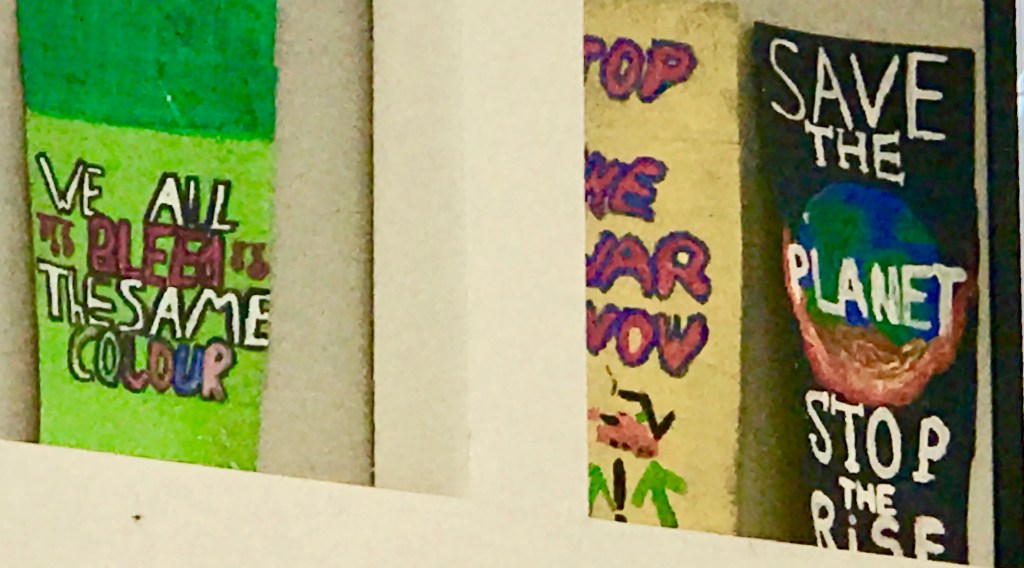
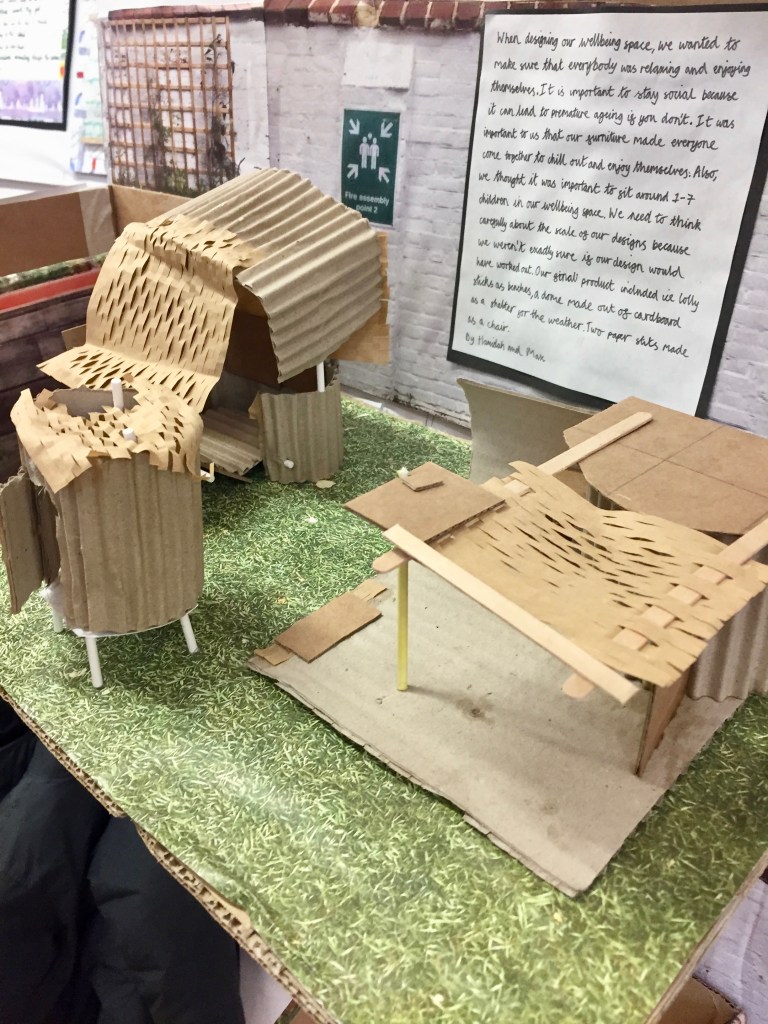
We got a good sense of School 21’s progressive approach to the arts from the art works displayed on the walls and shelves of the art room. Most noticeable were the giant papier-mâché heads of world leaders and political figures. There were also some posters and banners, all part of a project around politics and activism, a ‘The Queen is Dead’ multi-media work, and students’ models for playground ideas.

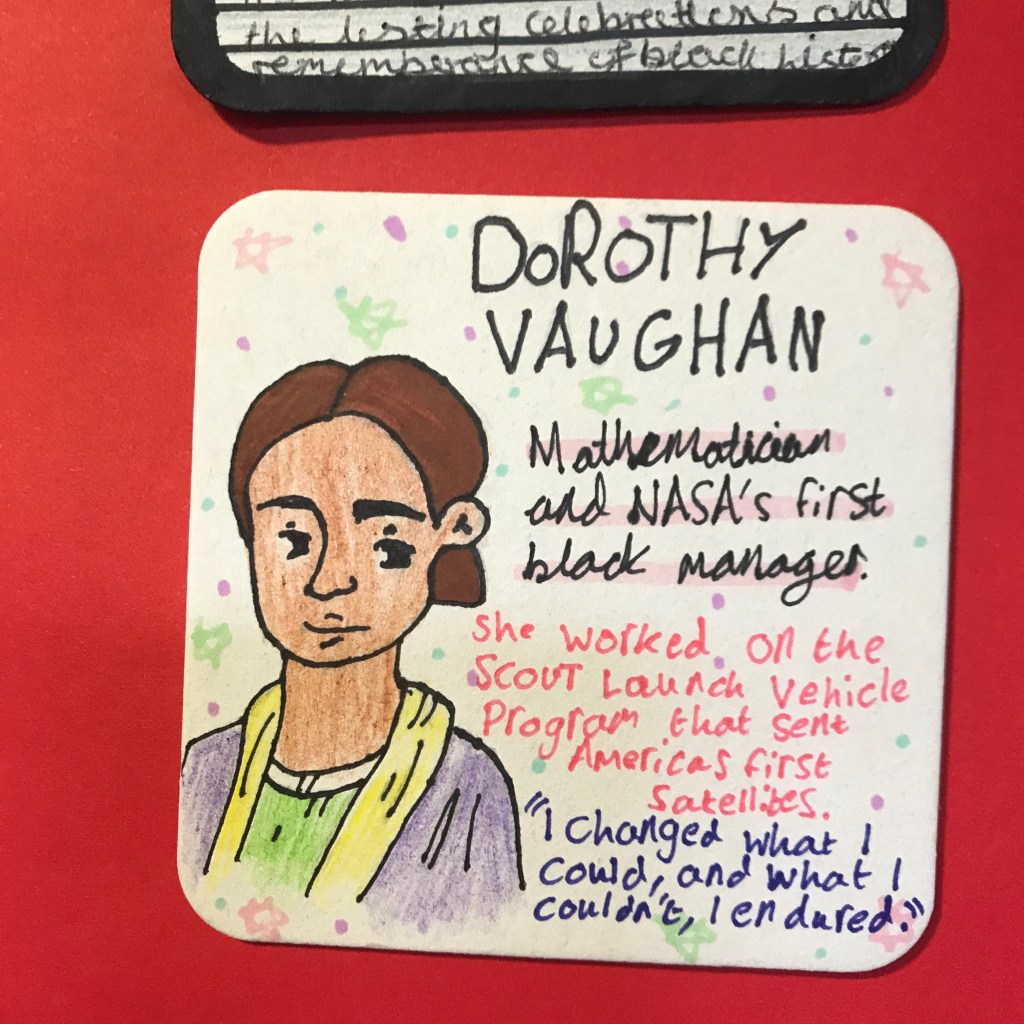
The school’s commitments to linking the arts to political and social issues was evident in the extensive work we saw around Black Lives Matter, refugees, LGBTQ+ and other issues. 

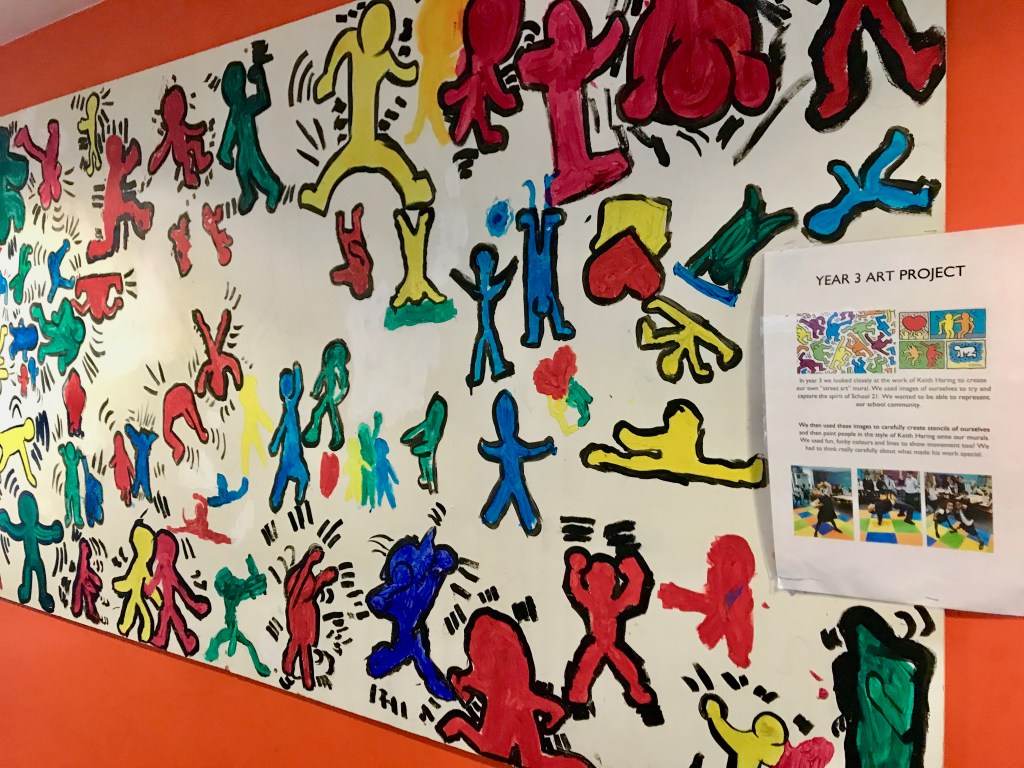
For example, in the corridors, there were two large Keith Haring-inspired murals in which each figure was based on a posed student. As part of the project, Year 3 students learned about Keith’s life, his work, and his death from Aids.

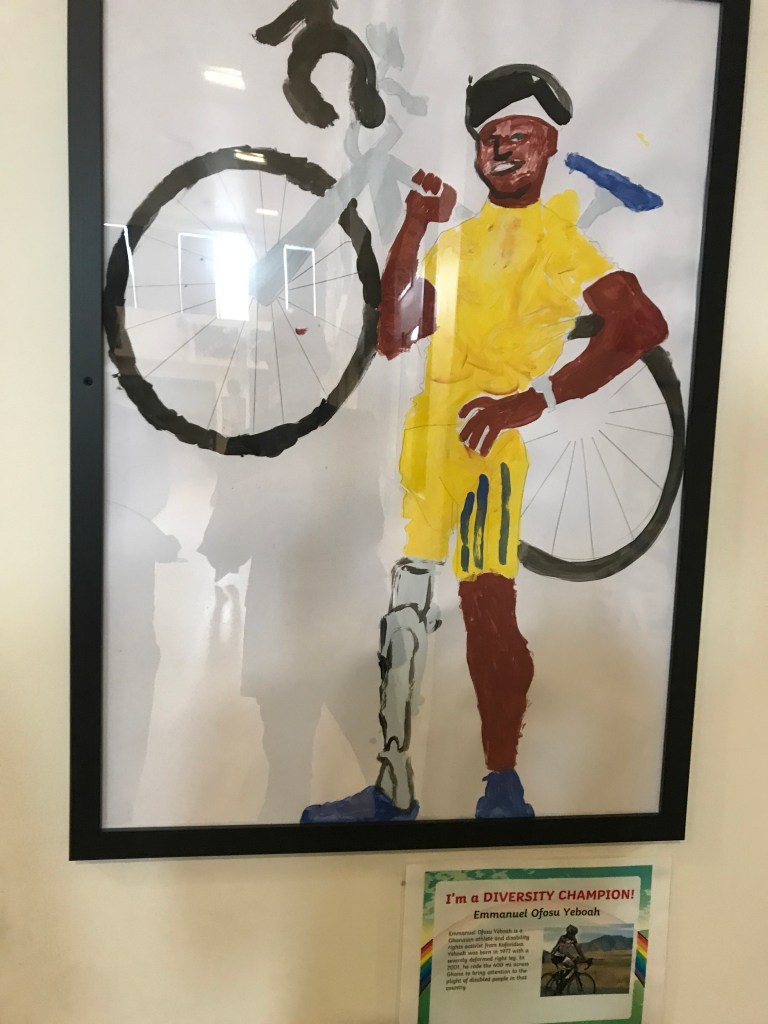
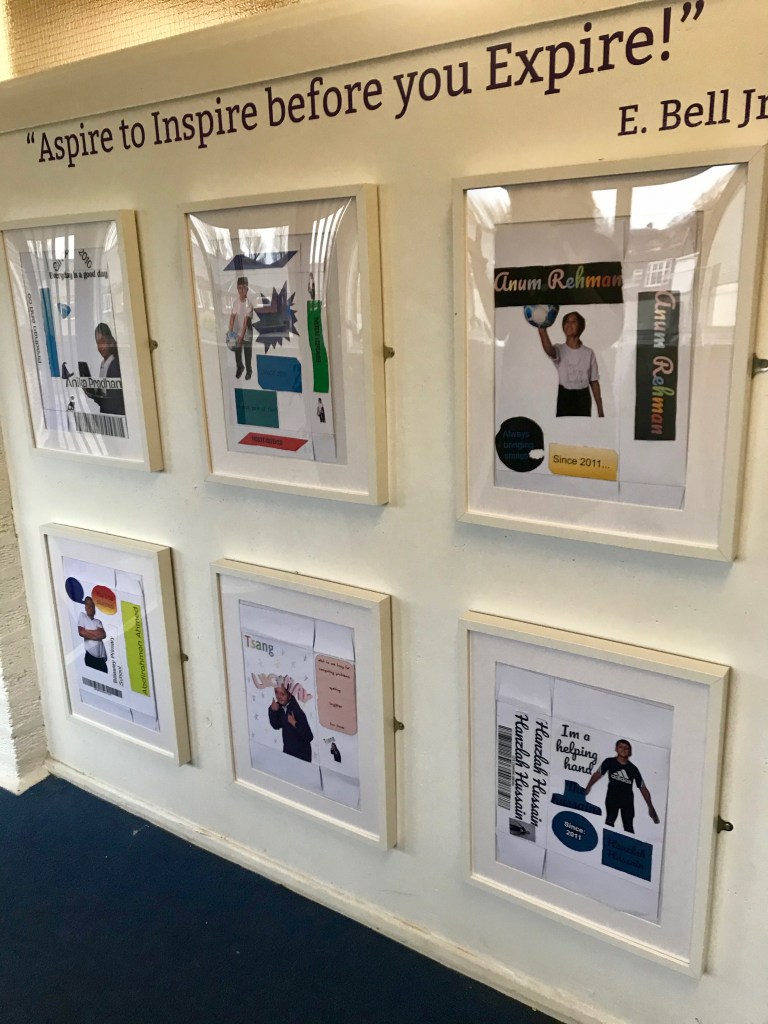
There were also a range of large, framed artworks of the school’s ‘Diversity Champions’. These two of Harvey Milk and Temple Grandin caught our eye.

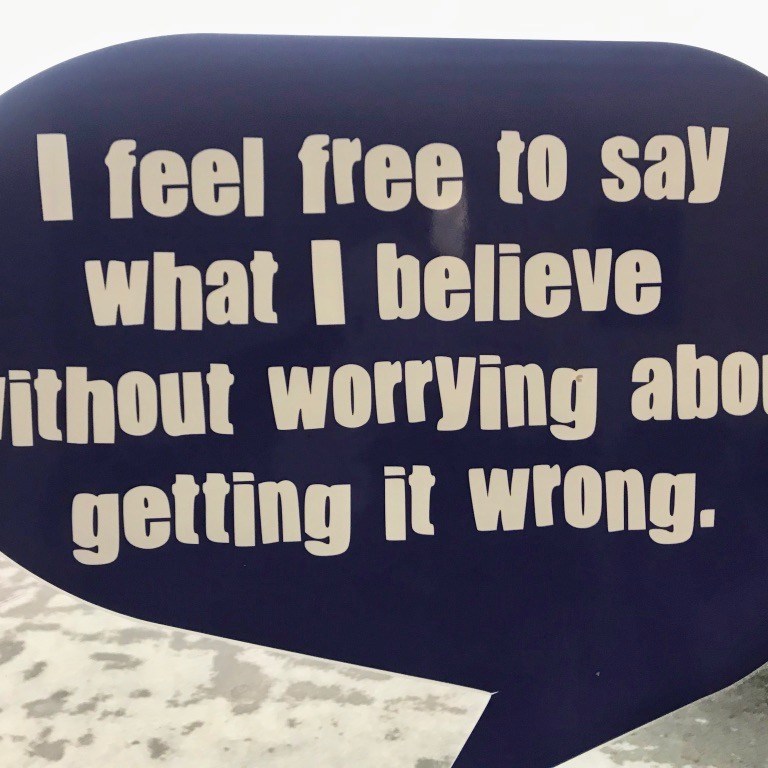
Simon and Primary Head Meg Drummond told us about how diversity was central to the way that School 21 valued the arts. Students are encouraged to find their own individual style without worrying about ideas of perfection or getting it wrong. Simon explained: ‘I really want children to feel confident in their art making and to be able to express themselves’. 

The idea of self-expression is hard wired into the school’s ‘head, hand and heart’ ethos via their project-based curriculum. Meg and Simon told us how this approach fostered a thoughtful critical approach and knowledge of arts theories (head), stimulated emotions, expression and wellbeing (heart) and built technical skills in the use of various media (hand). 
The school has specialist arts teachers as well as visits by practicing professionals and ‘passionate parents’. The Primary students also make good use of their local area. The Olympic Park is very close, as are the canals that run through this area. Students had recently visited both sites to look at ecosystems, wildlife and nature.

School 21 has strong links with the nearby Discover Children’s Story Centre, an immersive space for narrative work and storytelling.

Simon, Meg and the students told us about their visits to the Science Museum (11 miles away), the Sea Life Centre (8 miles), Mud Shoot Farm (5 miles), and Tate Modern (6 miles away). With such cultural riches nearby (all are between five and eleven miles away), we learned how these trips are sometimes the first time some students have ever been on an underground train.

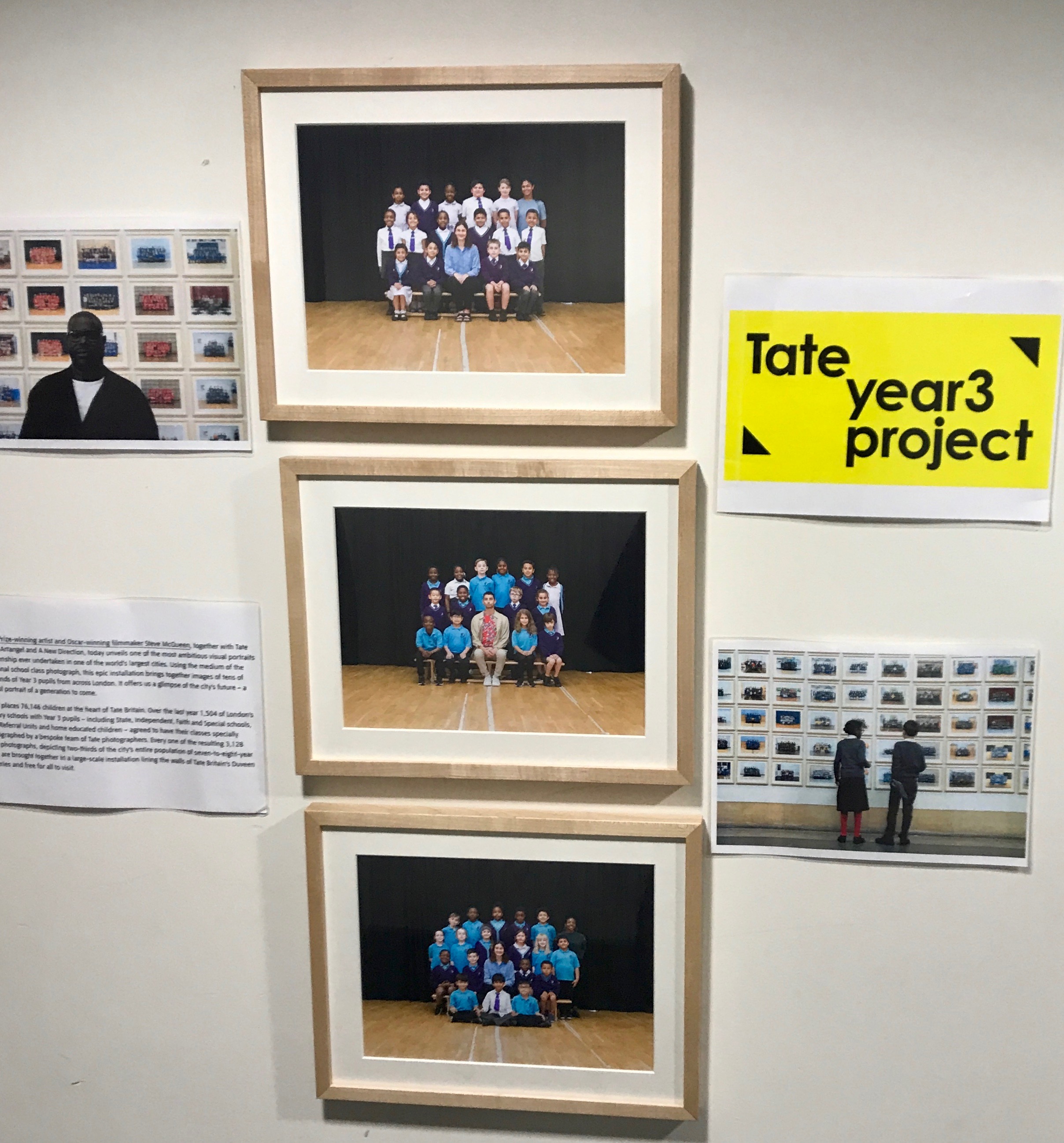
One of the school’s visits to the Tate was part of a project by high-profile artist Steve McQueen to photograph every Year 3 class in London. Not only were the photographs displayed at the school, but students and staff got to visit the resulting exhibition at the Tate.
We also learned about arts projects and regular exhibitions that brought parents, carers and families into the school to view their children’s work. The annual Big Draw festival and other arts workshops involve parents working alongside their children on collaborative art works.

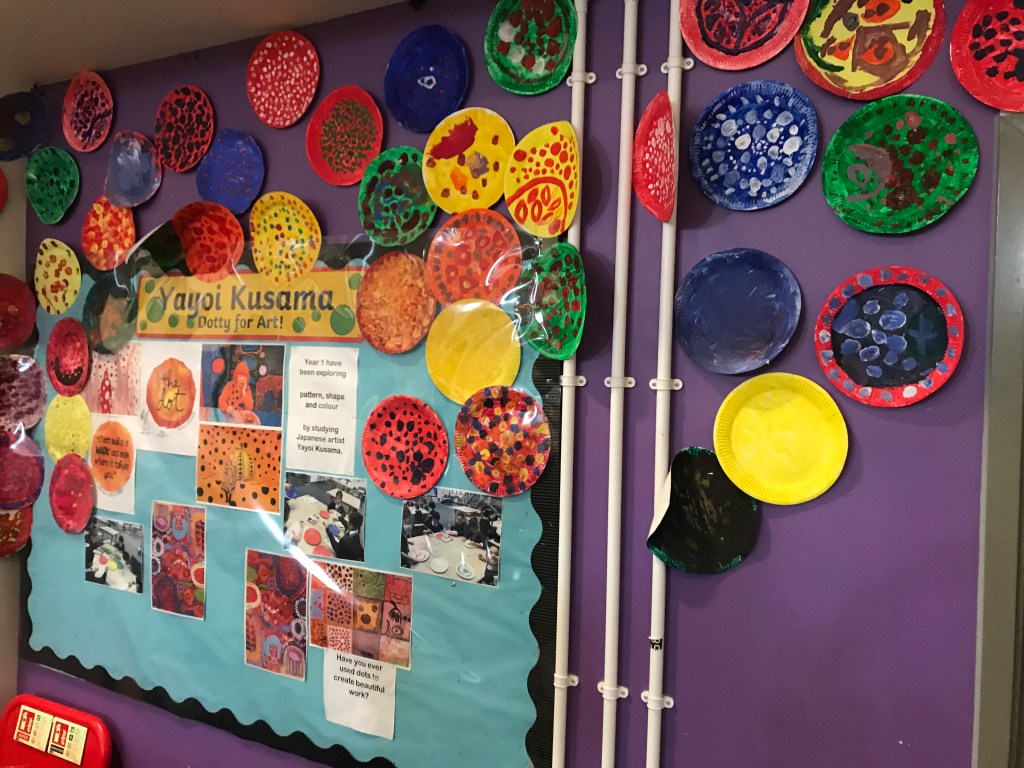
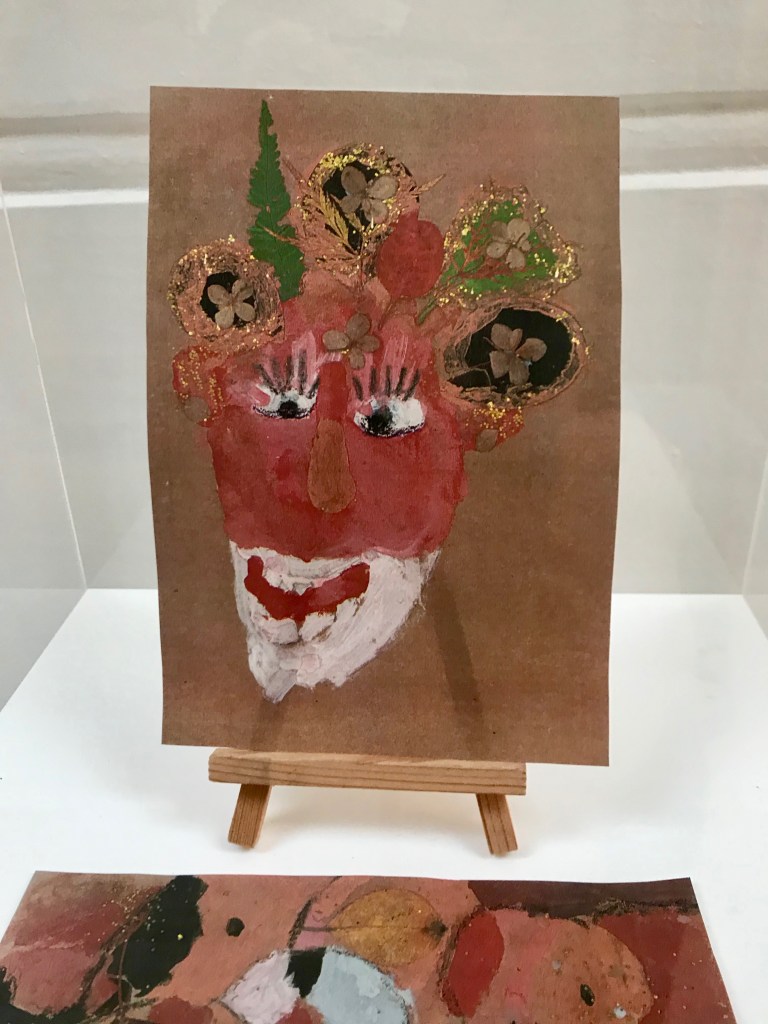
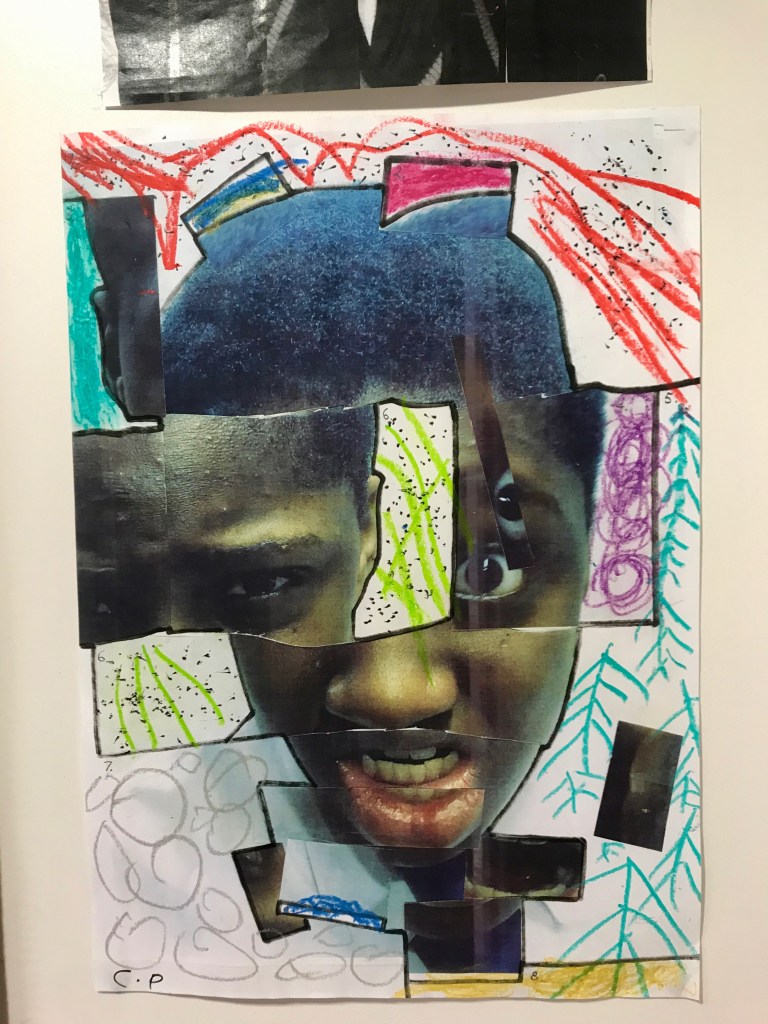
This long exhibition of self-portrait plates on the outside fence was the product of a parent-child after-school session. Some students told us that this was one of the highlights of their school experience. As a fun and colourful display, the plates are artistic representation of the high levels of diversity at School 21.

Meg and Simon repeatedly mentioned how much they valued the role of the arts in the wellbeing of their students. Simon is training as an arts therapist. He spoke of wanting to develop this role within the school, carving out a space to work with students one-to-one and in groups. He was already helping other staff to integrate therapeutic methods into their arts teaching. Simon mentioned how such an approach helps students deal with ‘difficult lives’ and trauma.

The older Primary students told us how they had participated in arts projects around issues that were important to them and their communities. These included deforestation of the rain forests and gun crime. Simon told us how a therapeutic approach is about ‘being able to understand yourself and being able to move forward in life … about being able to be truly free and imaginative, and really focusing on the process rather than the end product’.

As an Ofsted rated Outstanding school, School 21 is now part of a growing network of pioneering, progressive schools rooted in the arts and in community. We also paid a quick visit to the nearby School 360 and learned about how oracy, play and outdoor learning are at the heart of their pedagogy.

We wish them all the very best in their important work.

We would like to thank Arts Lead Simon Santhanam for being our host and guide. Our thanks also go to Primary Head Meg Drummond and to all the students who took the time to share their thoughts about the arts with us.

You may also be interested in reading our recently-published Art, Craft and Design Rapid Evidence Review – a survey of published scholarly literature on art, craft and design in education.

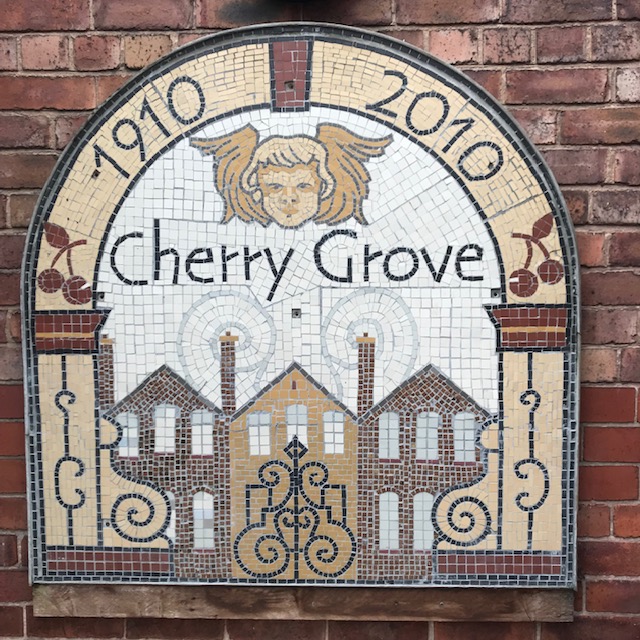
Cherry Grove: Art is your Human Right

Being a researcher of the arts in primary schools is a privilege. You’ve probably worked that out from our previous blog posts. Our visits to the schools on our list are a combination of a bespoke guided tour around an art gallery, where we can learn why and how the works took shape, and a backstage tour of a theatre where we get to see the nuts and bolts. The experience is overlain with the excited creative buzz of children in classrooms and corridors, some of whom share with us their insights into their arts lessons and clubs in focus groups.

This sense of privilege was at the forefront of our minds as we looked around Cherry Grove Primary near Chester, a Rights Respecting School who, like Torriano and Billesley, embed the workings of their school in UNICEF’s Convention on the Rights of the Child.

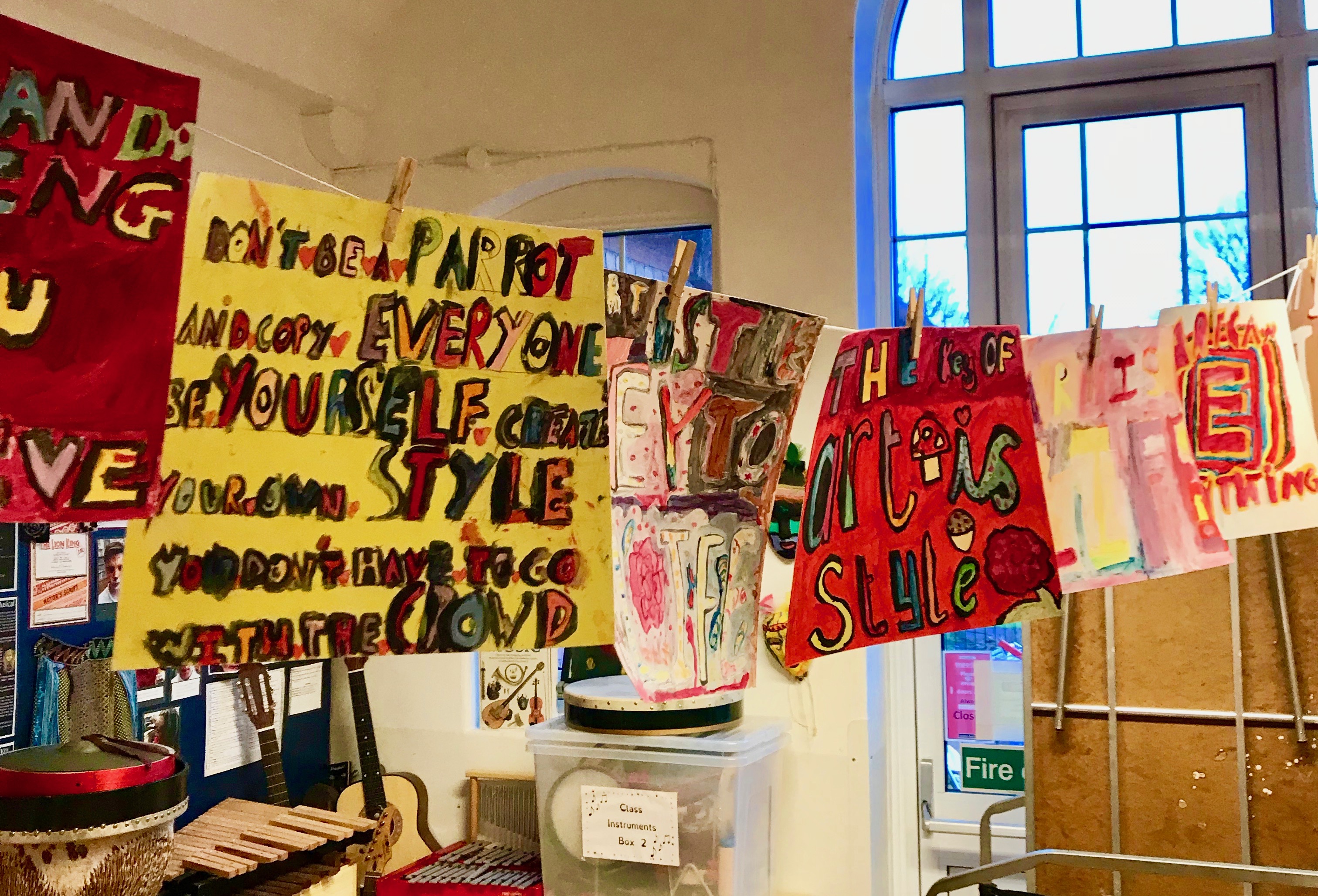
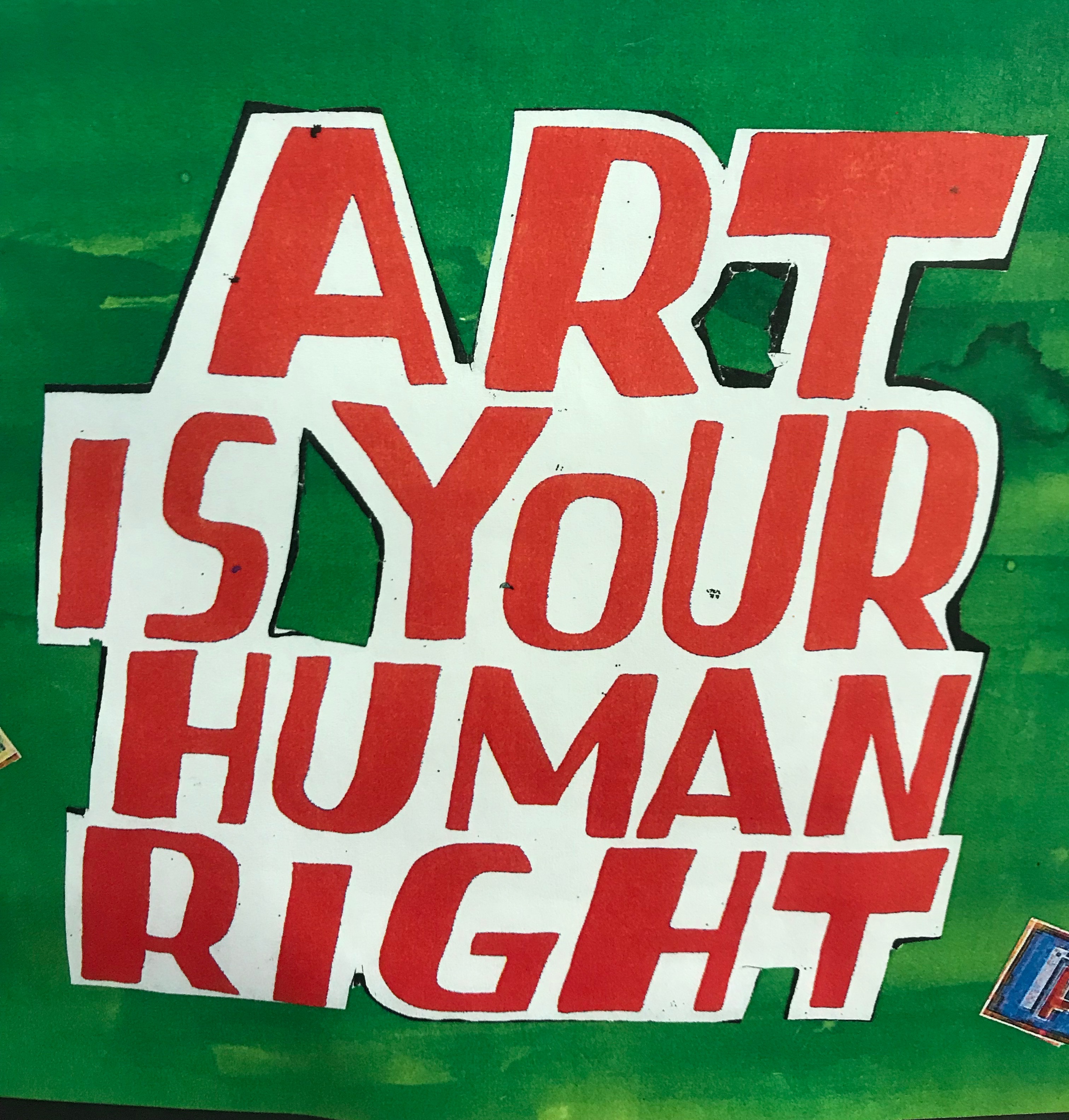
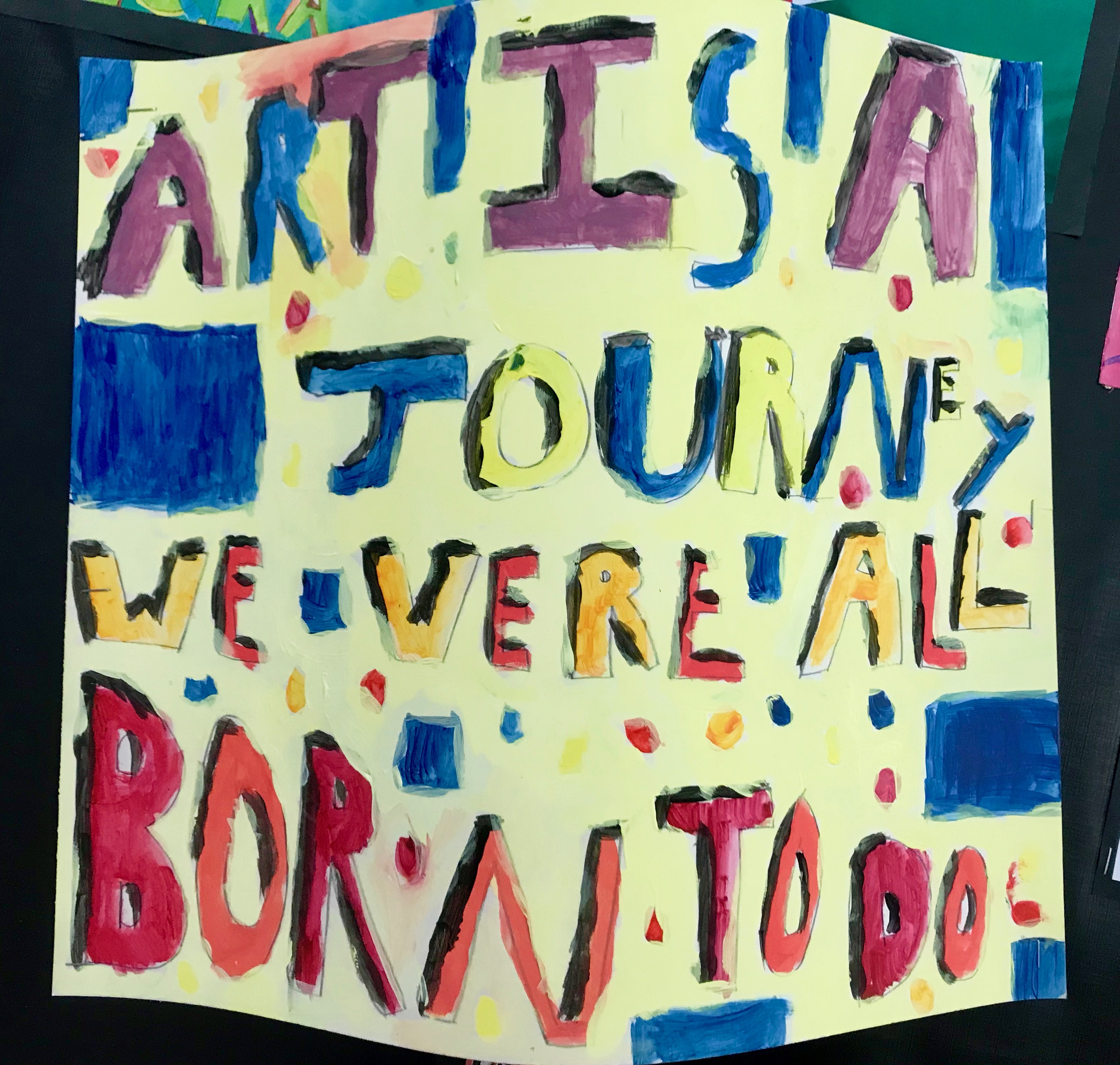
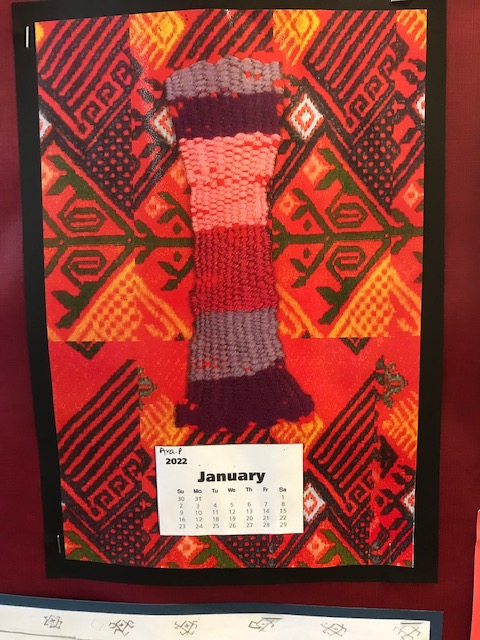
Firstly, we were overwhelmed by the vibrancy and colourfulness of many of the student’s art works. The first room we entered was strung with paintings based on the work of Bob and Roberta Smith. With slogans such as ‘Art is Life’ and ‘Your mind belongs to you’, we knew we were in the right place.

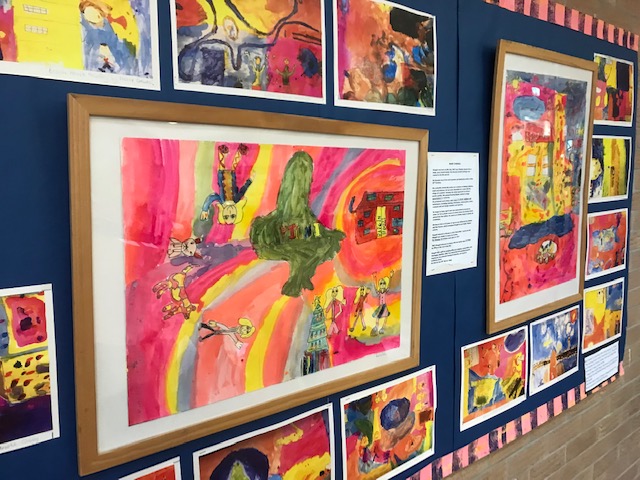
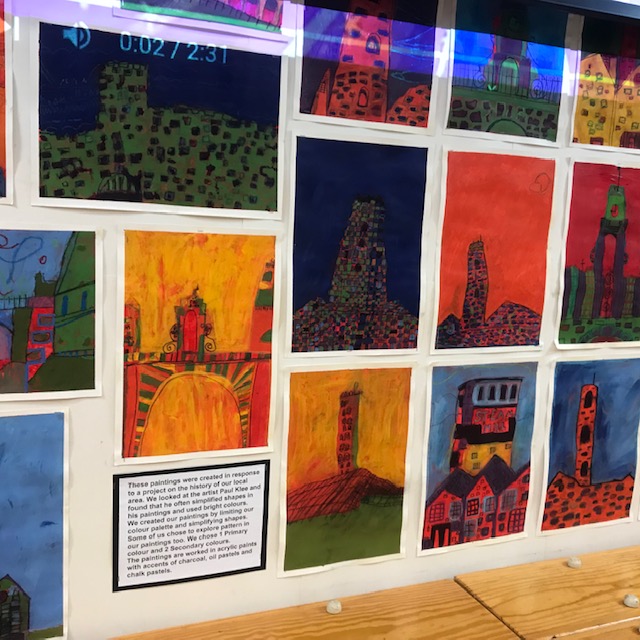
Our visual senses were further stimulated by displays of art based on the work of Paul Klee, Jan Gardner and Marc Chagall, and a wall of eye-popping Pop Art/Shakespeare pieces.

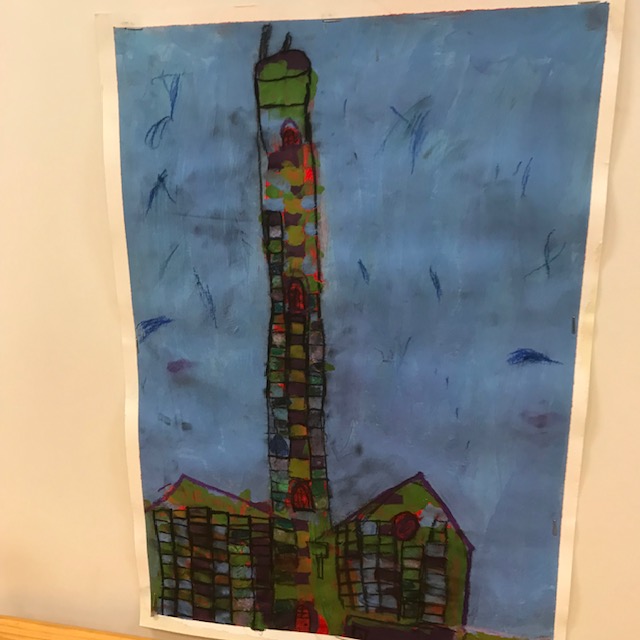
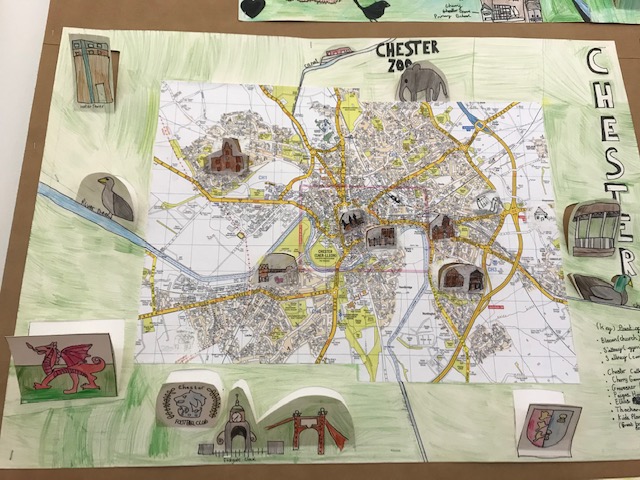
Secondly, the students’ work on local buildings and landmarks gave us a strong sense of where we were. 

Creative Arts Lead Zoe Anderson is the driving force behind Cherry Grove’s arts-rich curriculum. She told us how she places an emphasis on the students’ skills in observation, of looking closely, and of ‘opening their eyes’ to see what is in front of them, not what they imagine. She also prioritises children’s skills in drawing.

As a long-standing leader of the school’s creative arts, Zoe is embedded in networks of arts practice. As well as keeping the arts lessons fresh and creative, the visiting artists and CPD sessions seem to be creating something of a regional visual arts style. We have seen this in other regions.

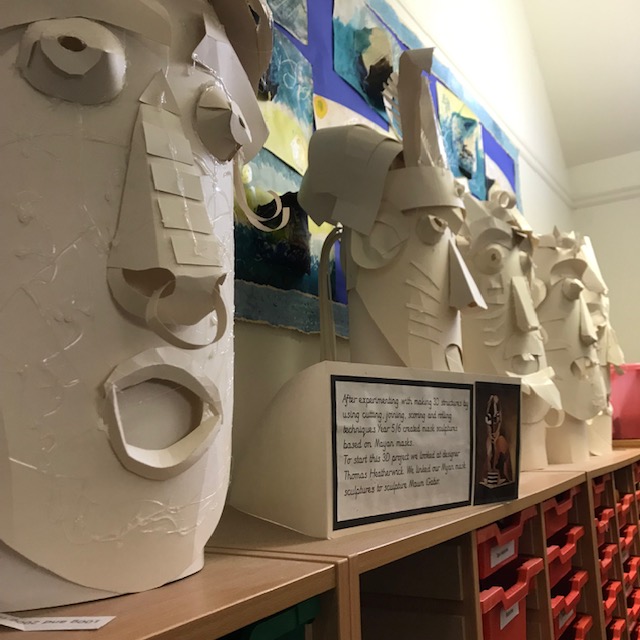
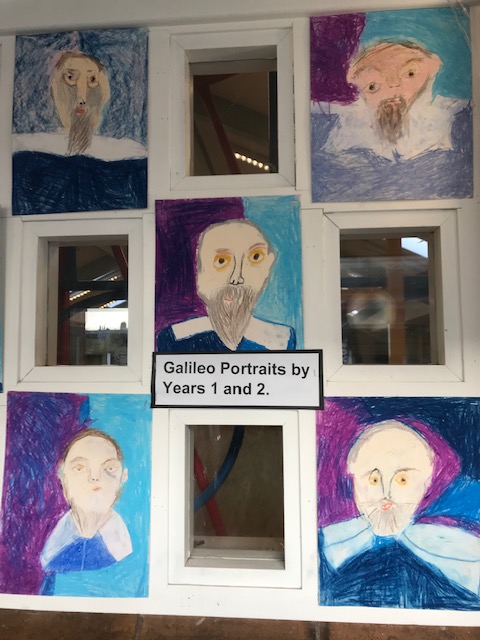
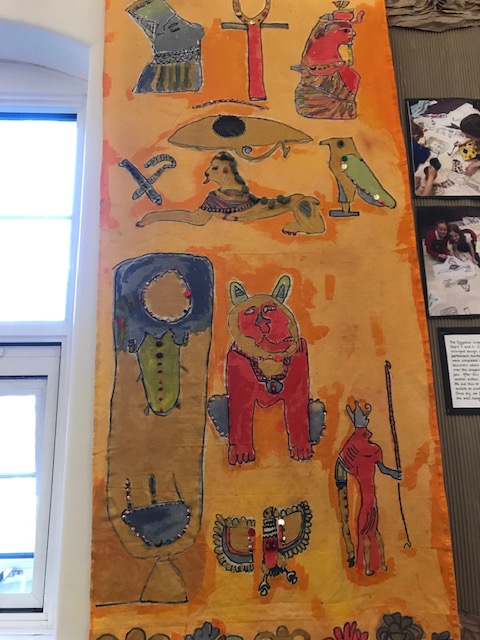
Thirdly, the students had produced art works in a range of media to explore topics such as the Mayans, Romans, Vikings, Galileo, Shakespeare and endangered animals.

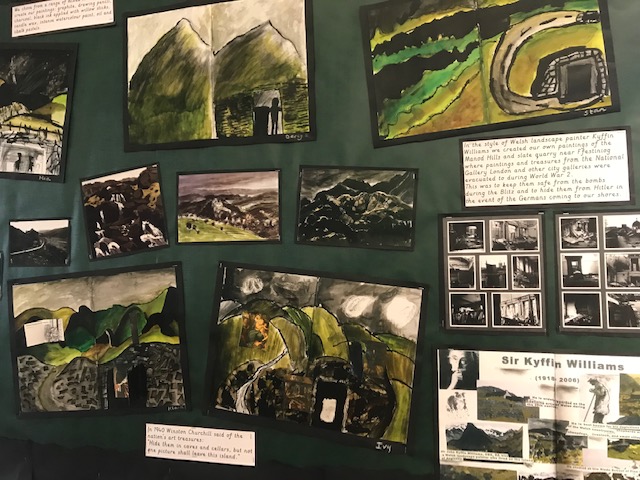
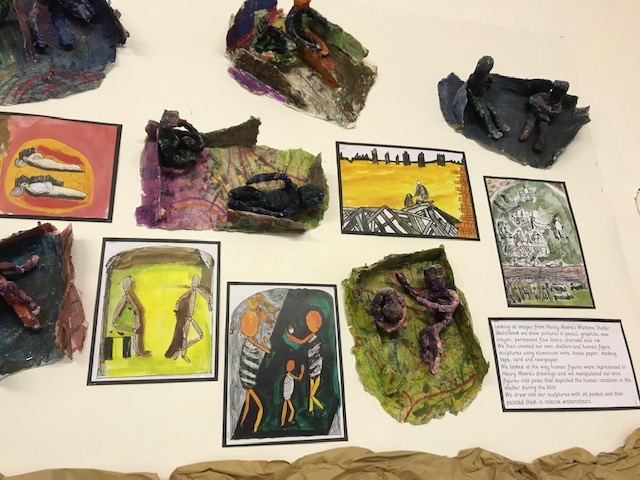
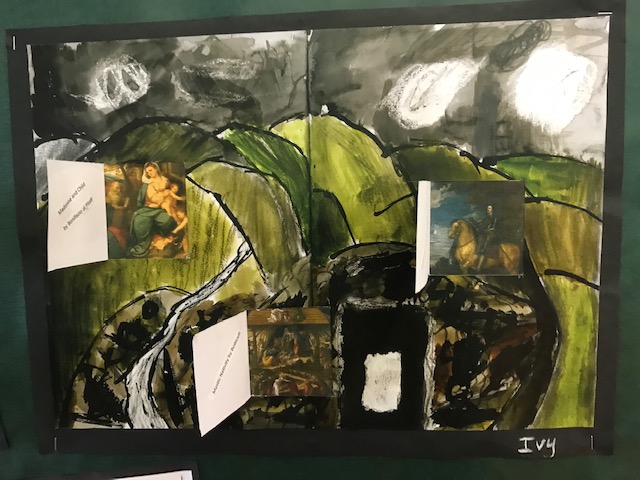
Fourthly, while colour was the overriding theme of the first displays we saw, Zoe had worked with the students on a series of striking landscape projects that explored Henry Moore’s ideas of shelter, and the historical transport of paintings from the galleries of the big cities to the caves and mountains of nearby Wales during the Second World War.

Fifthly, the school were partnered with the Royal Shakespeare Company, the Royal Ballet and the Royal Opera House. Deputy Head Roz Artist told us that the students had been to Stratford upon Avon and performed with the Royal Shakespeare Company. She talked about how it was important to provide such ‘life changing opportunities’ that allowed the children to see the bigger world, and that would be remembered years down the line.

Zoe enthused about how these links had enriched what the school offered and had ‘taken things to another level’. Students had also visited the Tate in nearby Liverpool, all of which, Zoe explained, helped to put the school’s art into wider context, especially around widening the students’ perceptions about the scope and scale of the arts industry, and the possibilities of working in the arts.

Lastly, we were shown some of the students’ sketchbooks and their highly creative topic books. The fold-out flaps and cut-into designs created a sense of interaction while the students’ comments told us how much they loved exploring topics using art and creativity.

Thanks to Creative Arts Lead Zoe Anderson, Deputy Head Roz Artist, and to the focus groups of students from Years 4, 5 and 6, the Arts Ambassadors and those who attend extracurricular clubs.

You may also be interested in reading our recently-published Art, Craft and Design Rapid Evidence Review – a survey of published scholarly literature on art, craft and design in education.

Everything with a purpose: Decluttering and decolonising at Billesley Primary

There is a sense of purpose at Billesley. Everything is done for a reason and often, that reason is research. 

The school’s 11-year journey from special measures to outstanding has involved centering the arts and embedding them in everything from the curriculum to the redesign of the physical infrastructure. Principal and Research Director Karl Rogerson, Vice Principal and Curriculum Lead Asima Iqbal explained to us how, working with Billesley’s then Executive Principal and now Head of Curriculum and Virtual School for The Elliot Foundation Multi Academy Trust Johanne Clifton, they made the decision to address issues of student engagement, behaviour and communication, and build morals and respect through a well-informed arts-rich approach.

Lead Practitioner and Arts Lead Angie Watson, currently studying for an MA in (Arts) Educational Leadership, told us how, as one of the Education Endowment Foundation’s 28 Research Schools, Billesley serves as a hub for educational research, sharing and discussing findings with other schools (including the other 28 schools in the Trust) through courses, webinars and coaching programmes. Research is also shared and utilised in the school through an extensive CPD and mentoring programme. 

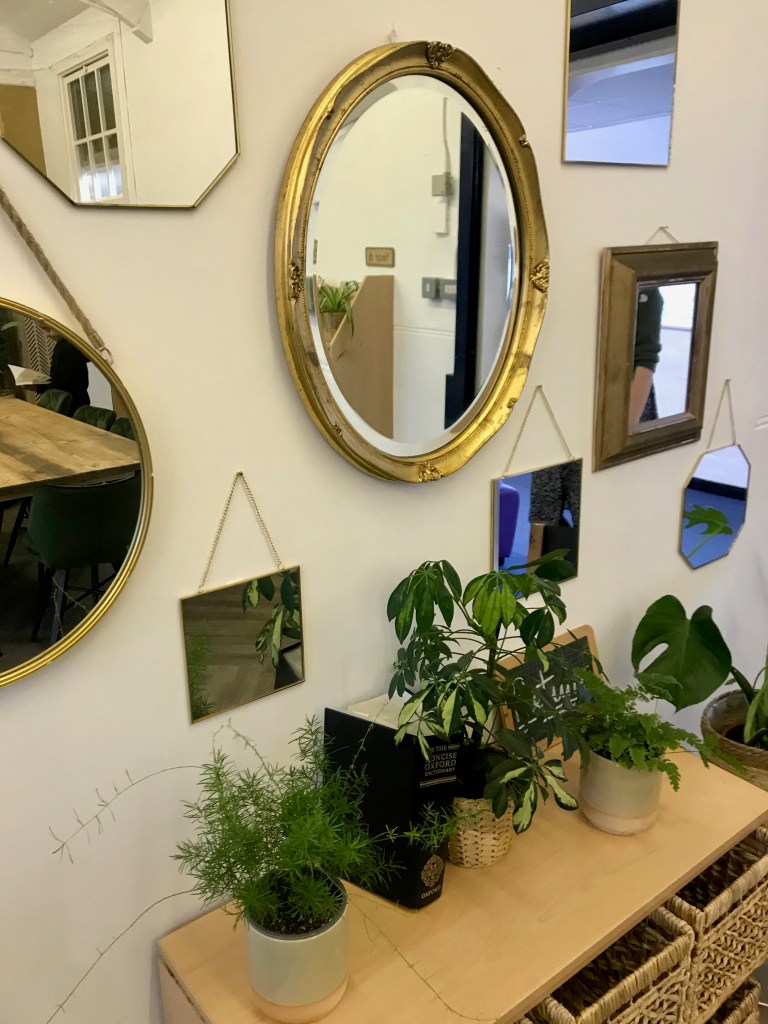
Research on the impact of classroom design on students’ learning by the University of Salford led to changes that have included decluttering the learning spaces and corridors, making classrooms and reading spaces more comfortable and ‘homely’, adding lots of plants, softening the lighting and completely re-vamping the toilets. This is known as Biophilic design. 

Responding to the idea that the physical environment can improve not only academic success but behaviour and wellbeing (of staff as well as students), the school was ‘cleaned up’, redecorated and rebranded using just three colours – white, purple and green – the colours of the Suffragettes. Karl, Asima and others took an analytical child’s-eye view of the classrooms before removing anything that might distract the students from their learning by overloading their working memory. This included taking down many of the arts displays on the walls. We learned that the students had visited the nearby Digbeth Custard Factory and Selfridges store to get a perspective on what their new school environment might look like.

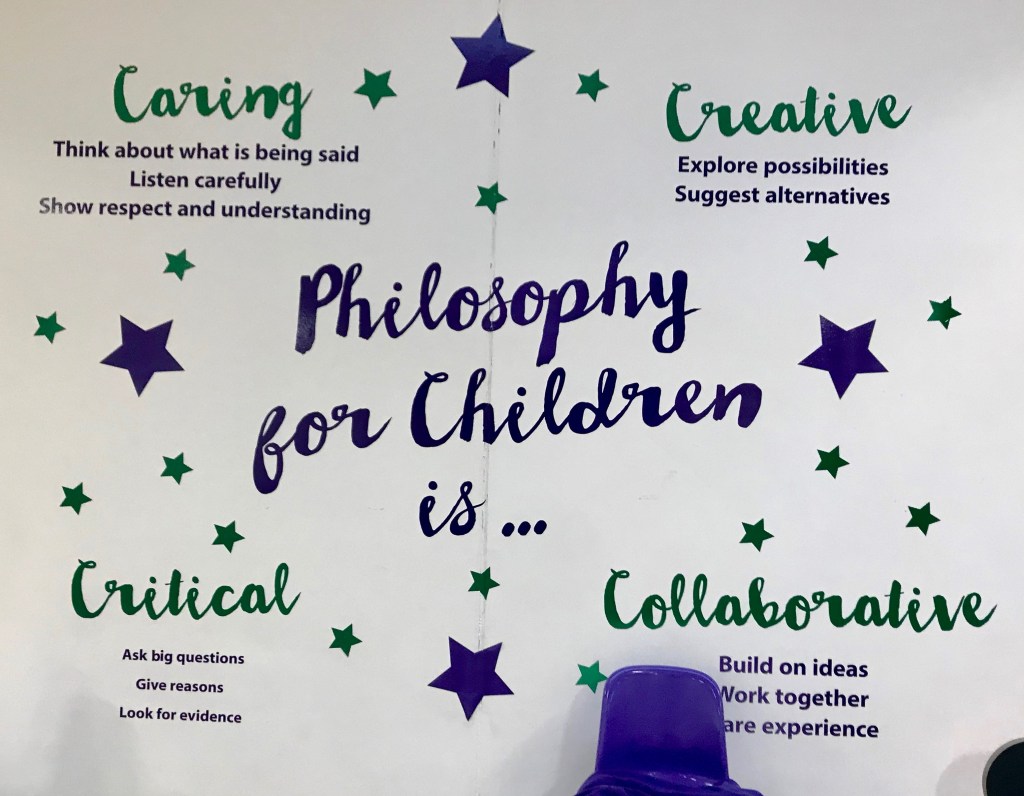
The critical analytical approach extends to the students. As part of the Philosophy for Children (P4C) programme, students regularly practice their skills in questioning, discussion and reflection, digging deeper into what they feel about the arts and what particular art works and artists might mean to them.

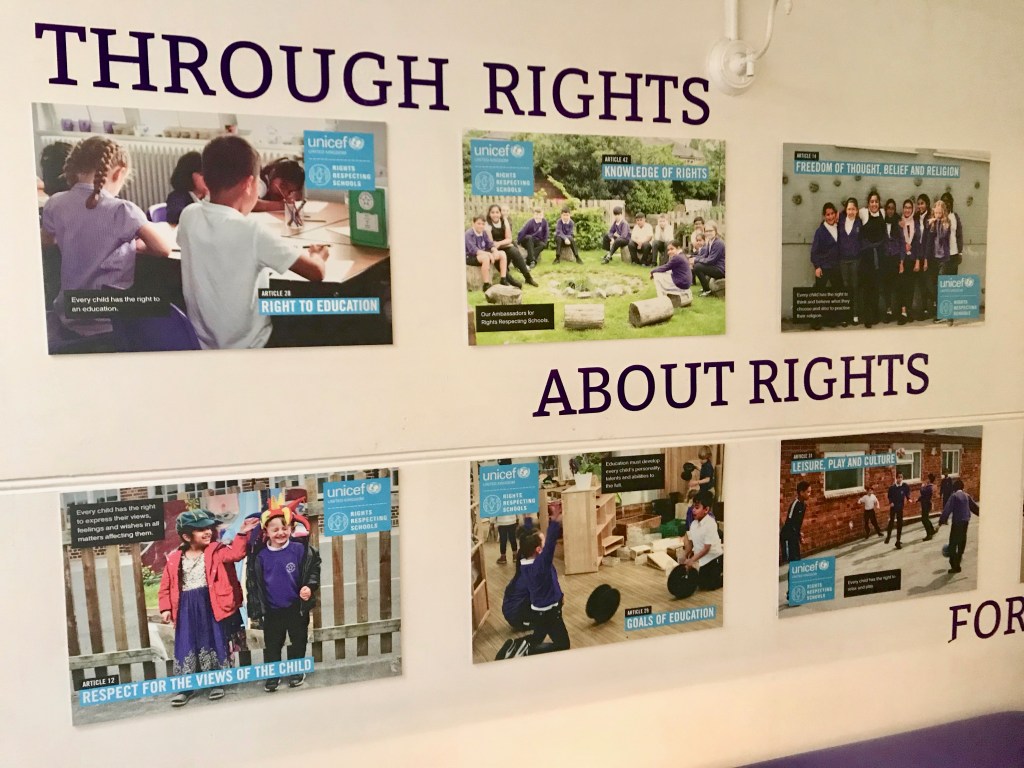
Billesley is also a Rights Respecting School (see also our blog post about Torriano). They have used their focus on the Articles of UNICEF’s Convention on the Rights of the Child (UNCRC) to frame projects on child refugees, child slavery and other issues. Asima told us how this works in practice at Billesley. Students not only know how their arts and other work links to one or more of the Articles, but also discuss how they can be proactive about their Rights. More importantly, Asima asserts, the students think about how to be proactive about the Rights of children in countries where they don’t have Rights, countries that have not ratified the treaty (such as the USA and Somalia). 

Billesley is a Rights Respecting school

Asima told us about a scheme in which the students boxed up presents and items for children in need. She told us how ‘that second level, about being proactive as a global citizen for children across the world, is probably more relevant for these children now because, even though we’re in an area which is quite deprived, they do have a standard of living and quality of life that wouldn’t be on the same level as children who haven’t in terms of Rights’.

Relatedly, Billesley has the Red Tree Fund, a charity set up following the death of a much-loved TA. The Red Tree Fund which focuses on developing the physical and mental well being of all children and has contributed towards developing ‘safe spaces’ across the school , and a Community House that distributes food boxes and serves as a comfortable space for families, carers and support workers.

Of course, we got to see some of the students’ art work, in their sketch books, in the corridors and on the new plinths. We also got to hear about their dance, drama and music lessons; Ray’s whole-class drumming sessions were proving very popular!

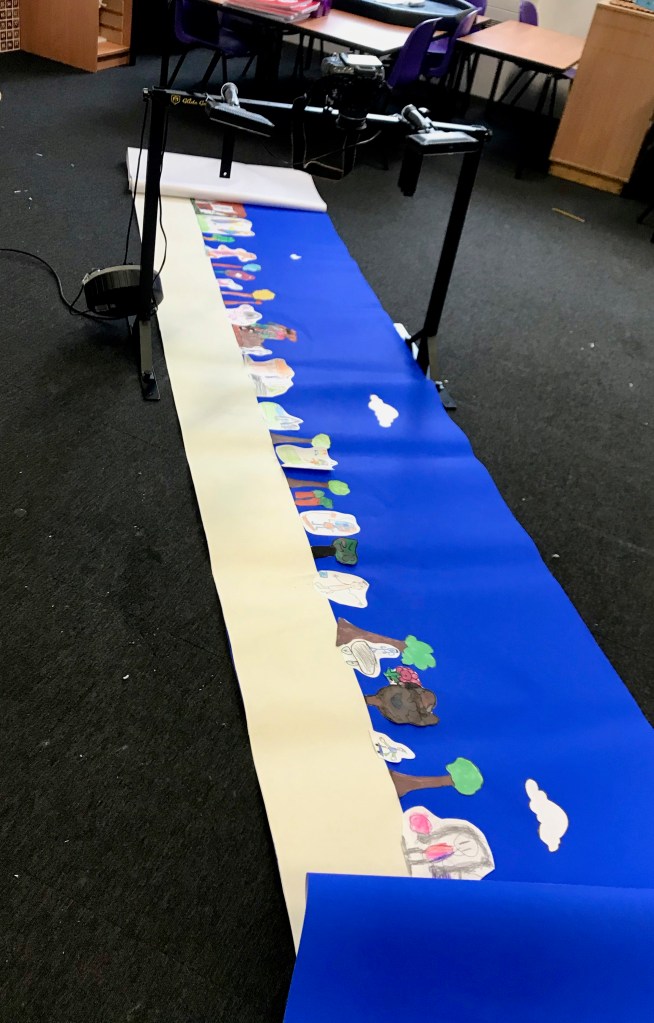
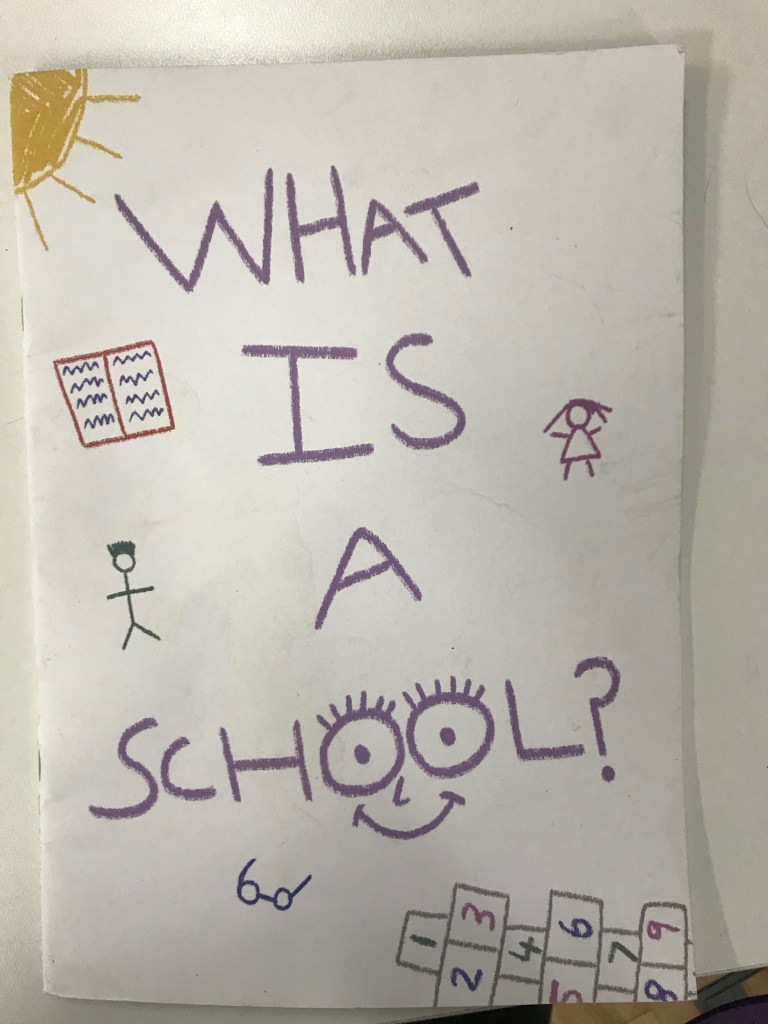
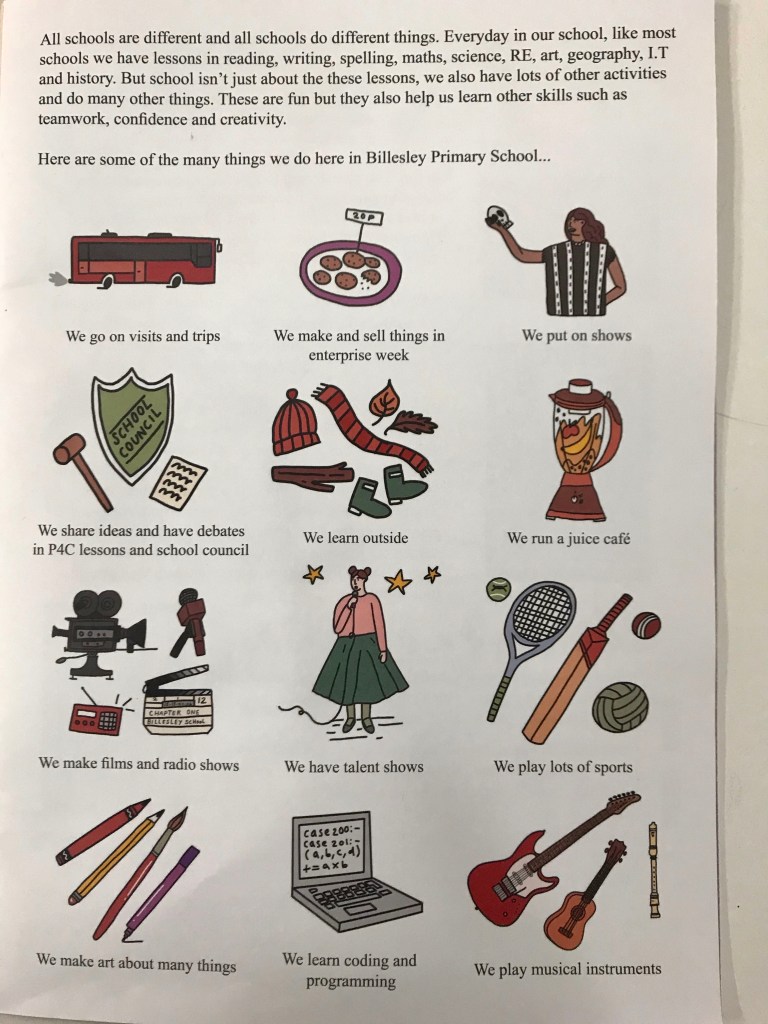
We aso learned about the school’s decade-long association with Stans’ Café who have worked on theatre projects, a giant marble run, the long roll of local neighbourhood-focussed art work that we saw on our visit, and the whole-school student-led research-based ‘What is a School?’ performance and book.

Billesley, which represents over 40 languages and 50 cultural backgrounds, also partners with Birmingham Rep, The Birmingham 2022 Commonwealth Games (through the British Council), the RSA’s Performing Pedagogies, the Open Theatre (with a focus on autism) and is involved in other university research projects such as the Durham Commission and their research into creativity in education.

During the lockdown in 2020, Billesley conducted a thorough review of their curriculum, embedding the arts more deeply, and making sure that it reflected the needs of the ever-changing community. Decolonising the curriculum meant that Columbus and Darwin were replaced by radical women.

While there is comparatively little mention in this post of the specific arts activities in which the students are involved (rest assured, the students told us about plenty), we want to thank all at Billesley for helping us build a detailed and nuanced picture of what arts-rich schools do, how they reflect the community, who they link with, what they look, sound and smell like, and what they stand for.

Thanks to Lead Practitioner and Arts Lead Angie Watson, Principal and Research Director Karl Rogerson, Vice Principal and Curriculum Lead Asima Iqbal and the students of Billesley for sharing their thoughts and experiences and for welcoming us into their school.

You may also be interested in reading our recently-published Art, Craft and Design Rapid Evidence Review – a survey of published scholarly literature on art, craft and design in education.

The ArtsMap video for this school and the others in the RAPS project are available on the RAPS Youtube channel. The videos have been produced by students to showcase the arts in their primary school.

Suffragettes, STEAM and Sustainable Development at Torriano Primary

Torriano is a Rights Respecting arts-rich primary school in the Camden/Kentish Town area of London. With a socially and economically diverse community, this school values the rights of all children. 

Since 2009, the school has been part of this UNICEF initiative to embed the rights of children and young people’s in their practice and ethos. This means that much of the curriculum, learning and school dialogue are framed by the 42 Articles. For example, Article 29 states that ‘Education must develop every child’s personality, talents and abilities to the full.’  

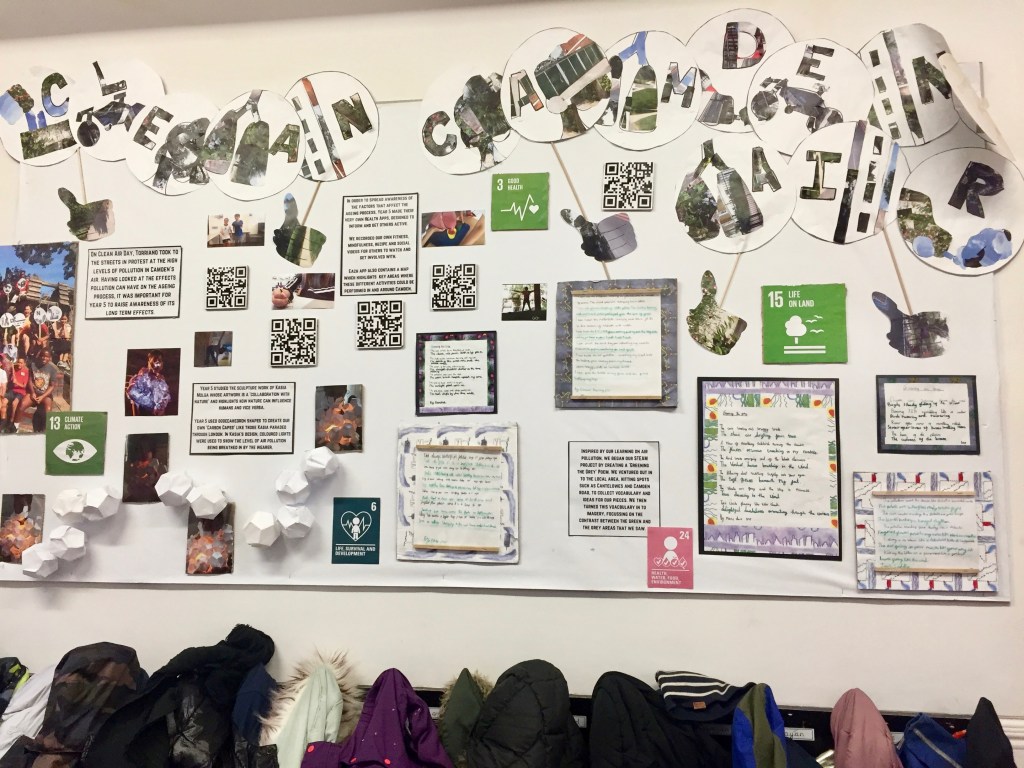
The work displayed around the school reflects both an understanding of these rights of the child and the school’s strong focus on the UN Sustainable Development Goals (SDGs). In practice, this means that many of the works of art and creative products that we saw on our visit had SDGs and articles referenced. This ensures that everyone can clearly see which issues and Articles are being addressed.  

Our lead for the day was Kat Branco, Head of Curriculum, Culture and Innovation and Year 6 teacher, with a degree in philosophy, a professional background in charities and non-governmental organisations, currently studying for a Masters in education policy. 

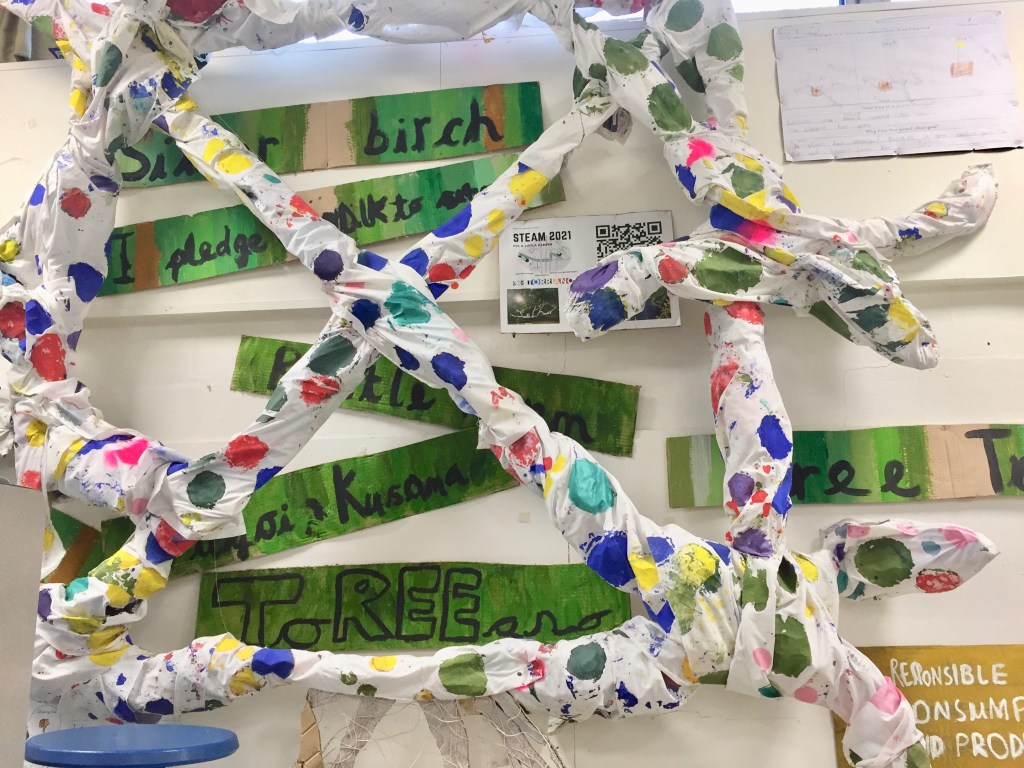
On our guided tour, we saw a number of these large Suffragette banners on the walls. Gender equality signs (SDG 5) appeared on a number of the displays we saw, hilighting the legacy of work on gender equality. 

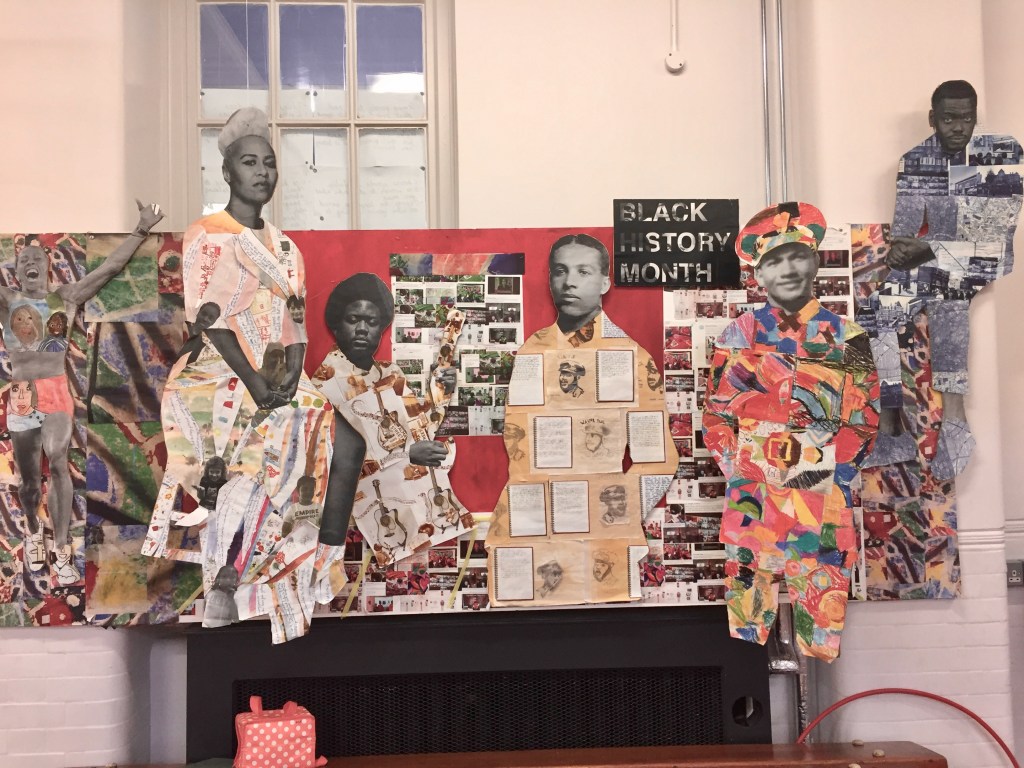
There were large displays of Black History Month art work in the main hall. One project focused on a soldier from World War 2, others on local artists Michael Kiwanuka and Daniel Kaluuya. Daniel is an alumni of the school and spoke to the children from Hollywood in 2020.  

The students had also recently done work based on the French Tunisian artist JR who creates community based participatory art works, often with a socially political theme. The students, supported by the school’s Artist-In-Residence Jim, adopted JR’s black and white cut and paste aesthetic to create (sometimes huge) self-portraits. These represent who the children are ‘Proud To Be’ and link to the 2021 Black History Season national focus.

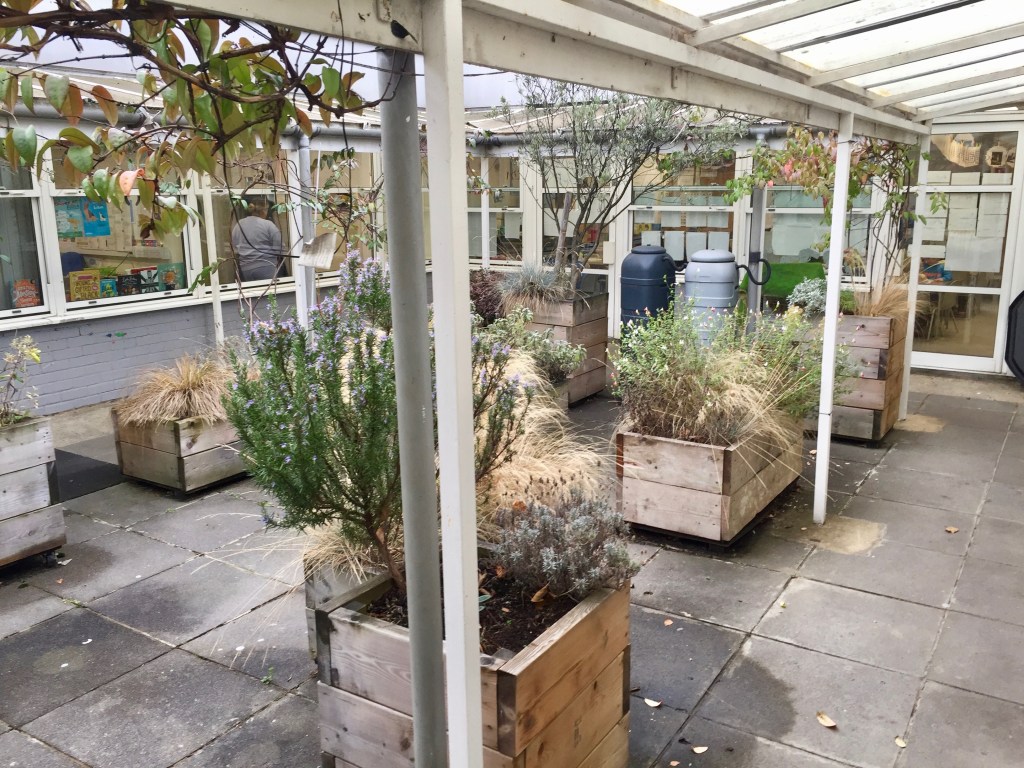
Torriano was full of plants! The school had worked on projects based on sustainability, green energy, recycling, urban regeneration, bees, cleaning up the air, and making art out of rubbish. Recycling, re-using and rewilding are evident across the school, both inside and out. 

Students had created a ‘Harnessing the Sun’ machine as a way to use solar energy for ‘Repowering Torriano’. This was their Year 4 STEAM (Science, Technology, Engineering, Art and Maths ) project focus in 2021, linked to their Electricity science unit.  

The school also has a vegetarian ‘Earth Kitchen’ – a separate building which the children use for Food Technology lessons every half term. Fortnightly, the Waste Food Café opens; left over food from the school canteen is used to make nutritious smoothies.

As you have probably guessed, there was strong focus on STEAM. We have read all about how the Arts could be seamlessly integrated into a curriculum that also covers Science, Technology, Engineering and Mathematics. In fact, we have recently finished a 3-month Rapid Evidence Review which included us looking at STEAM education from all over the world. Torriano showed us exactly how well this could work in a primary school.

These displays in the large main hall use art, craft and creativity to explore issues that combine maths, coding and computing, as well as historical and social context.  

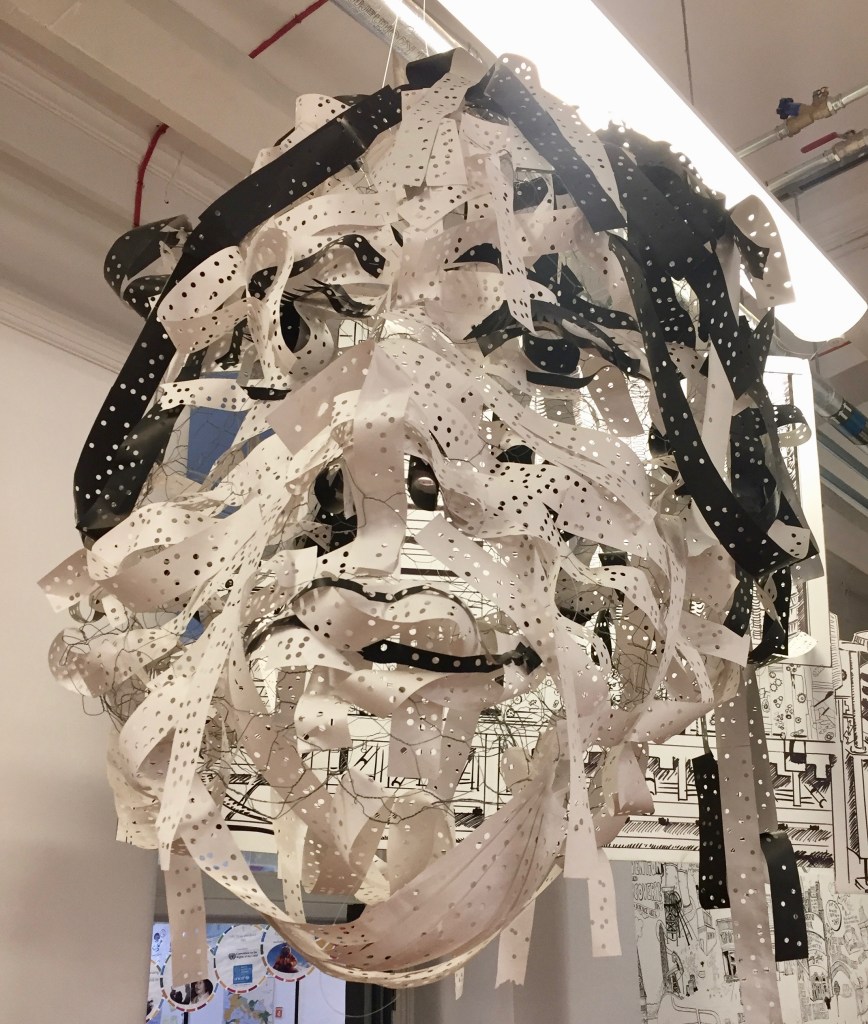
This large head is Ada Lovelace, created to celebrate her crucial role as the first computer programmer, algorithm writer and skilled mathematician. The students had made Ada from long hole-punched strips of paper, imitating the first coding from the Analytical Machine. In class, they had also created hole-punched card computers and other work on the topic. Fans of Ada will know that her mum was also a mathematician and her Nottinghamshire-based (like us) father was a poet. Ada was breathing STEAM before it became popular! This was a good example of how learning about historically significant polymaths could help to give context to coding lessons for all children. 

While giant heads and sun-capturing machines are eye-catching products that showcase the behind-the-scenes learning processes, we were excited to see a number of (again, sometimes large) displays which used art, design and creativity to make exploratory processes visual, and to show how parts of systems connect. The students had created these biological artistic info-graphic pieces based on the work of Fritz Kahn. 

Referring to Torriano’s arts-integrated curriculum, Kat said: ‘It helps us understand new ways of thinking, ways that we didn’t necessarily think of before’. She stressed the need for the various dance, animation and other projects to be linked to a meaningful context.

Executive Head Helen Bruckdorfer explained how the arts were perfect for making complex issues such as social justice, inequality and citizenship understandable and tangible. She talked of the arts’ role in developing the advocacy and agency of the students, and of promoting their right for self-expression and their right to be heard.

Ongoing plans are looking to further develop and create more meaningful partnerships with local schools, parents, communities, and the many cultural organisations that are within a short bus ride of the school. We wish them well. 

Thanks to Head of Curriculum, Culture and Innovation Kat Branco for organising and hosting our visit, and to Executive Head Helen Bruckdorfer (on Zoom) and Head of School Holly Churchill for their sharing their insights.  

You may also be interested in reading our recently-published Art, Craft and Design Rapid Evidence Review – a survey of published scholarly literature on art, craft and design in education.
The colourful sights and sounds of Mellor Community Primary

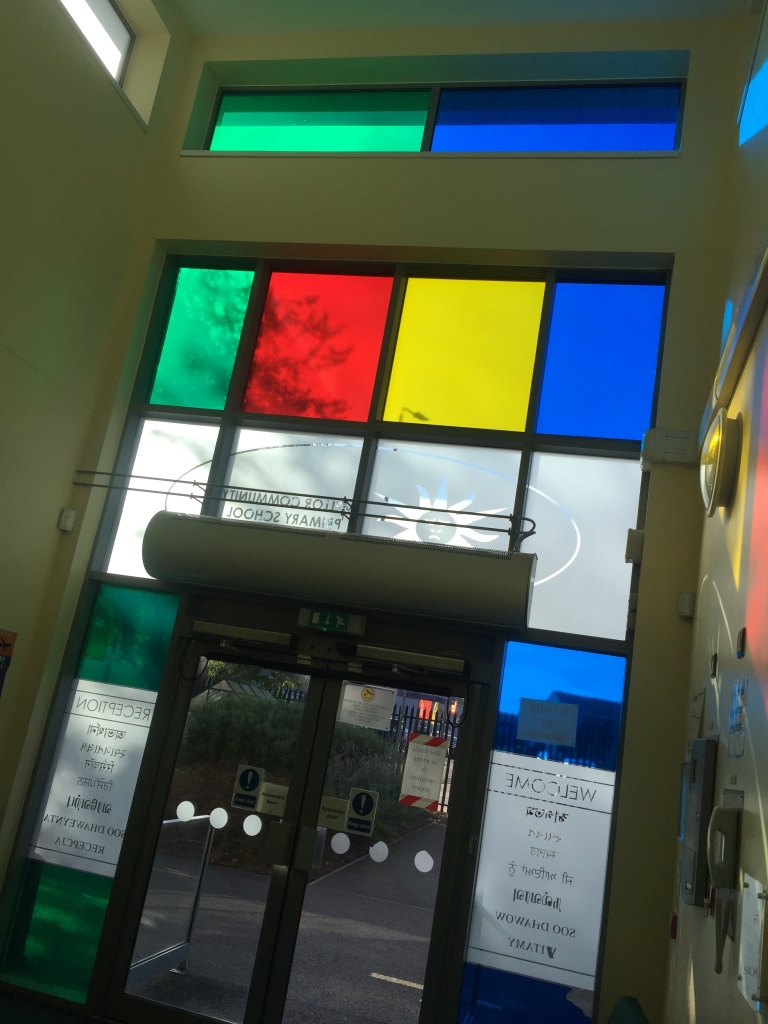
Coloured glass in school foyer

Mellor Community Primary in Leicester is a vibrant primary school bursting with colourful attention-grabbing artworks. From the light streaming through the glass in the foyer through the art-filled corridors to the open-plan library space at the centre of the school, the bright colours and constant music characterise the school’s dedication to the arts and culture of the local community.

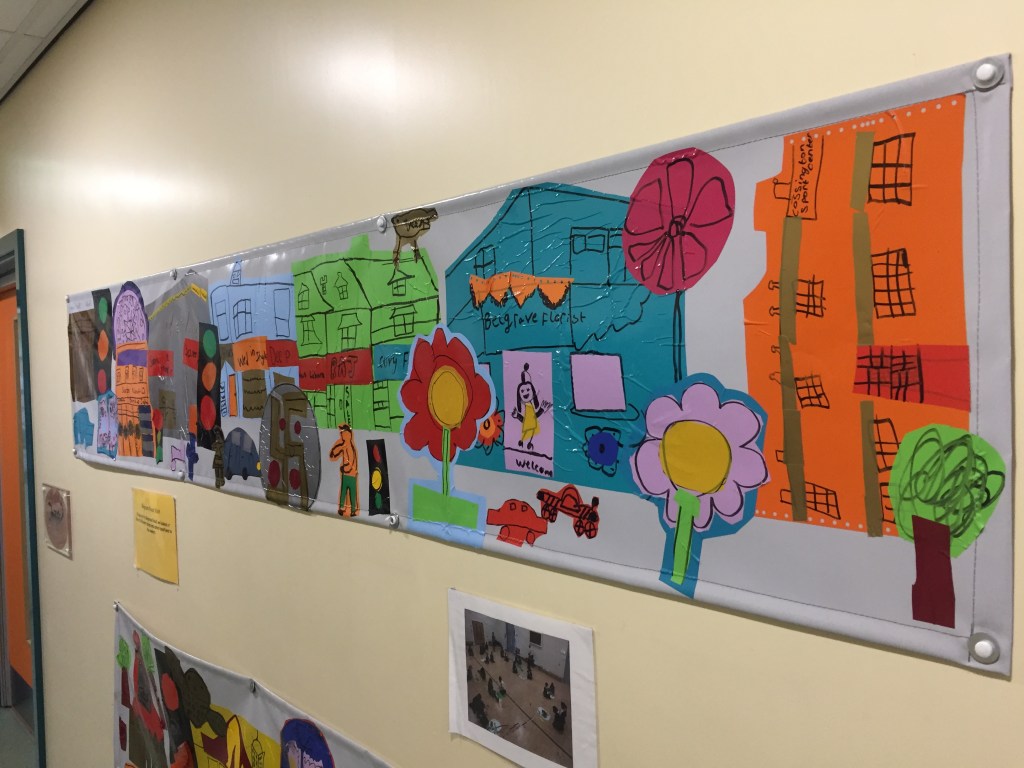
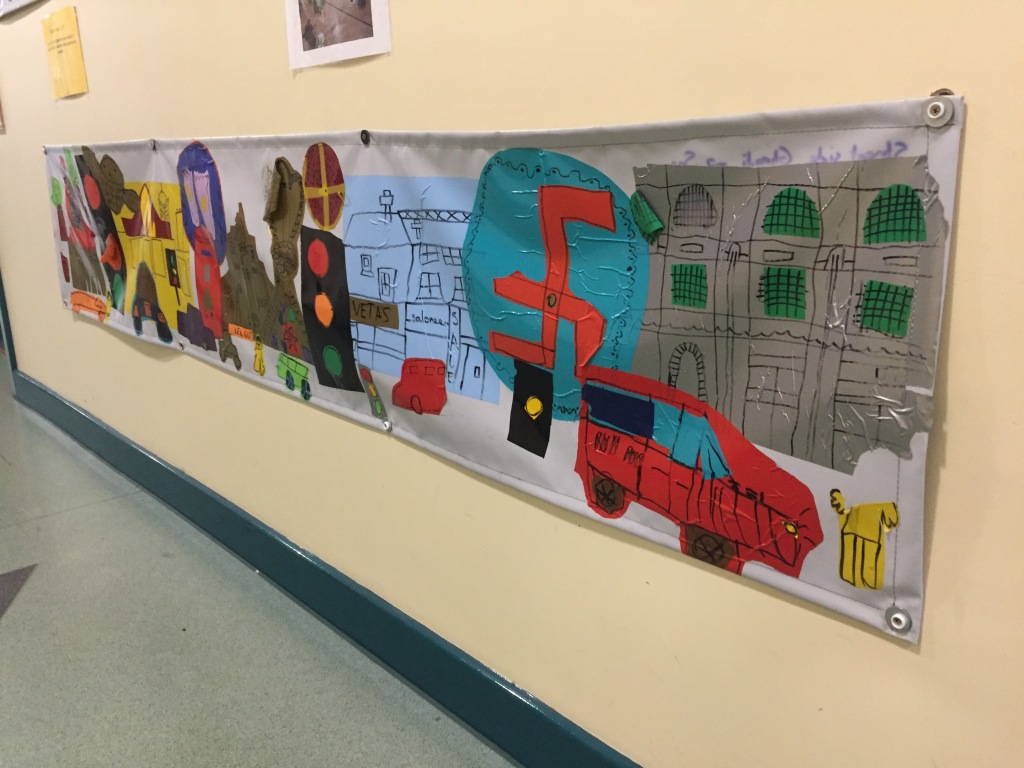
Two long collages stretch along one of the corridors, the results of the students’ art trip to the nearby Belgrave Road (AKA The Golden Mile). The students had captured not only the colourful shops in their collaborative artwork, but also the sensual impact of the flowers, traffic lights, cars and people that they must have seen while they were there. This was a great example of ‘bringing the outside in’ and how primary schools can use the arts to link with and reflect their local communities.

Belgrave Road art collage 1
Belgrave Road art collage 2

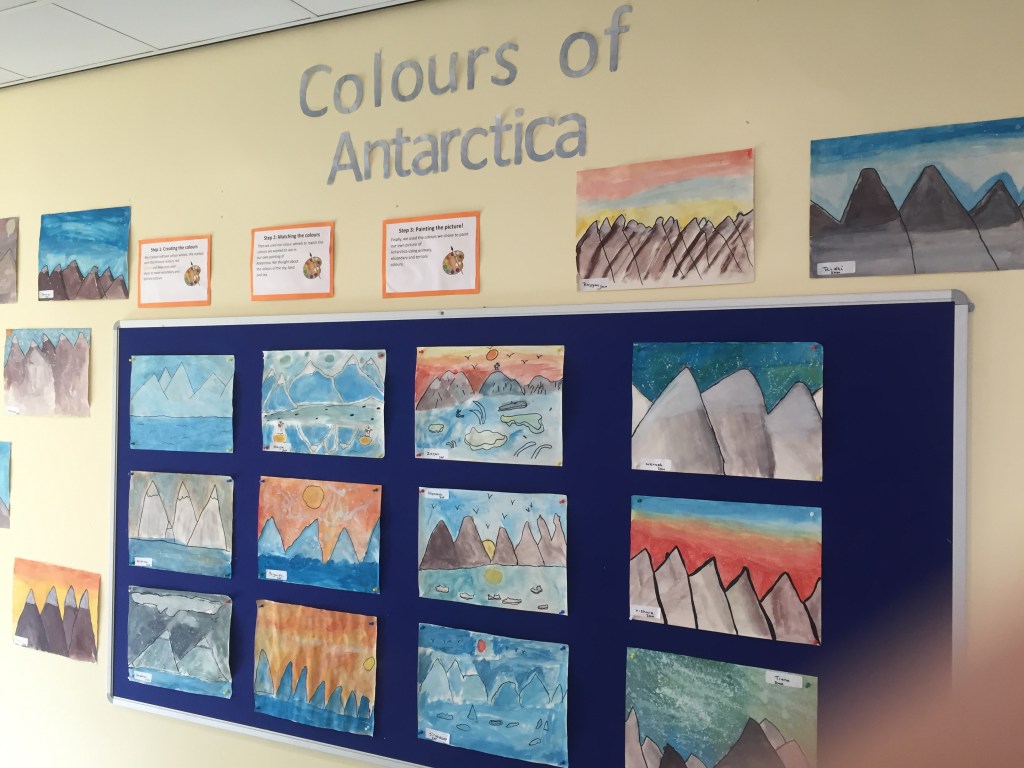
The idea of colour was central to many of the students’ art displays. In the Antarctica project, Year 3s explored primary, secondary and tertiary colours and blended them to create vivid skies and seas. Other sensual aspects were explored in their 3D box multi-media Antarctica landscapes produced during the period of home learning.

Among the artists and styles explored were displays of work inspired by Kandinsky and Pop Art. Both popped with the characteristic primary colours, swirls and shapes, and popular cultural references. Another set of artworks captured the sights and sounds, culture and contributions of the Windrush generation. Watercolours of Peak District landscapes showed the students working with more muted colours to create perspective and layers.
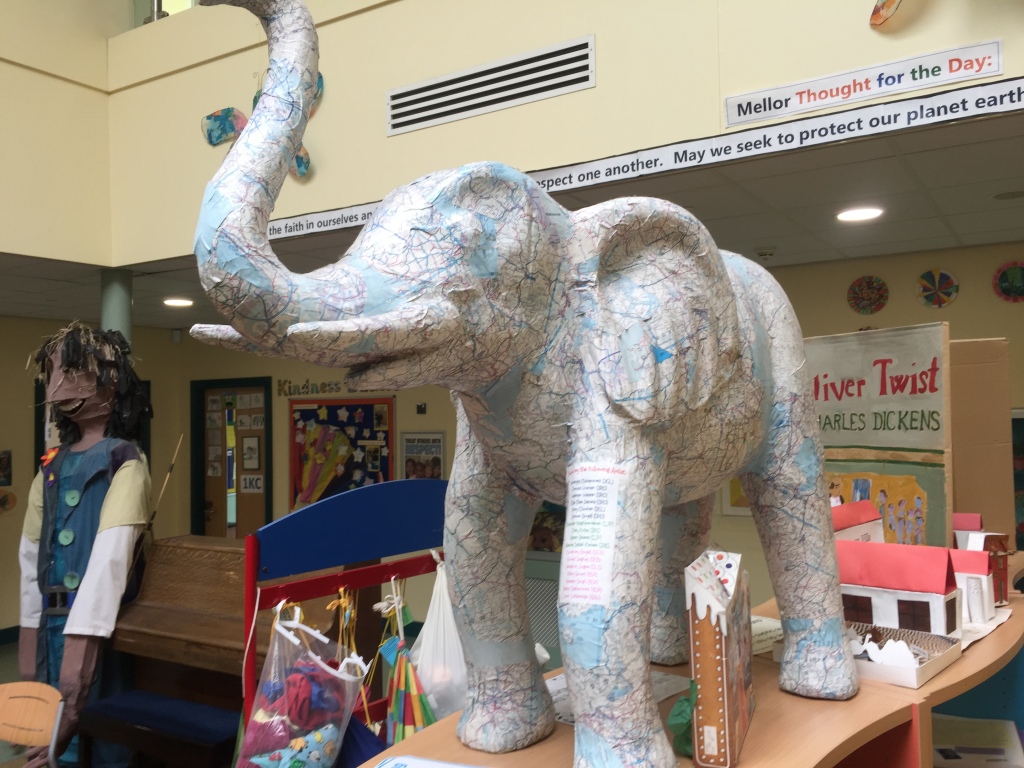
At the centre of the school is a brightly lit open-plan library that doubles up as a vibrant gallery space. There are large sculptures, such as the mannequin of local legendary giant Bel, or an elephant covered in maps. Glass display cabinets and frames, and shelves full of student arts work stand side-to-side with ‘professional’ works.

Bel Giant figure and map covered elephant

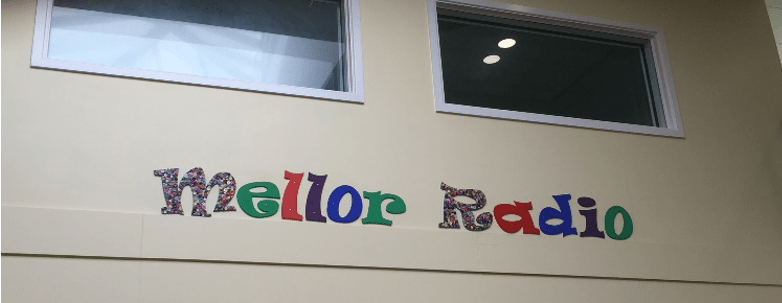
Overlooking the library/gallery is Mellor Radio, a dedicated radio room full of microphones, headphones, recording equipment, and even a ‘going live’ red light. The colourful sounds of the student-curated playlists are broadcast continually in the corridors throughout the school day. The teachers and students that we spoke to loved how their school was full of music.

The radio room is also used by students to make podcasts and record their voices for other projects. They had made jingles saying ‘This is Mellor Radio’ in the wide range of languages spoken by the students – 98% have English as a second or additional language. The jingles were interspersed with the music to create a fun student-voiced soundtrack to school life.

The project was integral to the school’s focus on oracy. The students practiced this art of verbal communication when they spoke to us in their focus groups. The clarity and projection of their voices really brought their insights and stories about the arts to life!

Thanks to Arts Lead and Deputy Head Anthony Hibble for organising our visit and showing us around.

You may also be interested in reading our recently-published Art, Craft and Design Rapid Evidence Review – a survey of published scholarly literature on art, craft and design in education.