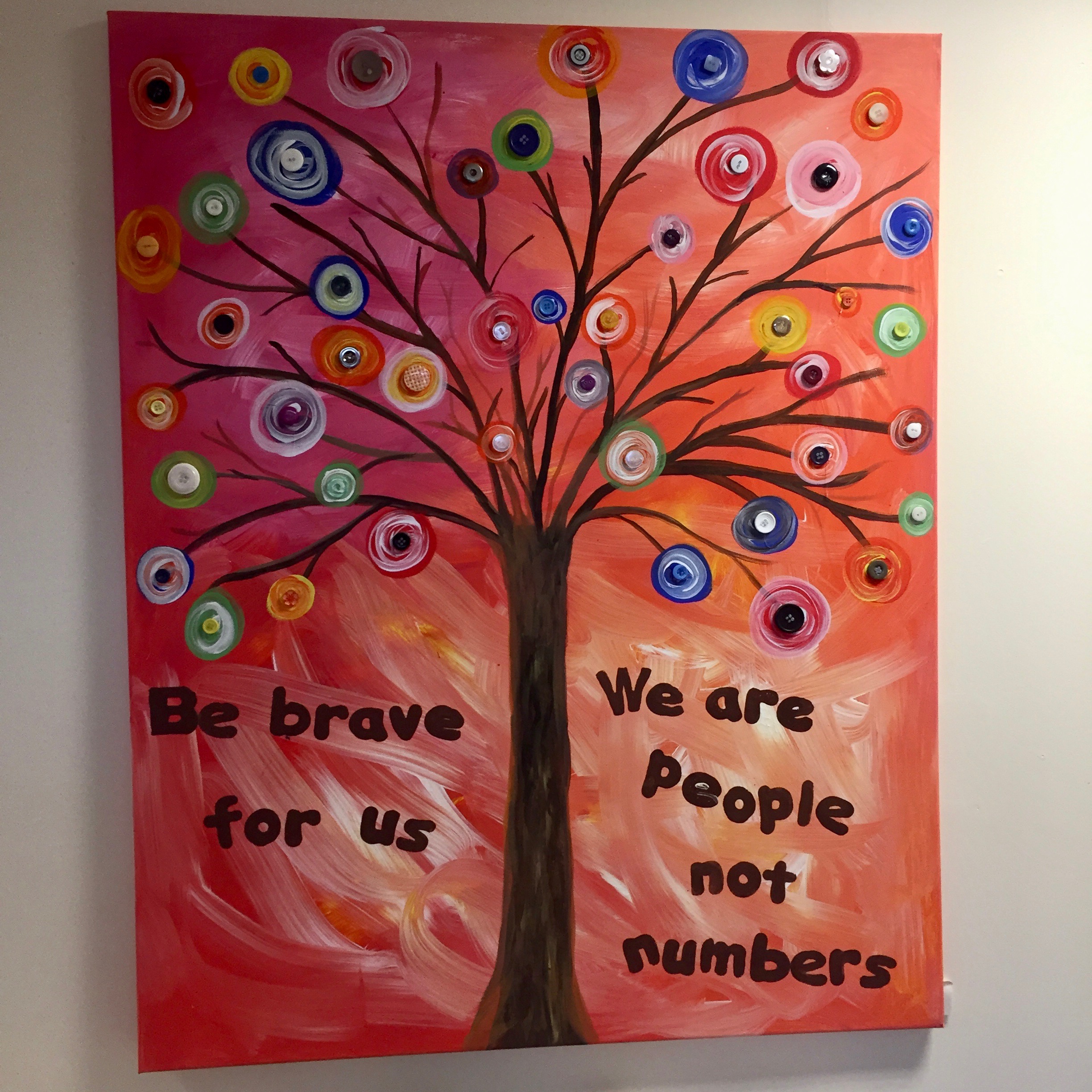
‘There isn’t a single project that we couldn’t enhance by the use of the arts’: Hillstone Primary

Music and drama run through Hillstone Primary like the River Rea and the Digbeth Branch Canal run through nearby Birmingham, a city named after Boerma, its Anglo-Saxon founder.
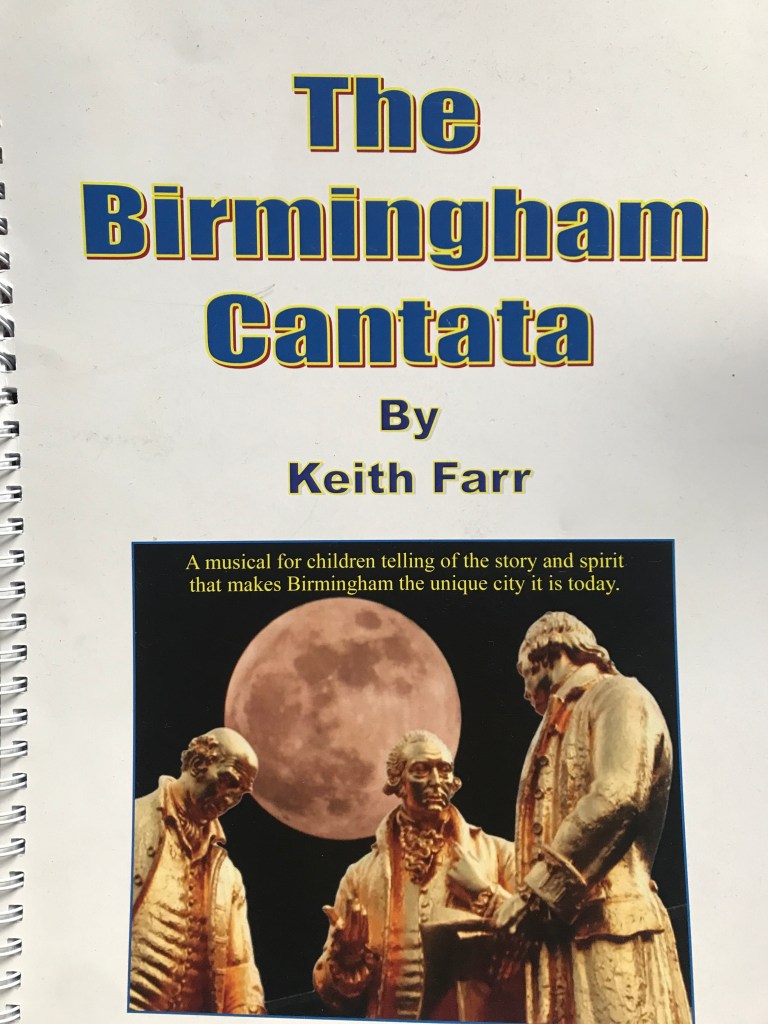
How do we, from the East Midlands, know so much about our West Midlands neighbours? Well, Hillstone’s music and drama teacher Keith Farr wrote a musical for the students called The Birmingham Cantata, full of facts about history, heritage and culture.

The songs evoke the sights and smells of the region’s Industrial Revolution, detail the contributions of steam engine pioneers Matthew Boulton and William Murdoch, and celebrate Birmingham’s multi-cultural past and present.

In fact, turning topics into mini-operas is something of a speciality for Keith and his students. For example, after the school had been to watch the full 3-hour version of Madame Butterfly performed by school partners Welsh National Opera, students spent a week rewriting the story and songs in English. Forty-eight of them performed it onstage for their parents back at school.

After watching performances of Stravinsky’s Peter and the Wolf and The Firebird they wrote and composed music for their own Russian folk tales and performed them with a group of schools. They have also created a piece called Three Planets based on the three primary colours.

Students have also worked with the Birmingham Royal Ballet, Birmingham Rep, the Royal Shakespeare Company and many other cultural partners. 

We have written before about how little we get to see music and drama performances during our research visits. At Hillstone, we were lucky enough to watch (and sing along with) Keith’s pre-school rehearsal of a recently composed musical nativity, and attend (and participate in!) the after-school choir session.

The students’ enthusiasm for music performance was palpable. Immediately after one of our focus group interviews, Year 5 students insisted on playing for us on their guitars, trumpets, violins and clarinets, and singing some of the songs that they were rehearsing. 

With all of this musical confidence flowing through the school, it is no surprise that Keith places his emphasis on the process – the various problem solving, technical and other skills that the students learn while they are creating, shaping and rehearsing a work. 

Head teacher Gill Sparrow told us of her passion and support for the cross-curriculum integration of the arts, and for Keith’s methods. ‘There’s nothing that you couldn’t write a song about or create a dance to’ she explained, before adding ‘there isn’t a single project that we couldn’t enhance by the use of the arts’.

School bandstand

In addition to the benefits of the process, Gill stressed that everything that the students did had to have a purpose. That might be in the form of an exhibition, or a performance at the school or at local old people’s homes, or in the toy designing-and-making project they did with a professional toy maker.

As well as enhancing the curriculum and making it more enjoyable, Gill told us how the arts were particularly important for her students, their families and the local community. 51% of the students are on Free School Meals; the children’s families score high on markers of abuse and deprivation; many parents are third generation unemployed.
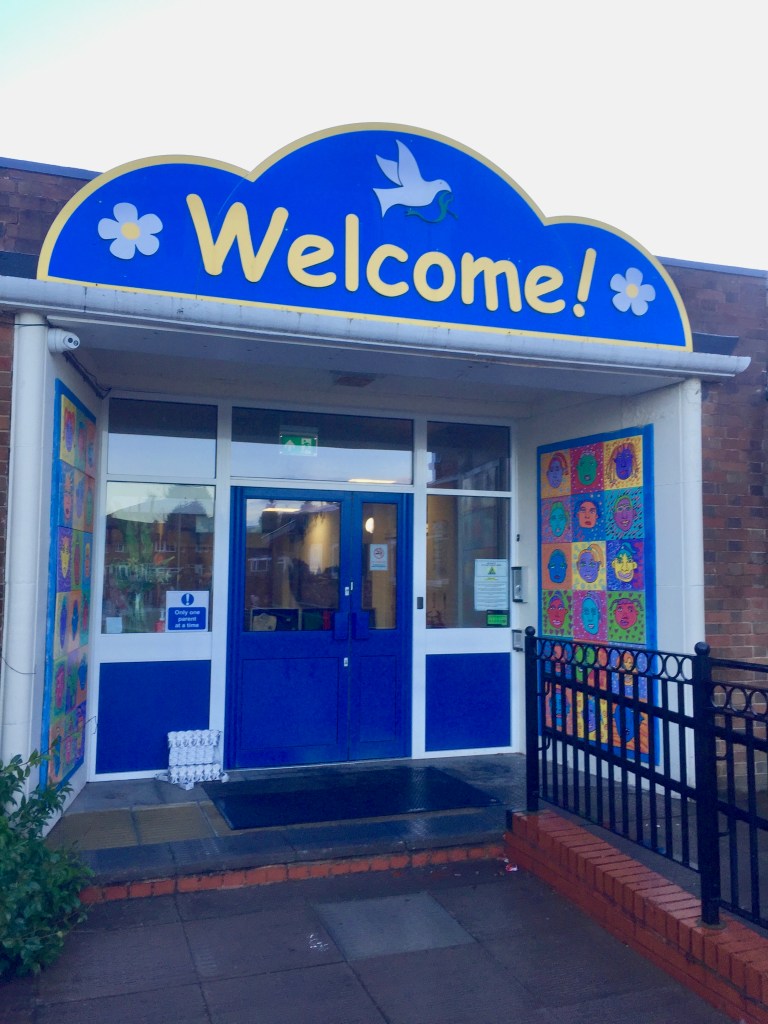
Gill told us that while many middle-class children may have easy access to ballet, the theatre and the wider arts, her mission is to provide ‘brilliant opportunities’ – high quality arts experiences that children have the right to access. As an arts-rich school for all of Gill’s 20 years as Head, the arts were enriching the school and transforming individual lives.

For example, one student had been taught some photography techniques by a teacher. He then went on to win a photography competition.

Every year, parents and carers attend the ‘Music for a Summer’s Evening’ concert in which at least a quarter of the children are involved (after auditions!). Teachers dress in posh clothes and local dignitaries attend. The audience has learned to take the event seriously – parents now stay until the end, watch all of the students perform, and clap after each act.
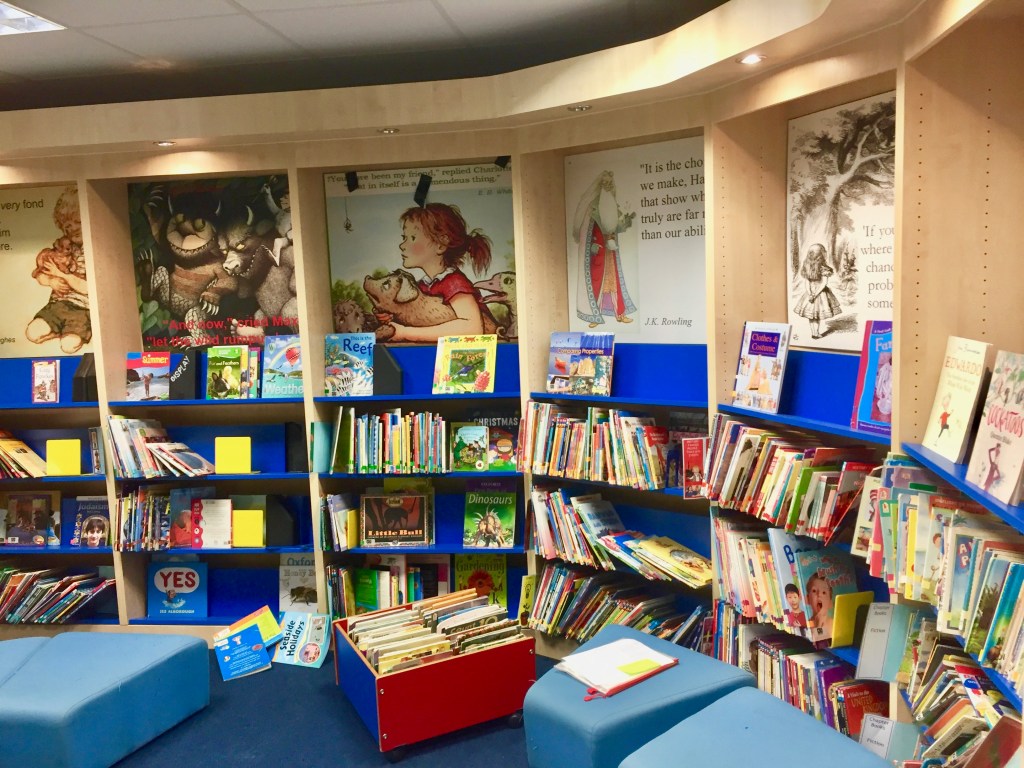
While Gill talked of the precarity of having arts specialisms driven by just one person, she has been keen to share her passion and knowledge by setting up ArtsLink, a network for Birmingham primary arts teachers.

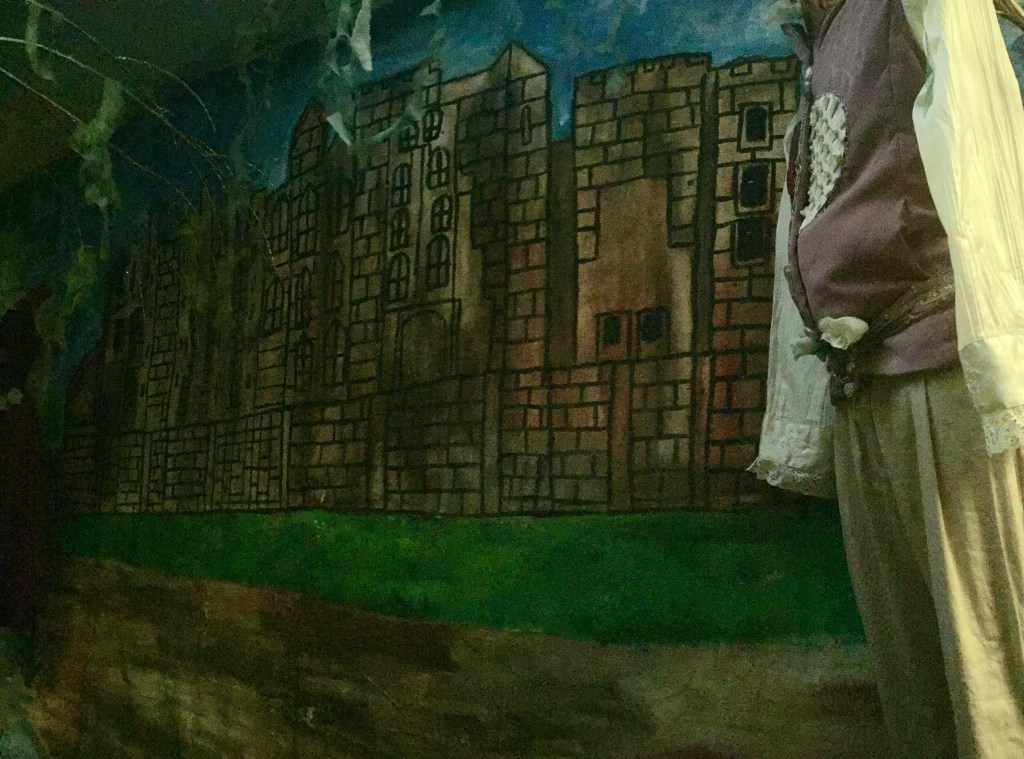
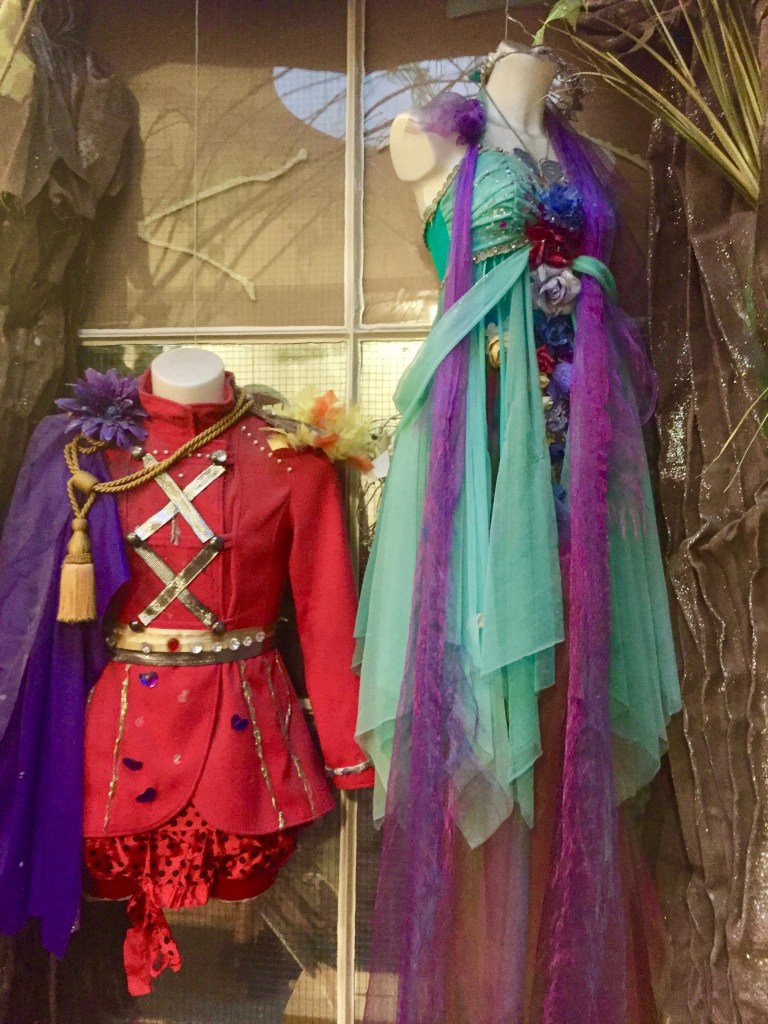
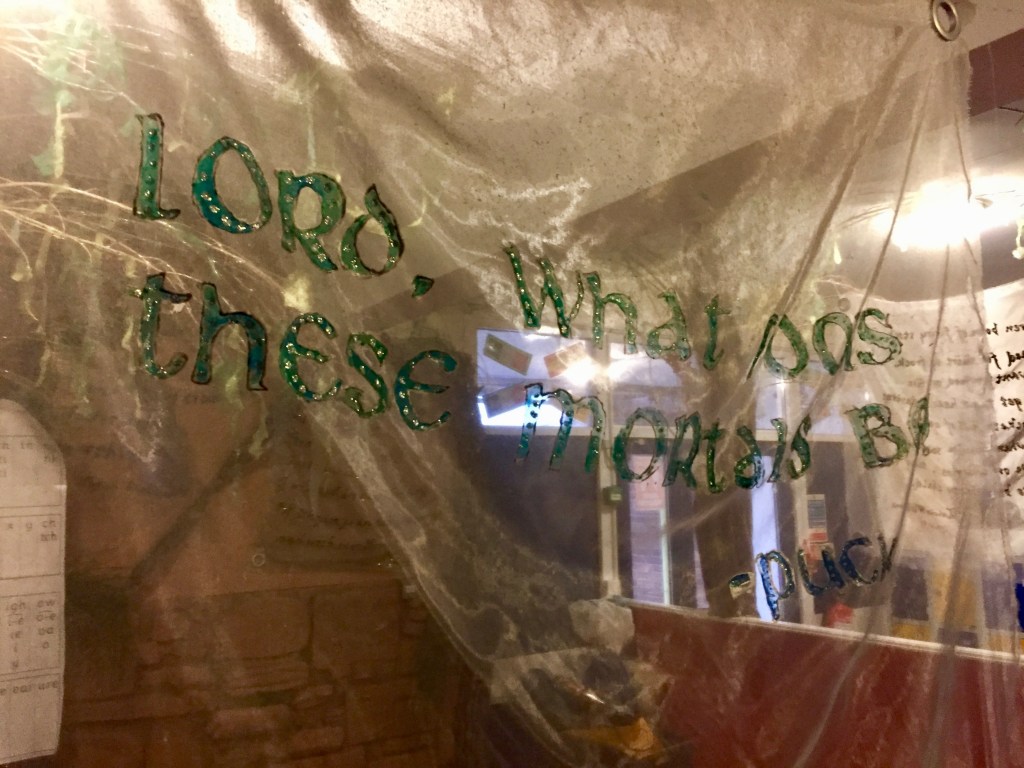
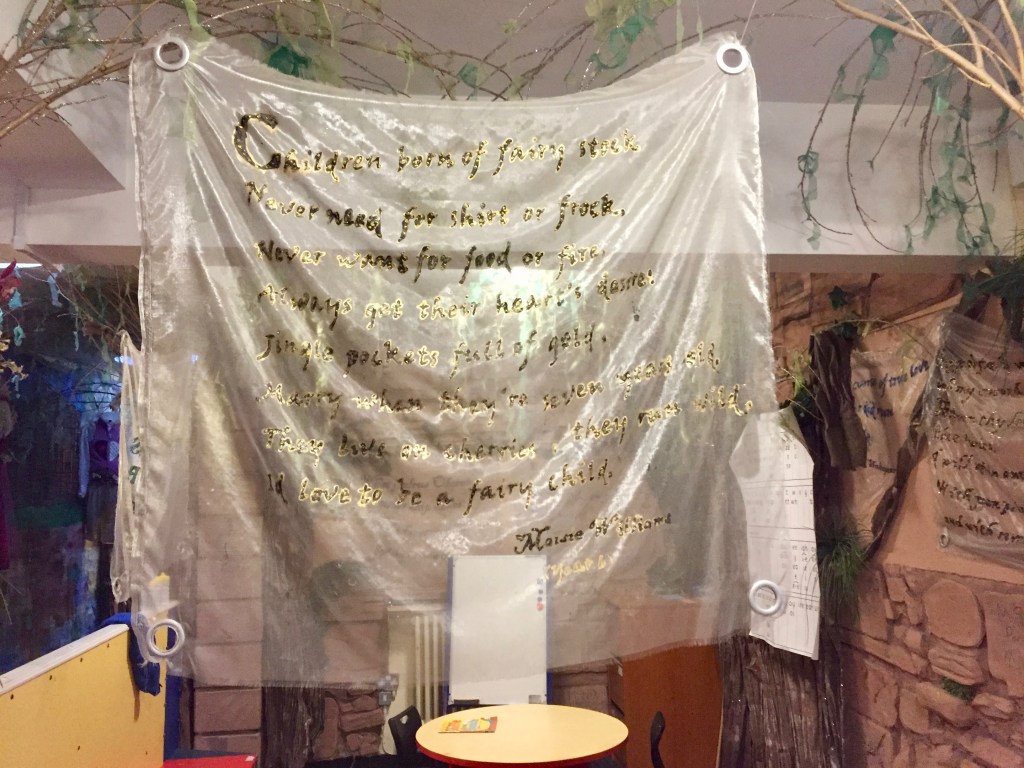
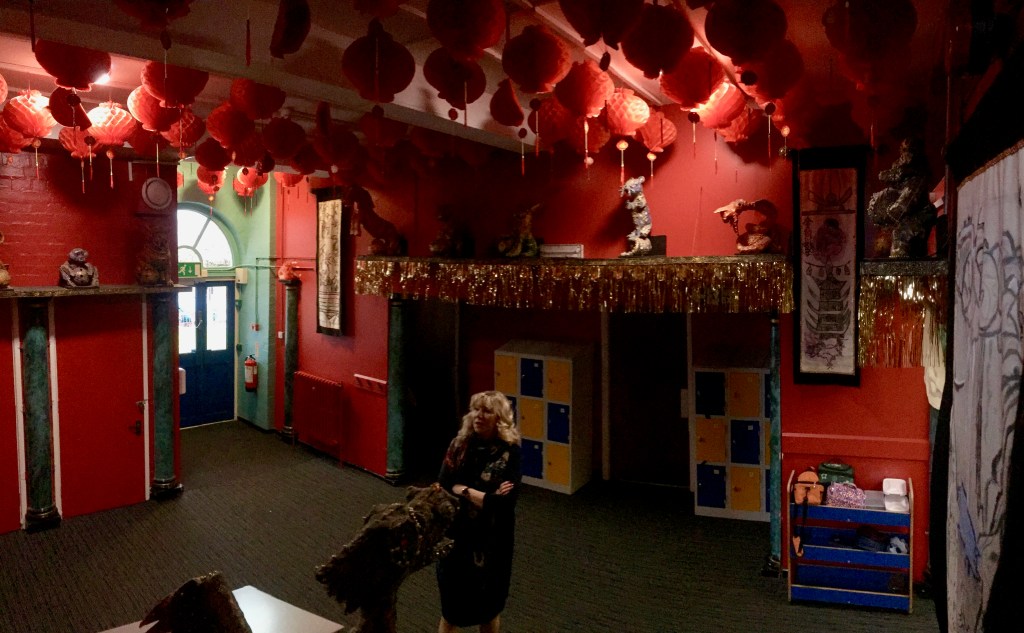
The immersive environments in the school, produced through weekly workshops with arts professionals, themed around A Midsummer Night’s Dream (corridor installation, costume design, banners, performance, etc) and a Chinese Temple are lasting testaments to Gill’s commitments to an arts-rich education. 
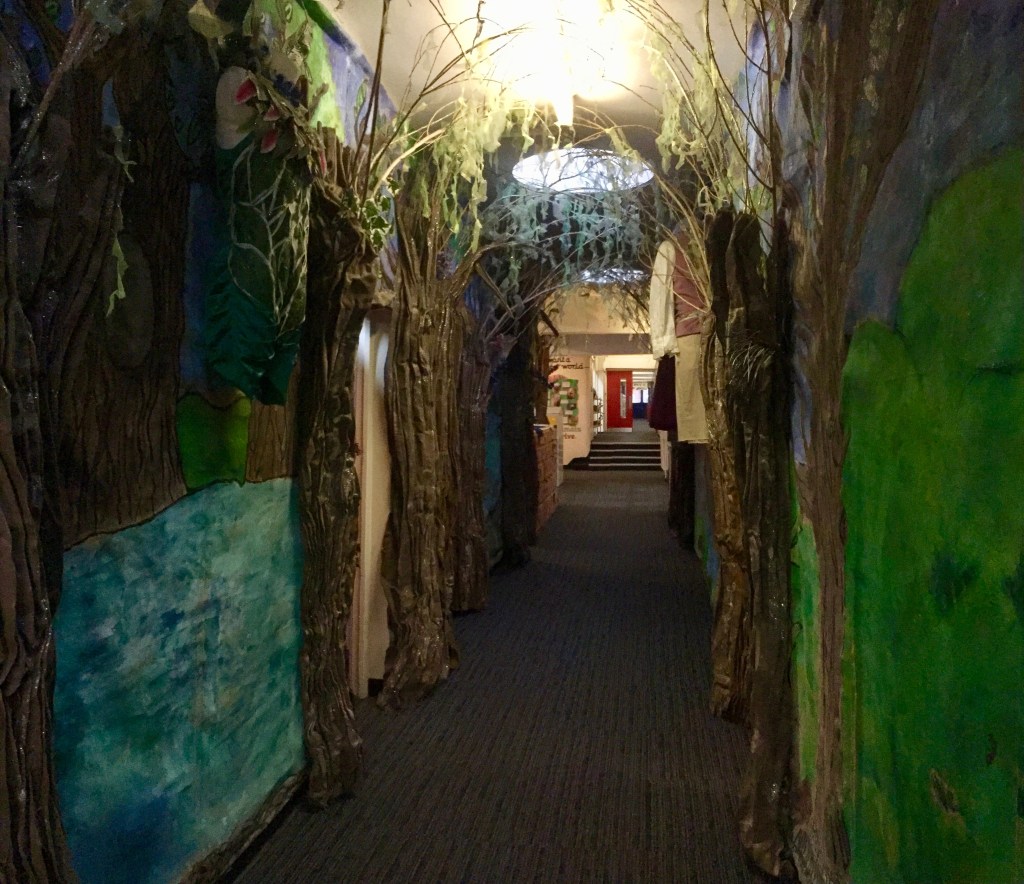
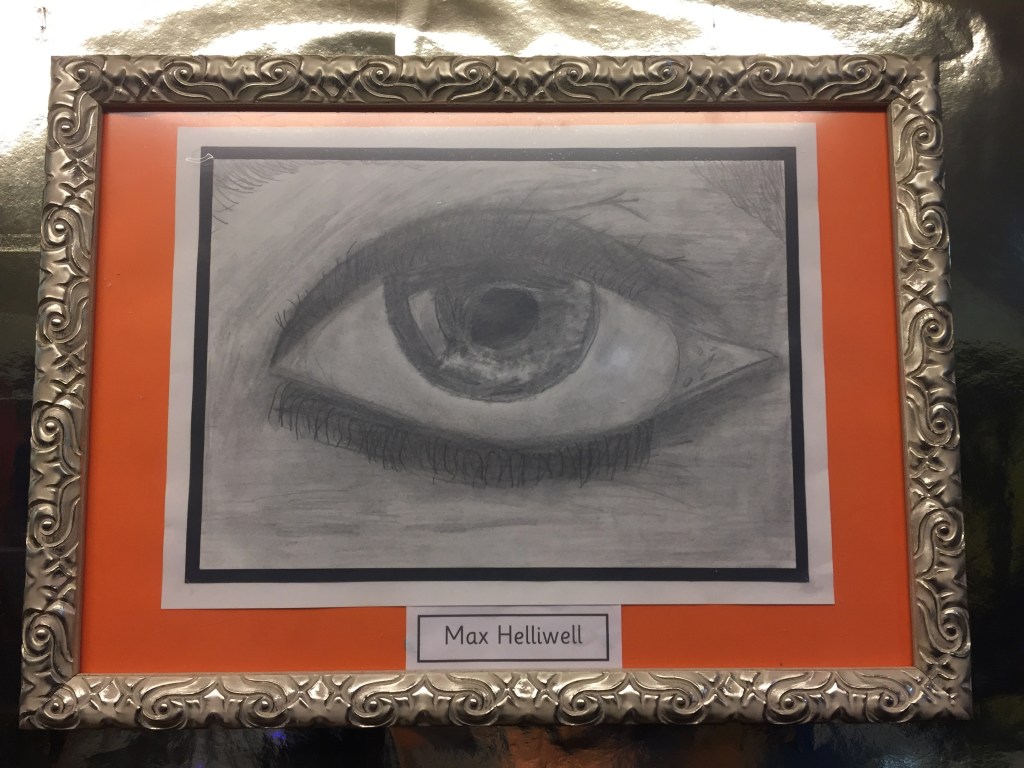
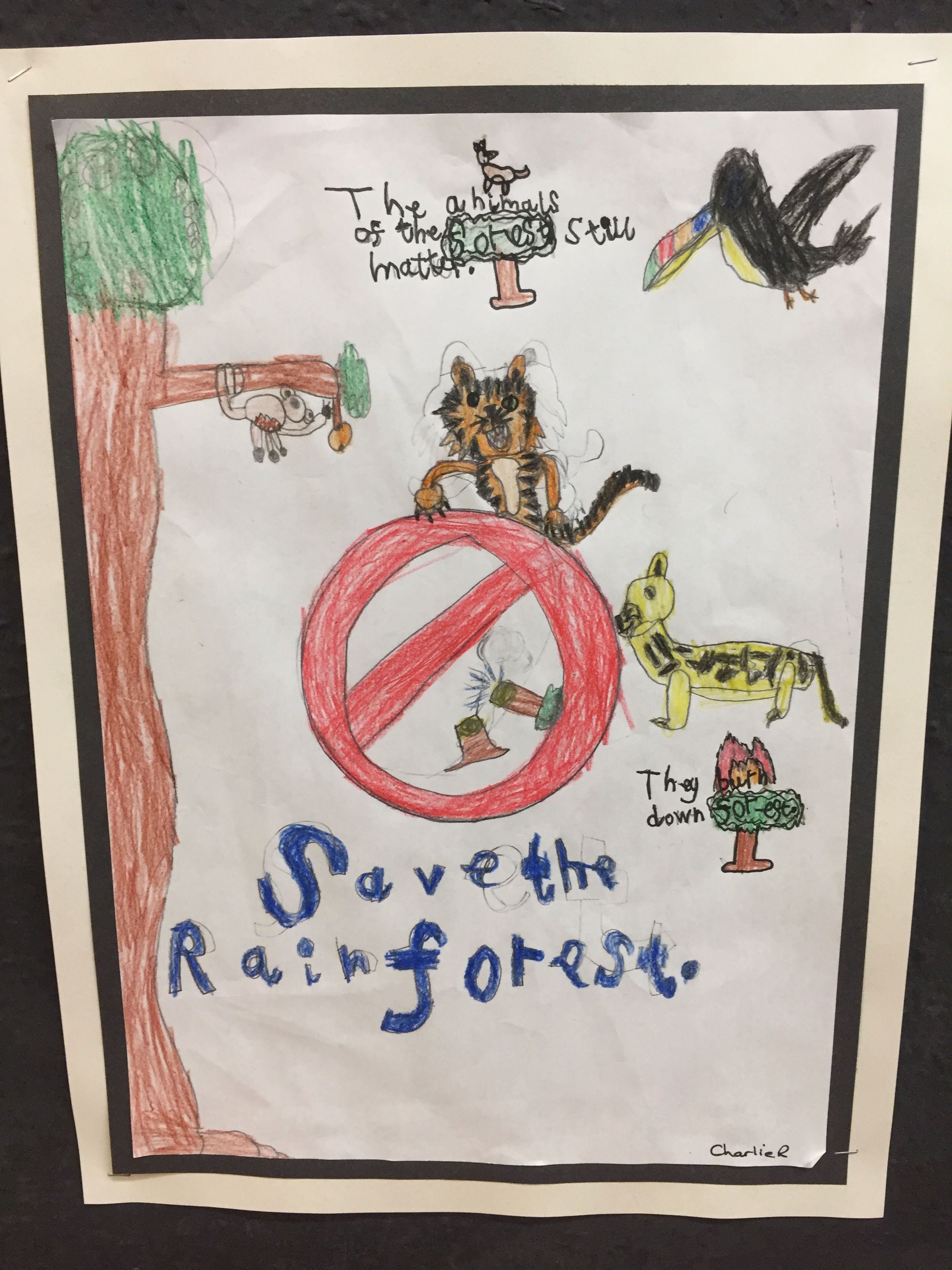
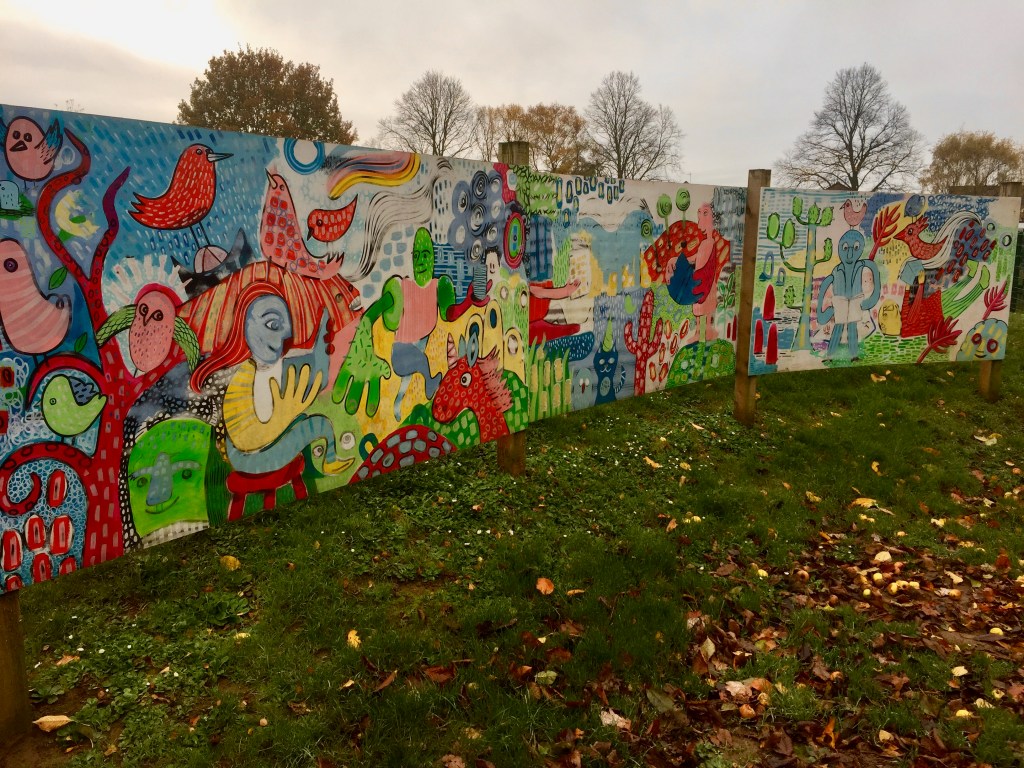
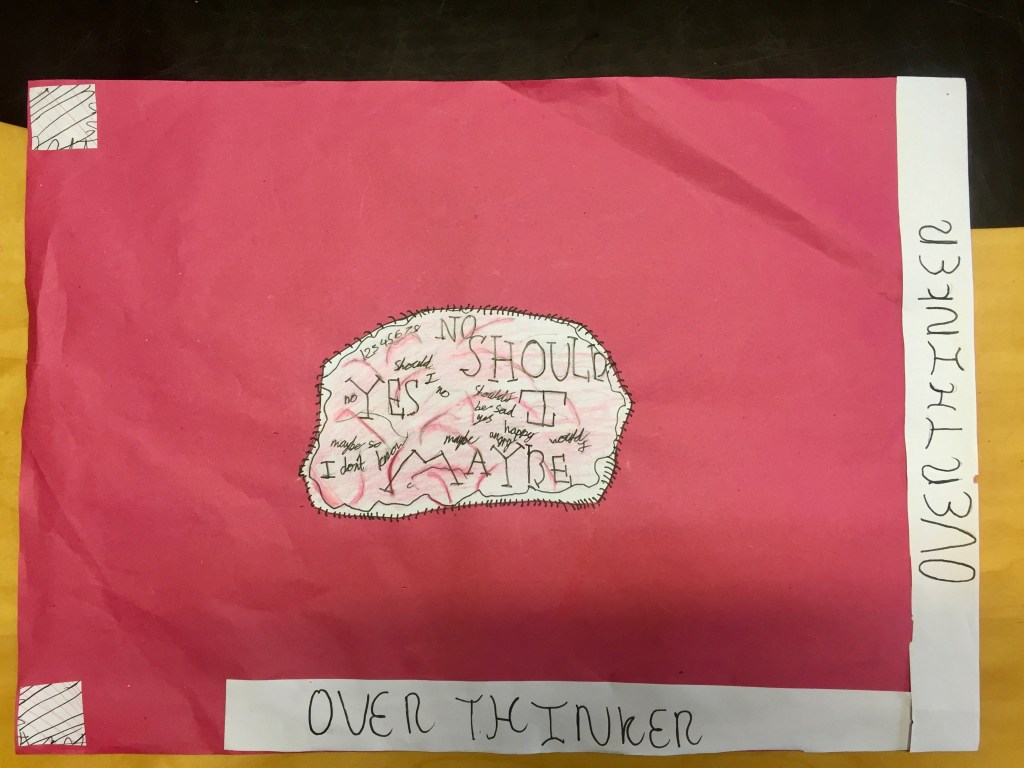
The students’ enthusiasm for music, drama, and the wider performing arts were matched by the liveliness of their sketchbooks and by the art works on display around the school. 
So, in the words of one of the songs from The Birmingham Cantata:

Ignite the torch and lead the way. The light spreads far and wide.

Opens eyes and strengthens ties. Forward to the future.

Thanks to Head Gill Sparrow and Music and Drama lead Keith Farr for their warm hospitality and insights into their arts-rich school. Thanks also to all of  the students we met and interviewed.

You may also be interested in reading our recently-published Art, Craft and Design Rapid Evidence Review – a survey of published scholarly literature on art, craft and design in education.

Suffragettes, STEAM and Sustainable Development at Torriano Primary

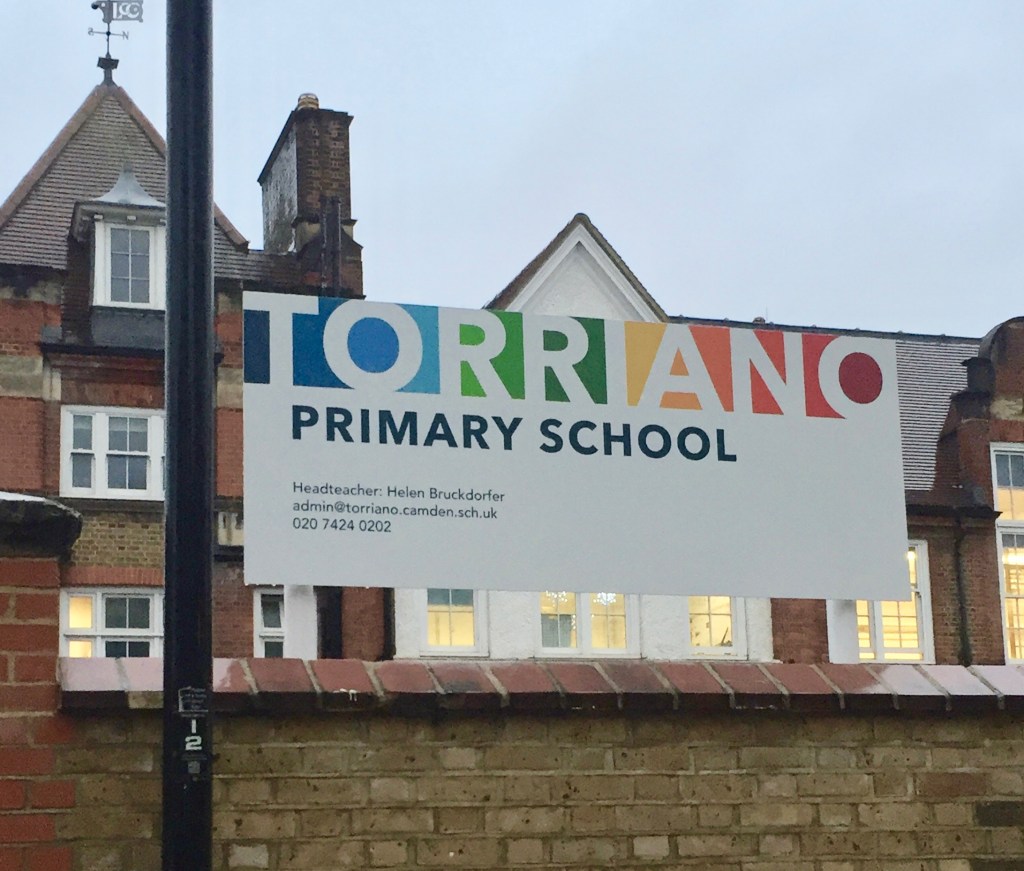
Torriano is a Rights Respecting arts-rich primary school in the Camden/Kentish Town area of London. With a socially and economically diverse community, this school values the rights of all children. 

Since 2009, the school has been part of this UNICEF initiative to embed the rights of children and young people’s in their practice and ethos. This means that much of the curriculum, learning and school dialogue are framed by the 42 Articles. For example, Article 29 states that ‘Education must develop every child’s personality, talents and abilities to the full.’  

The work displayed around the school reflects both an understanding of these rights of the child and the school’s strong focus on the UN Sustainable Development Goals (SDGs). In practice, this means that many of the works of art and creative products that we saw on our visit had SDGs and articles referenced. This ensures that everyone can clearly see which issues and Articles are being addressed.  

Our lead for the day was Kat Branco, Head of Curriculum, Culture and Innovation and Year 6 teacher, with a degree in philosophy, a professional background in charities and non-governmental organisations, currently studying for a Masters in education policy. 

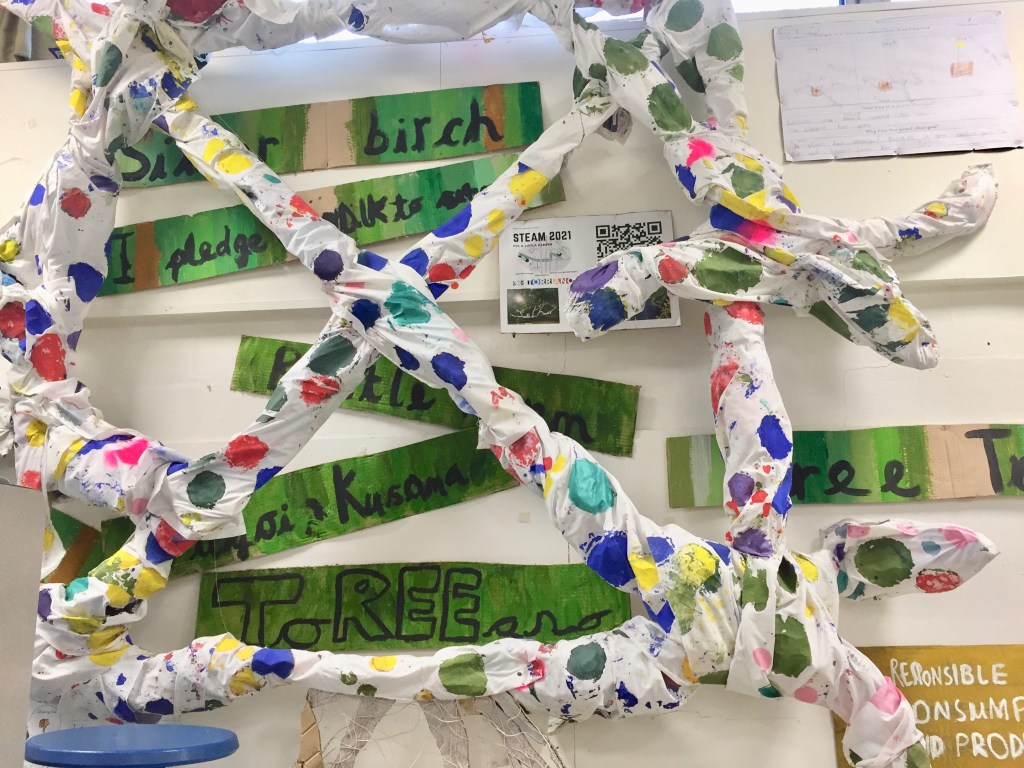
On our guided tour, we saw a number of these large Suffragette banners on the walls. Gender equality signs (SDG 5) appeared on a number of the displays we saw, hilighting the legacy of work on gender equality. 

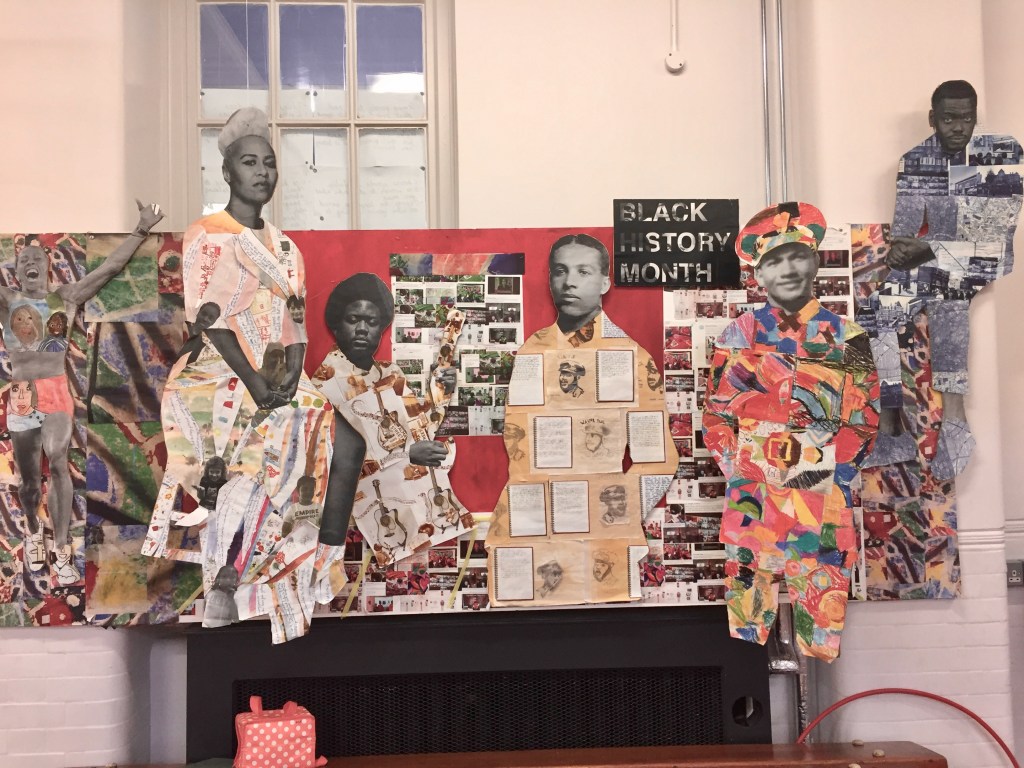
There were large displays of Black History Month art work in the main hall. One project focused on a soldier from World War 2, others on local artists Michael Kiwanuka and Daniel Kaluuya. Daniel is an alumni of the school and spoke to the children from Hollywood in 2020.  

The students had also recently done work based on the French Tunisian artist JR who creates community based participatory art works, often with a socially political theme. The students, supported by the school’s Artist-In-Residence Jim, adopted JR’s black and white cut and paste aesthetic to create (sometimes huge) self-portraits. These represent who the children are ‘Proud To Be’ and link to the 2021 Black History Season national focus.

Torriano was full of plants! The school had worked on projects based on sustainability, green energy, recycling, urban regeneration, bees, cleaning up the air, and making art out of rubbish. Recycling, re-using and rewilding are evident across the school, both inside and out. 

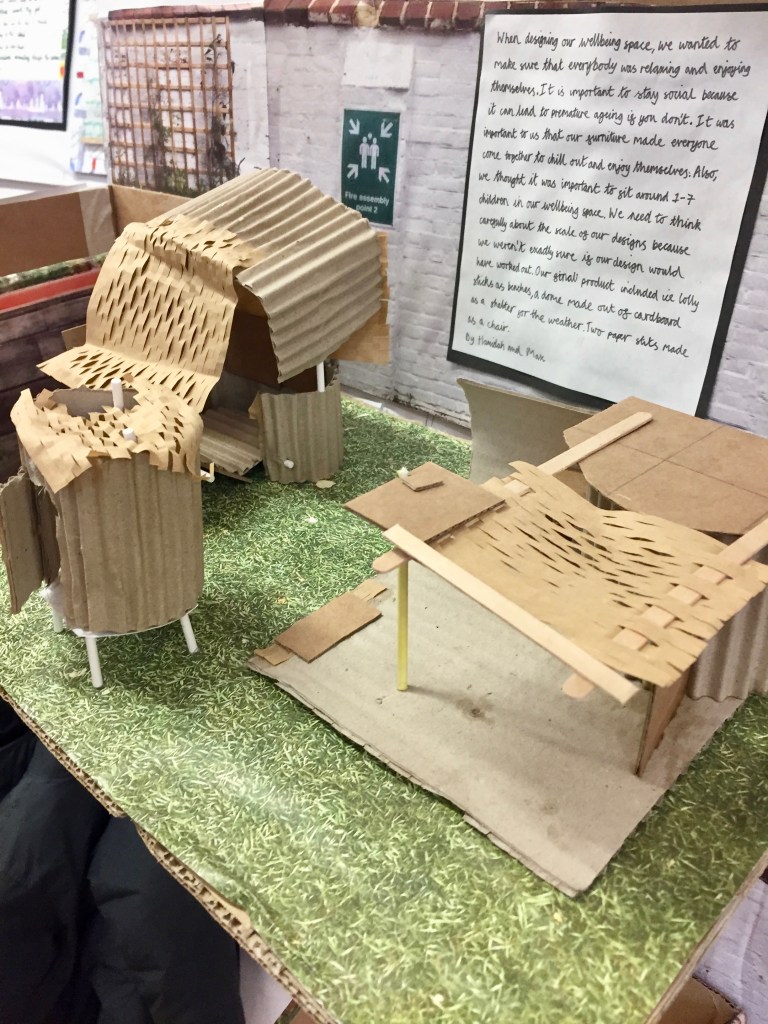
Students had created a ‘Harnessing the Sun’ machine as a way to use solar energy for ‘Repowering Torriano’. This was their Year 4 STEAM (Science, Technology, Engineering, Art and Maths ) project focus in 2021, linked to their Electricity science unit.  

The school also has a vegetarian ‘Earth Kitchen’ – a separate building which the children use for Food Technology lessons every half term. Fortnightly, the Waste Food Café opens; left over food from the school canteen is used to make nutritious smoothies.

As you have probably guessed, there was strong focus on STEAM. We have read all about how the Arts could be seamlessly integrated into a curriculum that also covers Science, Technology, Engineering and Mathematics. In fact, we have recently finished a 3-month Rapid Evidence Review which included us looking at STEAM education from all over the world. Torriano showed us exactly how well this could work in a primary school.

These displays in the large main hall use art, craft and creativity to explore issues that combine maths, coding and computing, as well as historical and social context.  

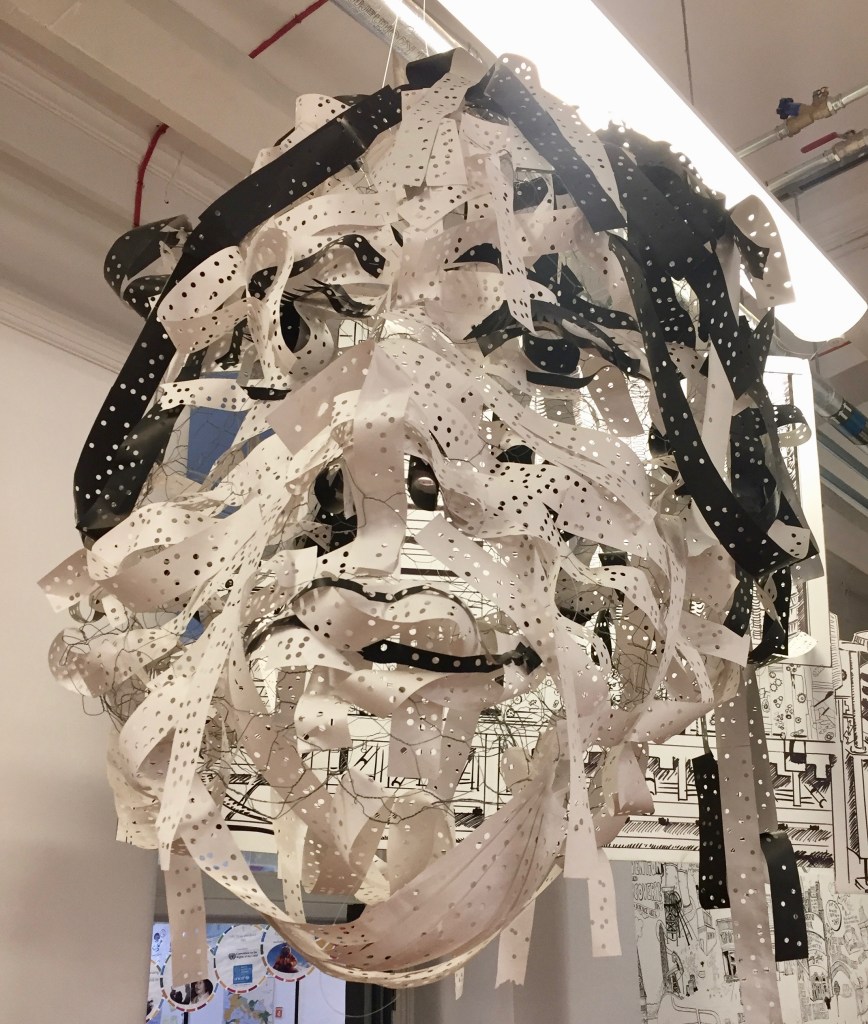
This large head is Ada Lovelace, created to celebrate her crucial role as the first computer programmer, algorithm writer and skilled mathematician. The students had made Ada from long hole-punched strips of paper, imitating the first coding from the Analytical Machine. In class, they had also created hole-punched card computers and other work on the topic. Fans of Ada will know that her mum was also a mathematician and her Nottinghamshire-based (like us) father was a poet. Ada was breathing STEAM before it became popular! This was a good example of how learning about historically significant polymaths could help to give context to coding lessons for all children. 

While giant heads and sun-capturing machines are eye-catching products that showcase the behind-the-scenes learning processes, we were excited to see a number of (again, sometimes large) displays which used art, design and creativity to make exploratory processes visual, and to show how parts of systems connect. The students had created these biological artistic info-graphic pieces based on the work of Fritz Kahn. 

Referring to Torriano’s arts-integrated curriculum, Kat said: ‘It helps us understand new ways of thinking, ways that we didn’t necessarily think of before’. She stressed the need for the various dance, animation and other projects to be linked to a meaningful context.

Executive Head Helen Bruckdorfer explained how the arts were perfect for making complex issues such as social justice, inequality and citizenship understandable and tangible. She talked of the arts’ role in developing the advocacy and agency of the students, and of promoting their right for self-expression and their right to be heard.

Ongoing plans are looking to further develop and create more meaningful partnerships with local schools, parents, communities, and the many cultural organisations that are within a short bus ride of the school. We wish them well. 

Thanks to Head of Curriculum, Culture and Innovation Kat Branco for organising and hosting our visit, and to Executive Head Helen Bruckdorfer (on Zoom) and Head of School Holly Churchill for their sharing their insights.  

You may also be interested in reading our recently-published Art, Craft and Design Rapid Evidence Review – a survey of published scholarly literature on art, craft and design in education.
Beneath the streets and above our heads: London’s Soho Parish Primary

In this phase of our RAPS project, we are visiting 40 arts-rich primary schools all over England. Apart from their distinctive arts-richness, our schools were chosen (from a much longer list of recommendations from arts bridge organisations) for their diversity. We have deliberately selected a variety of locations (urban, suburban, seaside, rural), counties, types (academies, faith schools, free schools, etc.), sizes (from less than 100 students to over 700), demographics (affluent, deprived, a combination – economically and culturally) and interesting arts curricula, pedagogies and ways of timetabling. Our job is to capture the uniqueness of each school with all its opportunities and challenges. RAPs project leader Pat Thomson refers to the ‘thisness’ of educational institutions.

With all of that in mind, let us introduce you to Soho Parish Church of England Primary, situated in the heart of London’s West End.

The school  is linked to the 450-year-old St Anne’s Church, a 4-minute walk down Wardour Street and Old Compton Street. The church gardens are often used for outdoor learning, so much so that an ‘Art Loo’ has been installed that only students from the school can access with a special key.

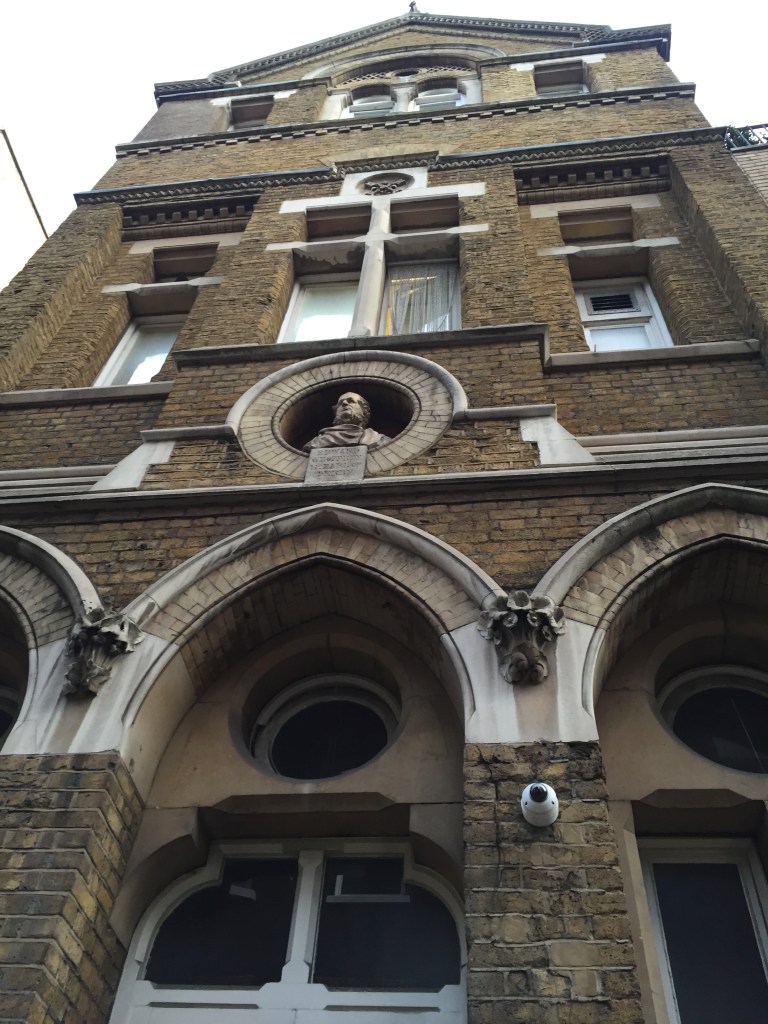
Now a tall Victorian building built in the 1870s, Soho Parish is situated on the corner of a busy block of offices, bars and shops. There is evidence that there has been a local school since the 1600s. One side of the school has ornate architecture, the other, a plain doorway. We suspect that most people may walk past daily and not know that the school was there. Staff told us that, for as long as anyone can remember, Soho Parish has been an arts-rich school. 

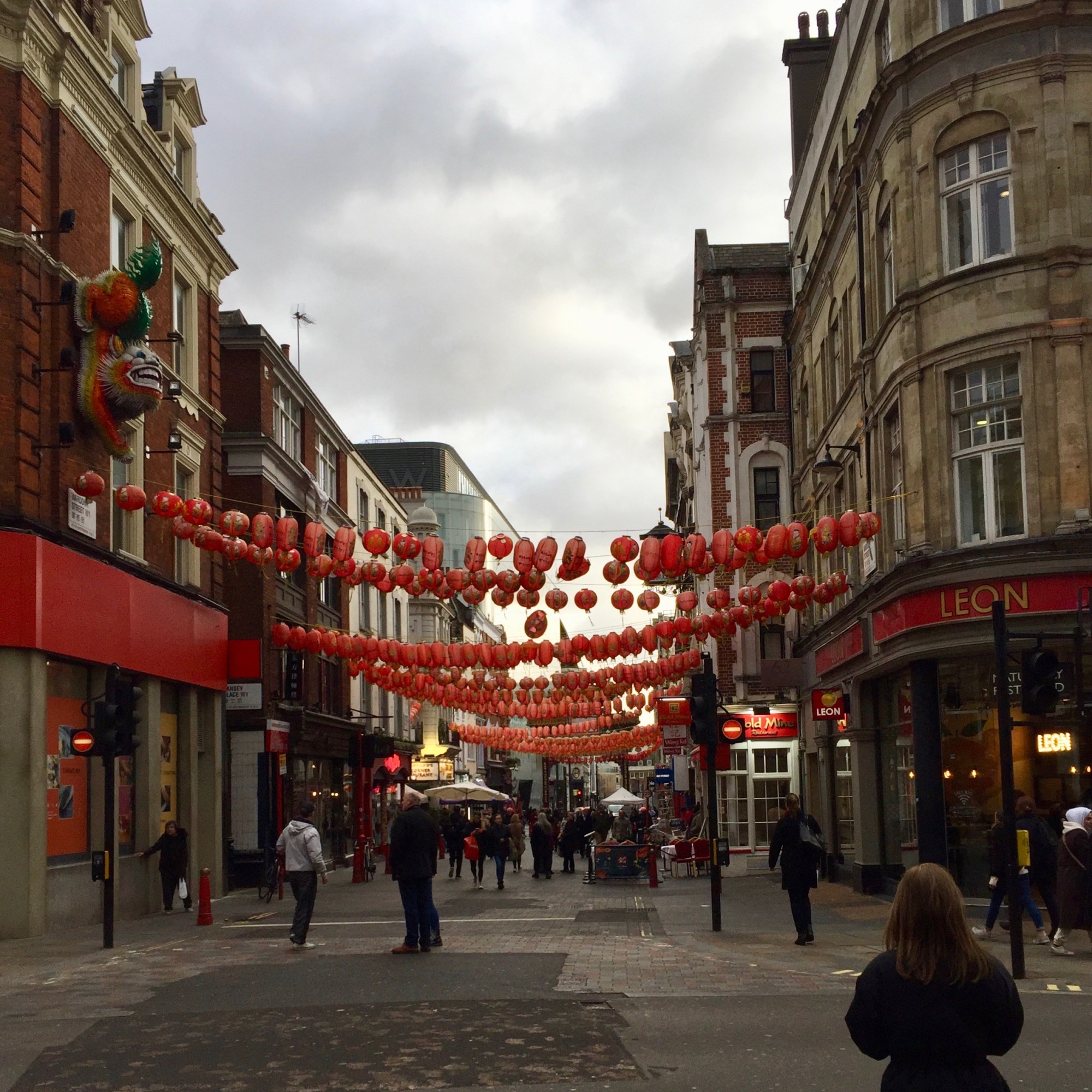
The school rubs shoulders with the many nightclubs, theatres, performance venues, cabaret bars and visitor attractions that characterise Soho and the immediate area. 

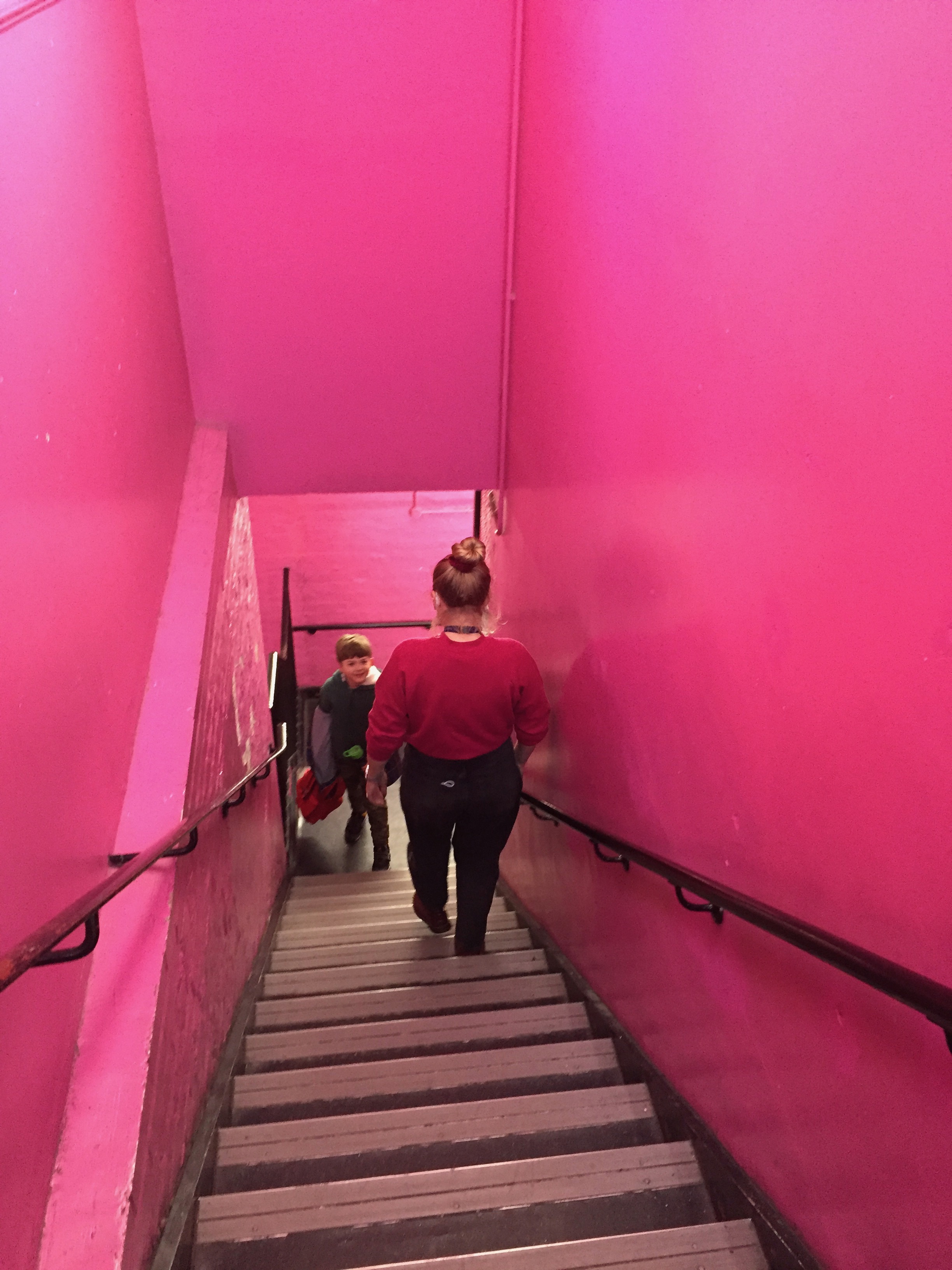
Inside, the school is a maze of brightly-coloured corridors and staircases (so you can tell which area you are in) and has retained many original features – high ceilings and school bells.

Soho Parish school hall

There are three floors above ground and one below. It amazed us to think that the main Hall, the music room and other spaces were beneath the busy streets and pavements.

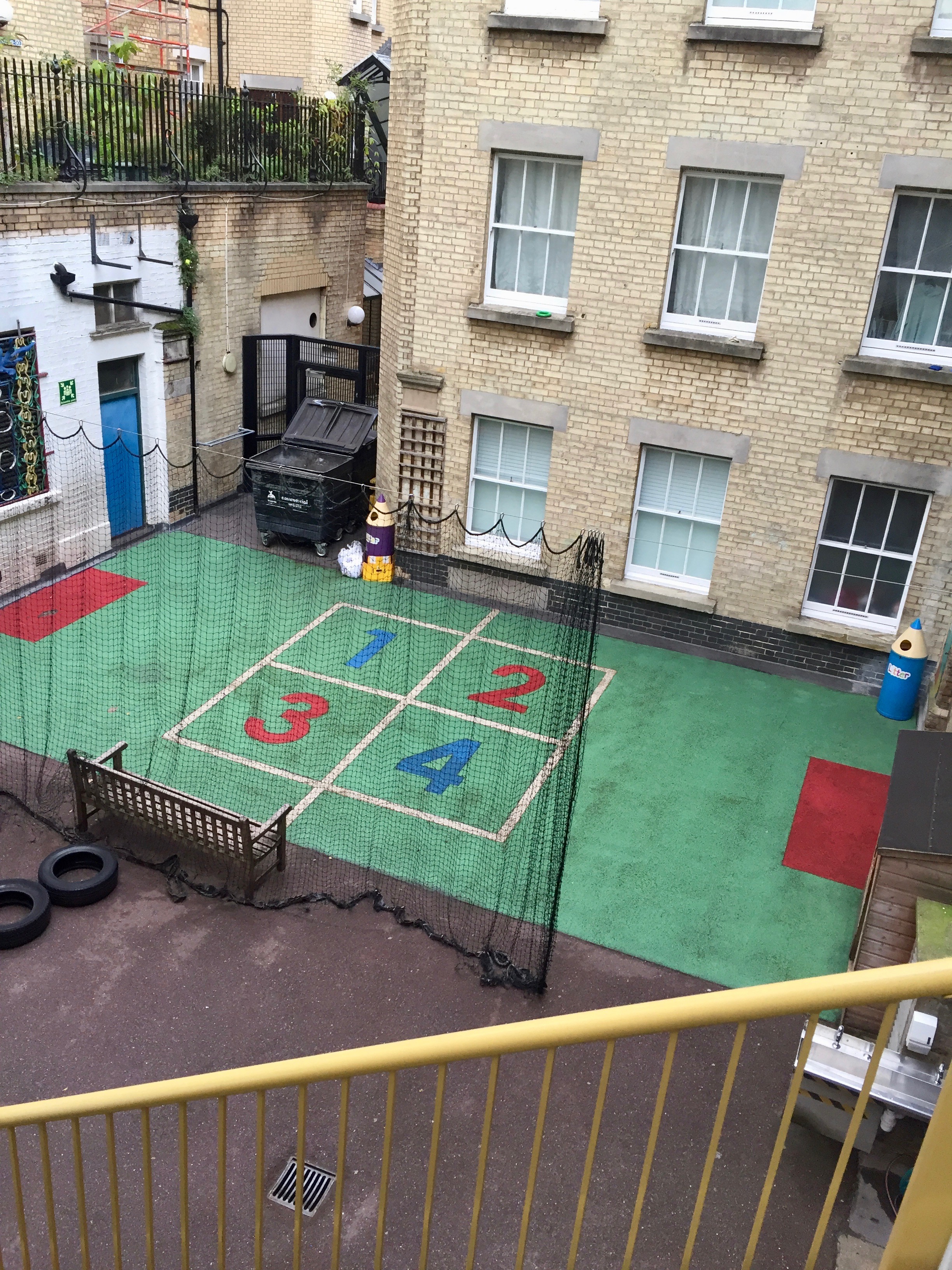
View from the playground

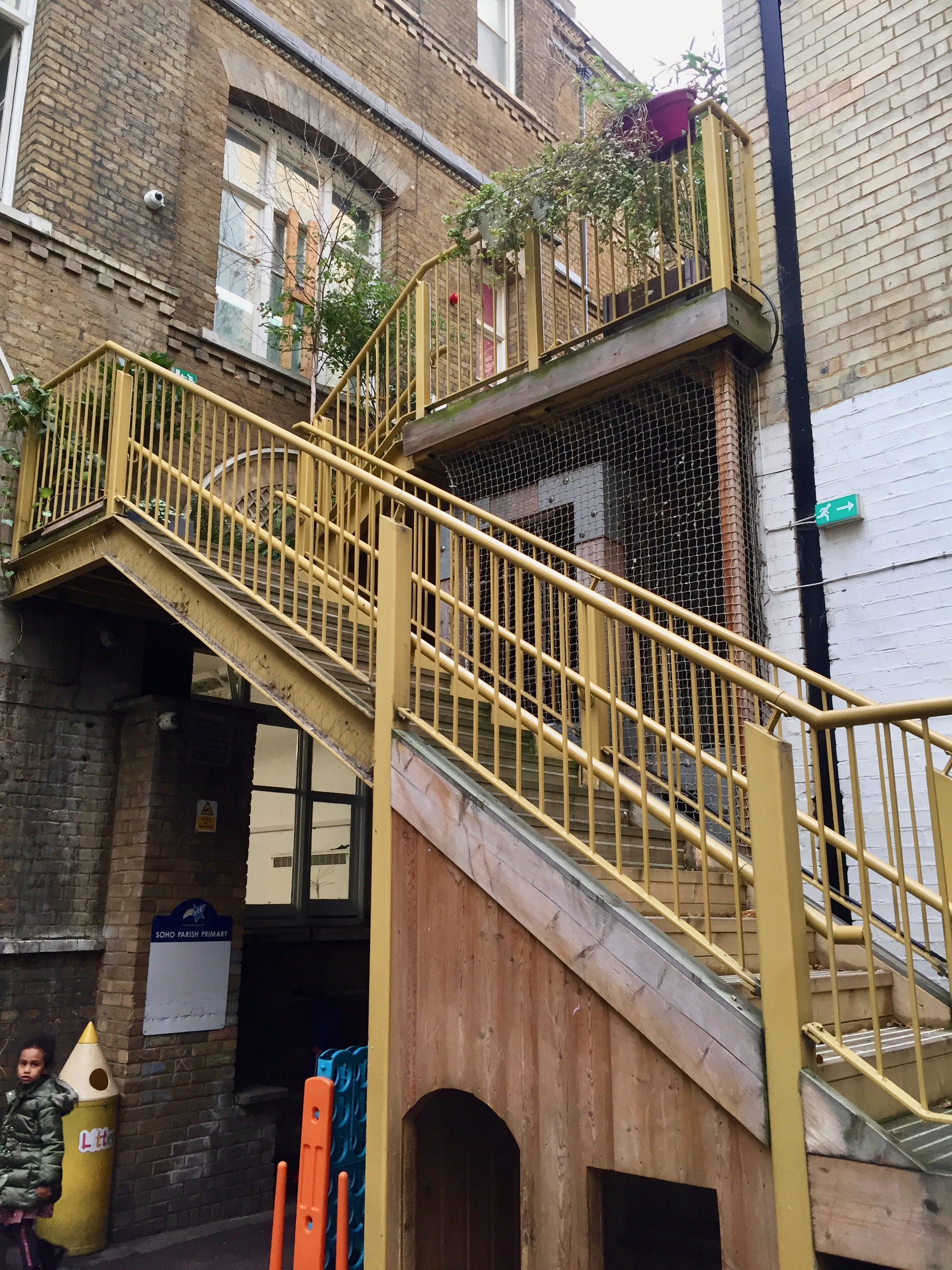
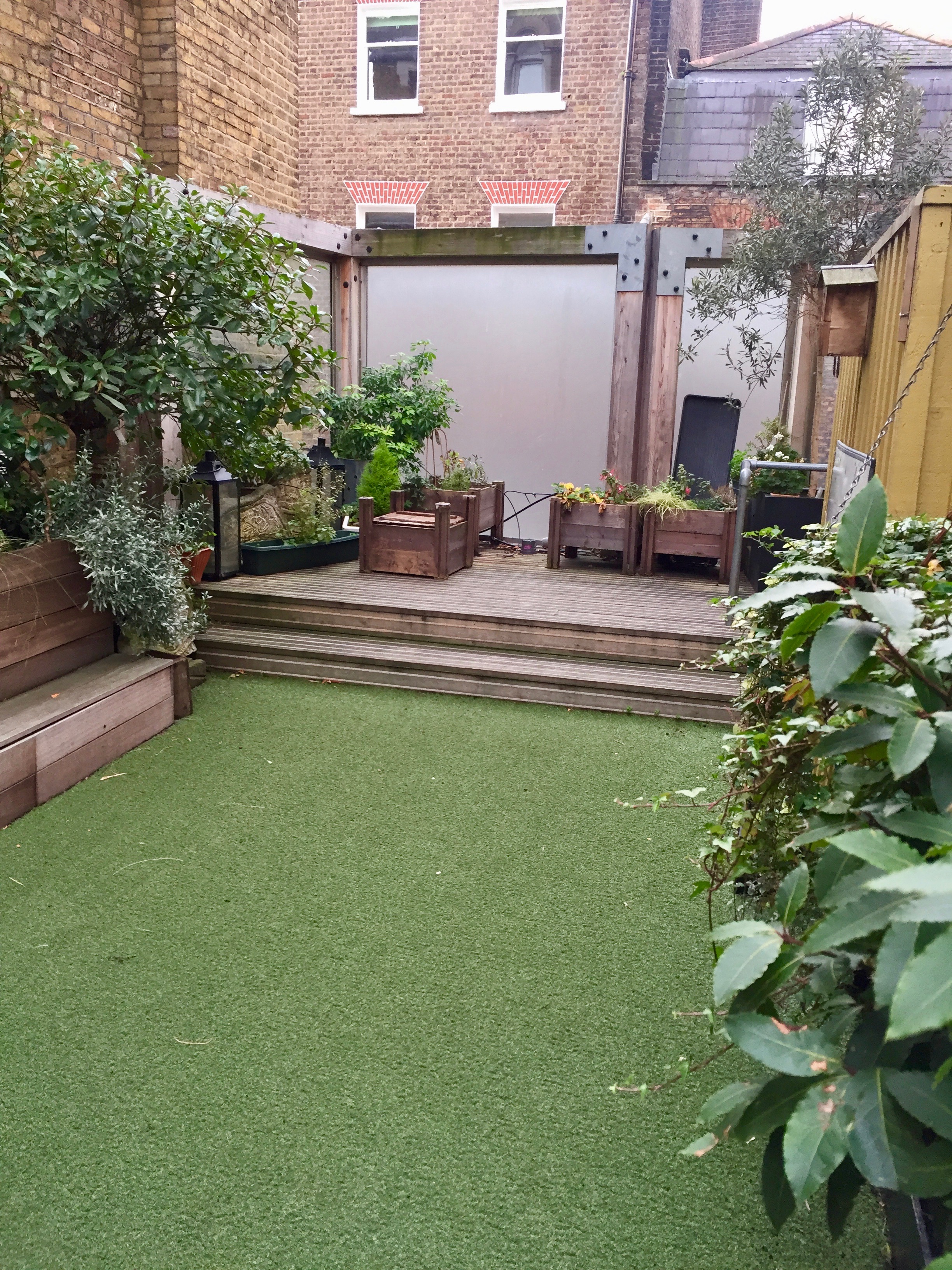
Standing in the small playground, we were surrounded on every side by offices and tower blocks which are a mix of private and social housing.

Innovatively, the playground had been extended upwards with a multi-level structure made of netting, ropes, decking and a roof terrace.

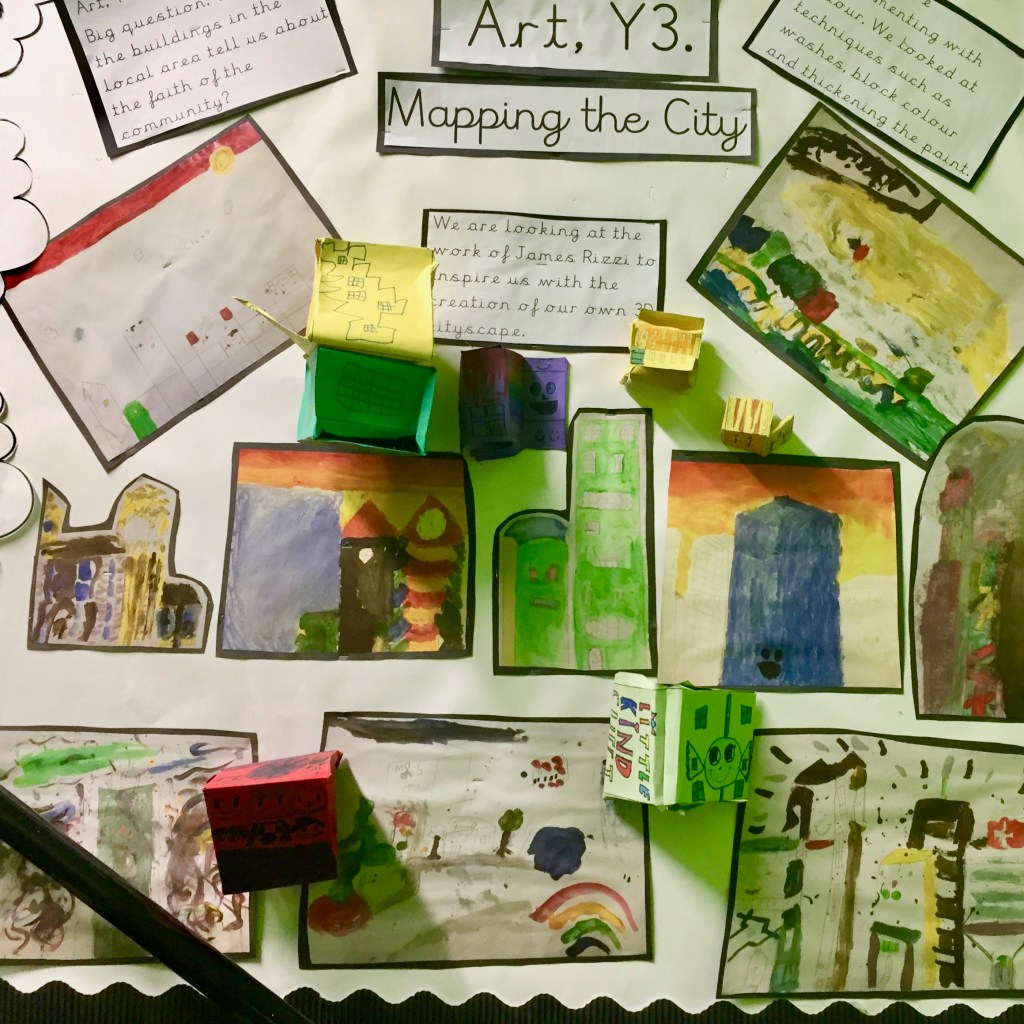
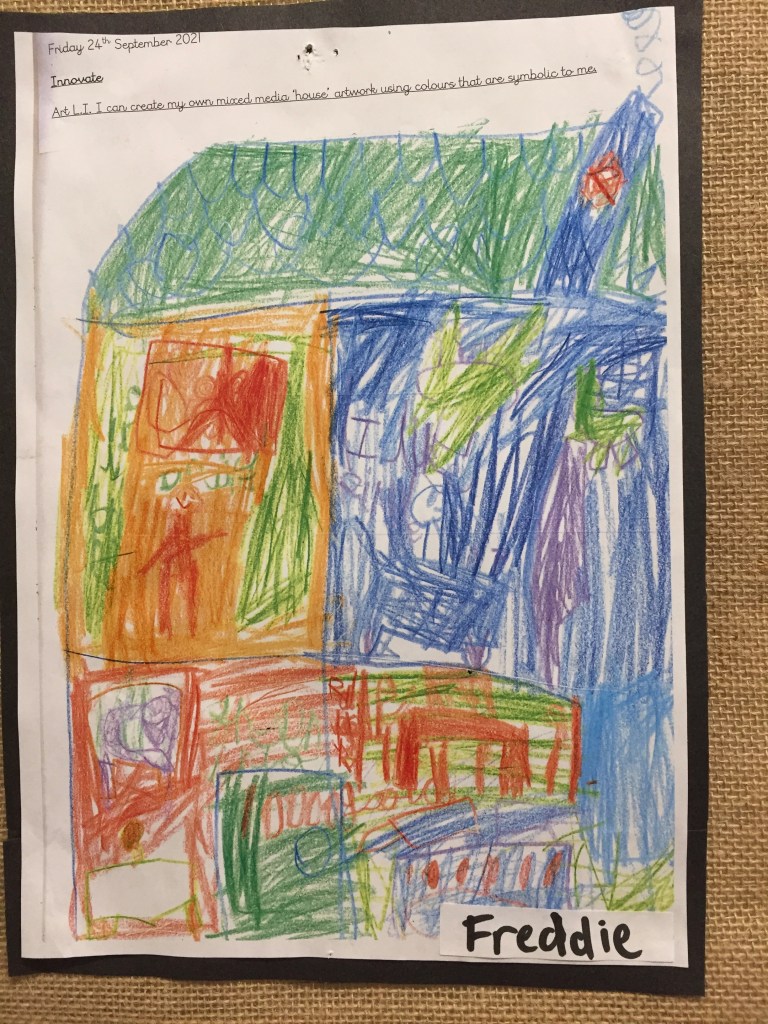
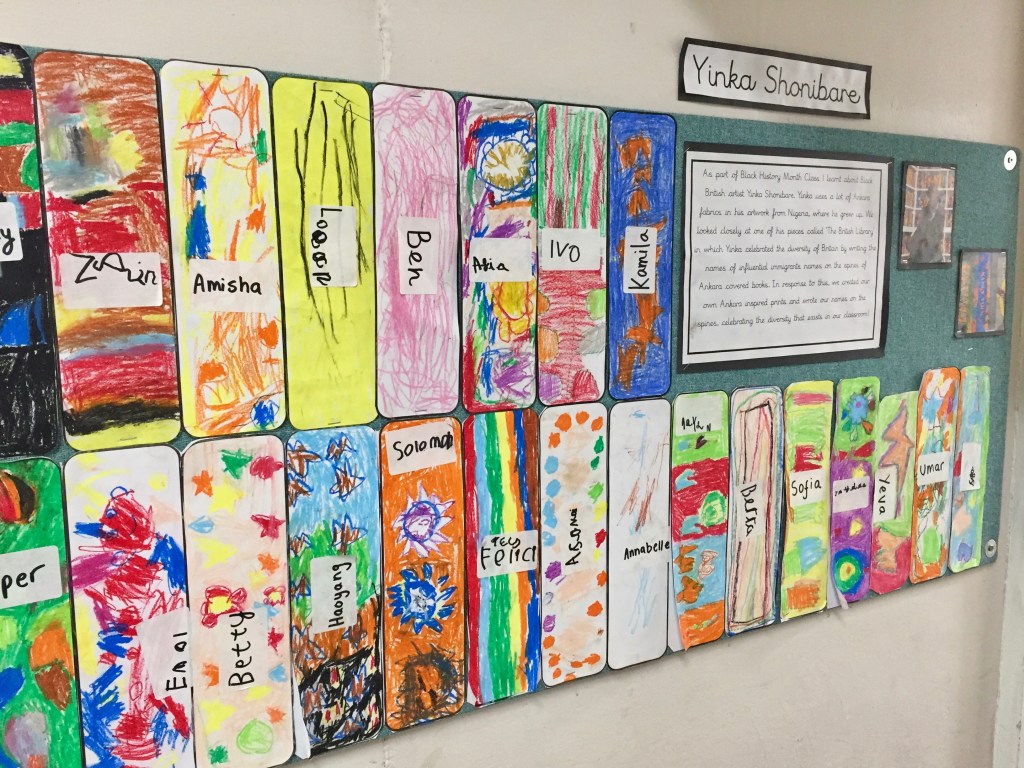
However, an unusual location and a quirky building alone are not enough to make it onto our list! Arts lead Hannah Peaty showed us some of the students’ art work – based on the work of James Rizzi (‘Mapping the City’), the alien book character Beegu (about the idea of home) and the British/Nigerian artist Yinka Shonibare (a library of individual book spines), and others.

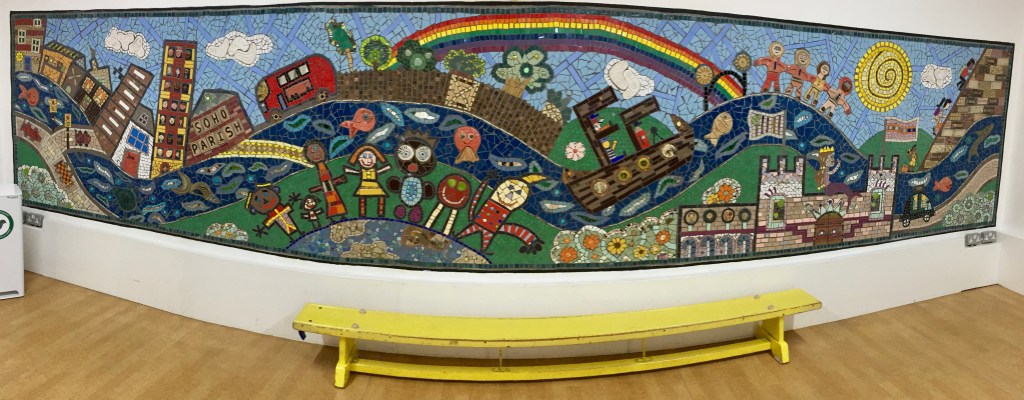
Students from all year groups had also helped to make this impressive wall-sized mosaic that reflected their diverse backgrounds and the local environment.

Large mosaic

Three years ago, Hannah set up a network for arts teachers in Westminster schools which now links the school to the Craft Council, the Primary Shakespeare Company and other partners. She spoke of the benefits that an art-rich curriculum can offer the students – self-confidence, self-esteem, self-expression, and the creativity that helps them think outside the box and make connections.

While the school faces specific challenges (like other Westminster primaries, applications are down by 25%), the countless museums and galleries within walking distance, or a short hop on the bus, provide Soho Parish with perhaps unparalleled cultural learning opportunities for primary school children.

For example, Hannah told us how the Year 6s do a yearly scriptwriting project with the Soho Theatre in which professional actors perform the students’ scripts. We learned how the West End theatres sometimes offered the school unsold tickets for matinee performances. Staff spoke about links with the National Gallery and, more unusually perhaps, art and design projects with the London Transport Museum. In addition, the school choir had sung at the Christmas tree lights switch-on at Downing Street. Like one or two other staff on our visits, Hannah told us that she politely has to decline some of the many offers of projects and partnerships.

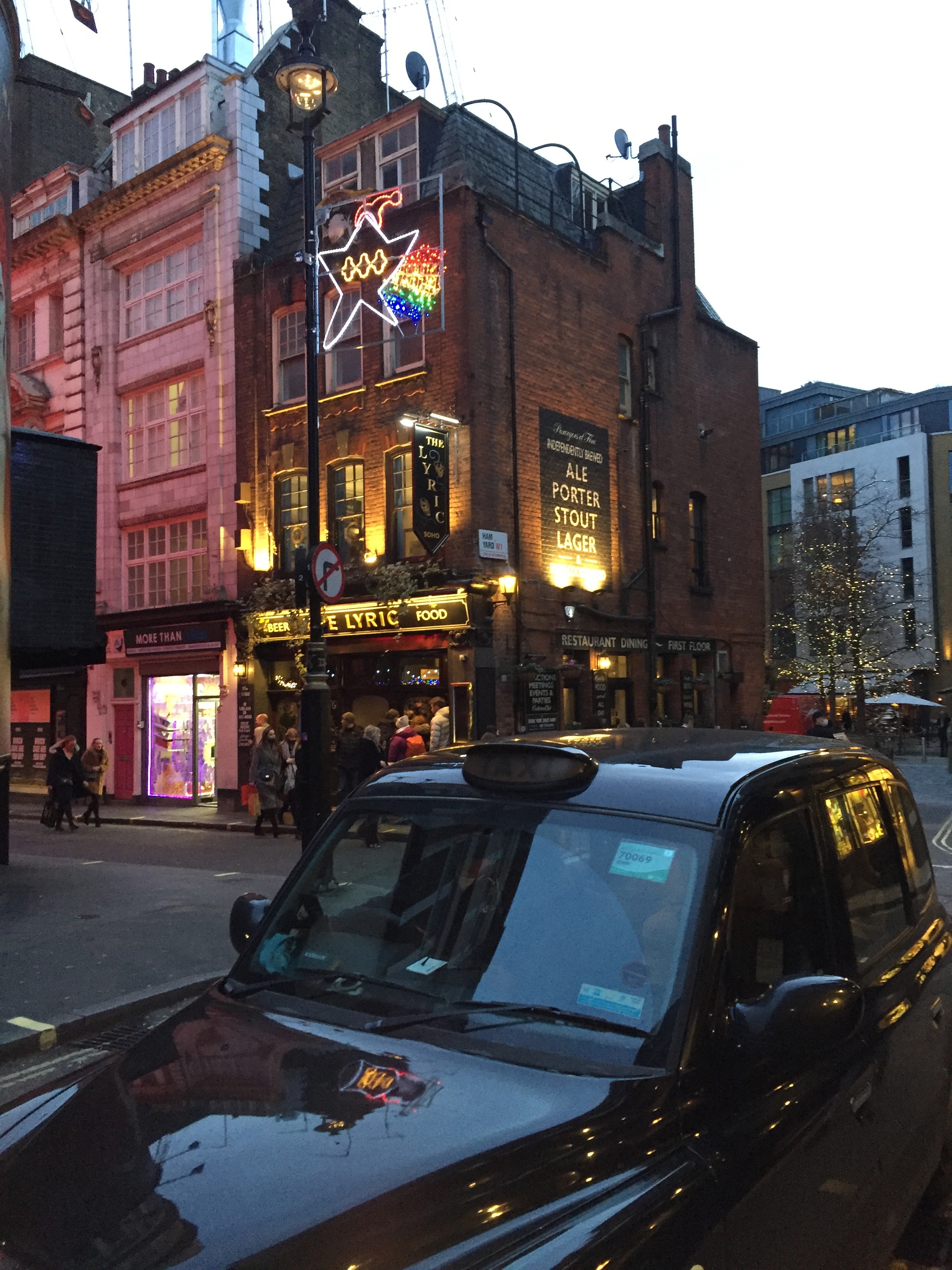
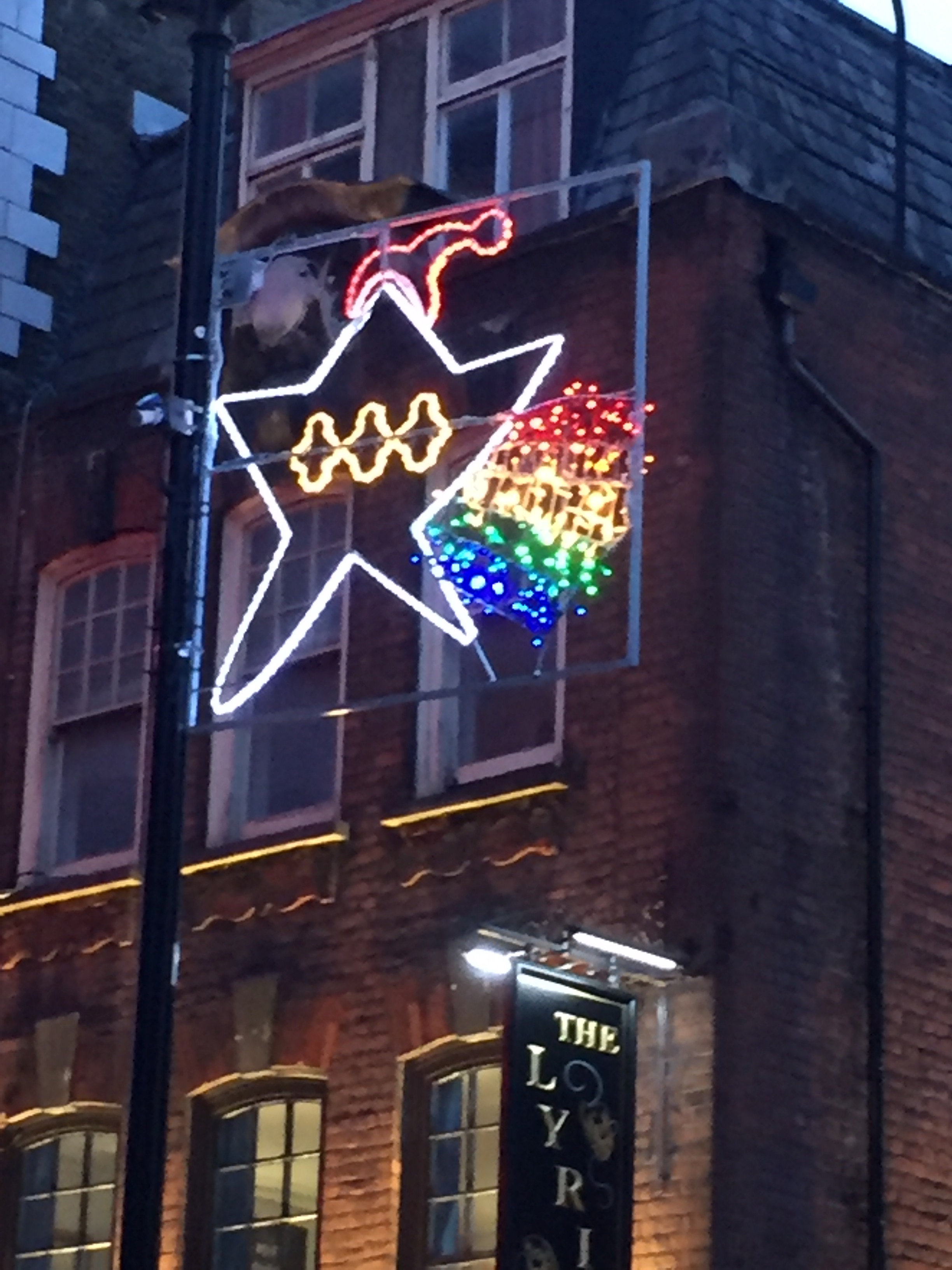
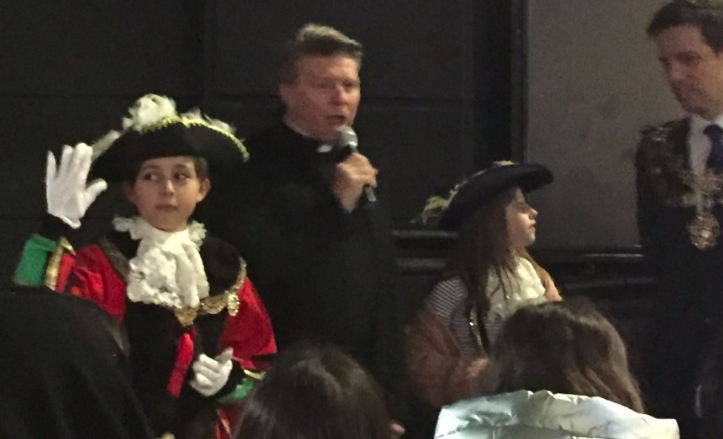
As part of a project with local architect Antonio Capelao, the students had designed Christmas lights, 21 of which were chosen to be made into actual illuminations that surrounded the school’s block. The big switch-onwas conducted by the Mayor of Westminster and the school’s two student Mayors, dressed in their robes with the keys to Soho for the day.

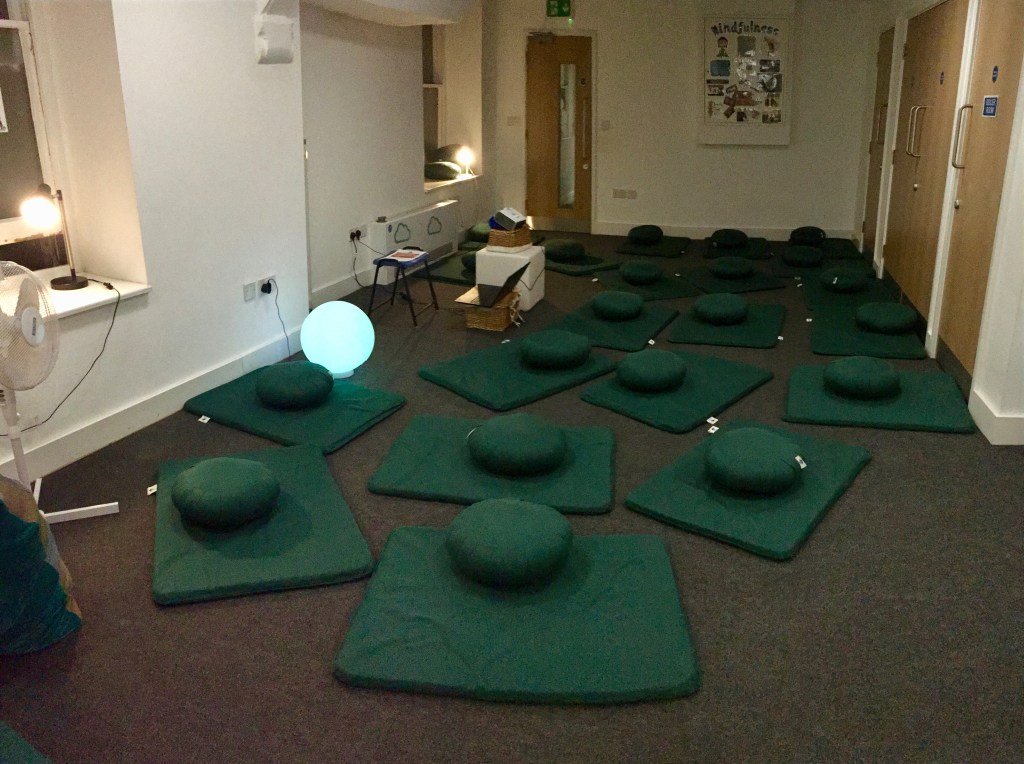
Mindfulness room - green with cushions on the floor and soft lighting

Finally, to balance and compliment all of this busy creative activity, Hannah teaches mindfulness. For 30 minutes each week, each student gets to chill out, focus and be alert in a dedicated basement room. This quiet space seemed far away from the hustle and bustle of the central London streets above our heads.

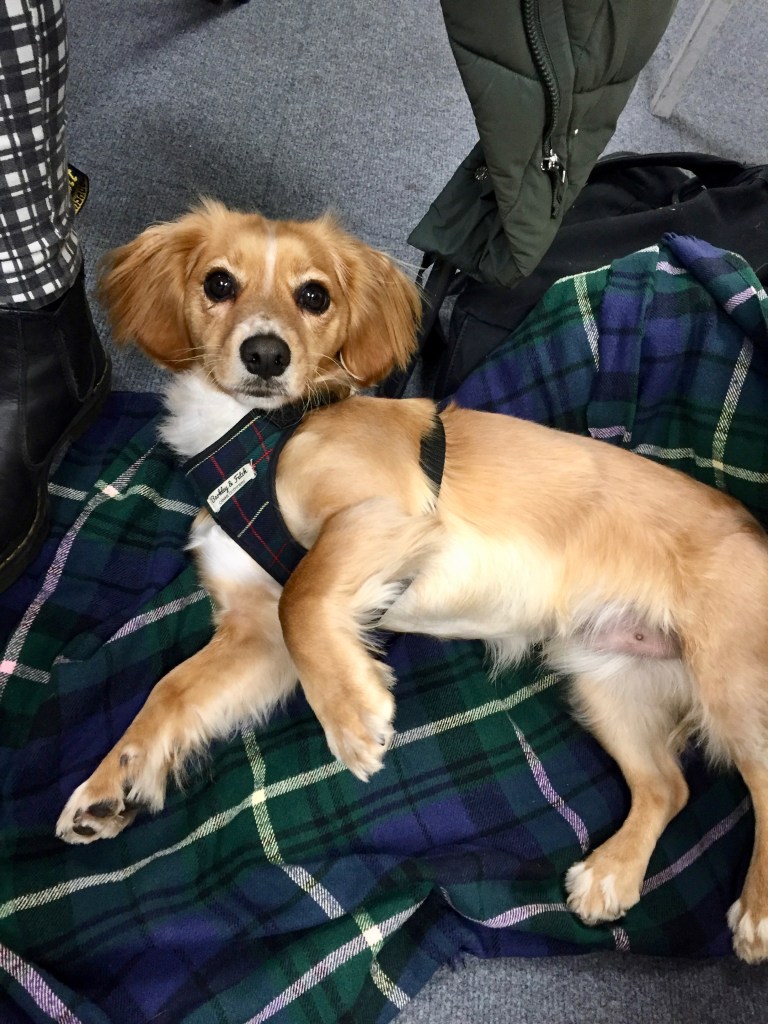
A small beige dog lying on a green blue tartan rug

Relatedly, we got to meet Crawford, the in-training school therapy dog, a calming presence for us during our interviews and for all who inhabit this truly unique primary school. 

Many thanks to Art Lead Hannah Peaty for her time and efforts in organising our visit and explaining everything. Thanks also to Head Louise Ritchie and all of the other staff and students for their insights. 

You may also be interested in reading our recently-published Art, Craft and Design Rapid Evidence Review – a survey of published scholarly literature on art, craft and design in education.

The ArtsMap video for this school and the others in the RAPS project are available on the RAPS Youtube channel. The videos have been produced by students to showcase the arts in their primary school.

Music and the performing arts thrive at Anston Greenlands – Here’s how

If, like Anston Greenlands, your primary school has a strength in music, you will know that your ability to sing together and play instruments has been severely limited over the last 18 months or so.

As a band member (since the age of 12) and a songwriter, Head teacher Alex Wirth is not only passionate about the music (and the arts in general) in his school, but has come up with innovative ways of providing exciting musical learning experiences. The methods may have been influenced by lockdown but are now proving valuable in themselves.

From our point of view, researching music and performing arts in schools can be challenging when compared with visual arts. Only occasionally do we get to see dance, drama, instrument or singing rehearsals, and so far on our RAPS visits, we have not seen a final performance.

Unlike drawings, paintings and other visual arts, music is not displayed on walls or tables. We rely on students and staff to give us their verbal insights into music and performing arts activities. So, when we can, we love to see it and hear it!

So it was exciting to discover how Alex and the team at Anston Greenlands had been using songwriting, singing and recording during lockdown to produce songs and videos for the school’s YouTube channel (200+ videos).

For example, ‘These Four Walls’ is a whole-school lockdown-themed rock anthem, features ideas, words and singing from the students and playing from the Head and musician parents and friends. Most importantly, the song was put together while many of the students were learning from home. They sent in their remote vocals and air-guitar videos to sit alongside those of their in-school classmates.

Screen shot from Anston Greenlands' 'These Four Walls' video on Youtube

The school’s dedication to creating original songs (and videos and artwork) for YouTube dates back to ‘My Fight’, a song they did in aid of WarChild.

As well as music videos, YouTube was integral to projects about the environment, history and other topics. For example, Alex had posted a series of video messages ‘from the future’ which were tied to the arrival of a big mysterious package in the playground and a sustainability theme.

Not only are the videos a great way to showcase students’ work (to families and arts-in-schools researchers!) and engage them in time-travel adventures, these short films have kept students and families tuned in and involved during lockdown and beyond.

Finally, Alex and the team had made another Covid-inspired change to the school, this time to the physical structure. Last Spring, frustrated by the lack of opportunity for his students to sing, dance and make music together indoors, they had a light bulb moment. 

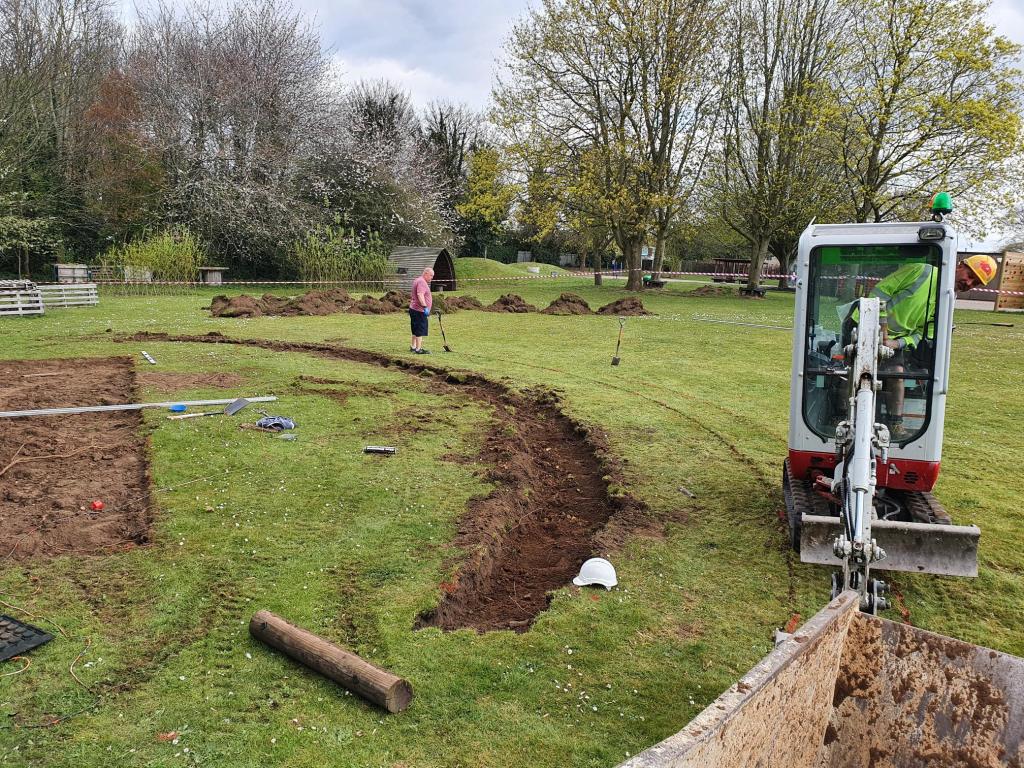
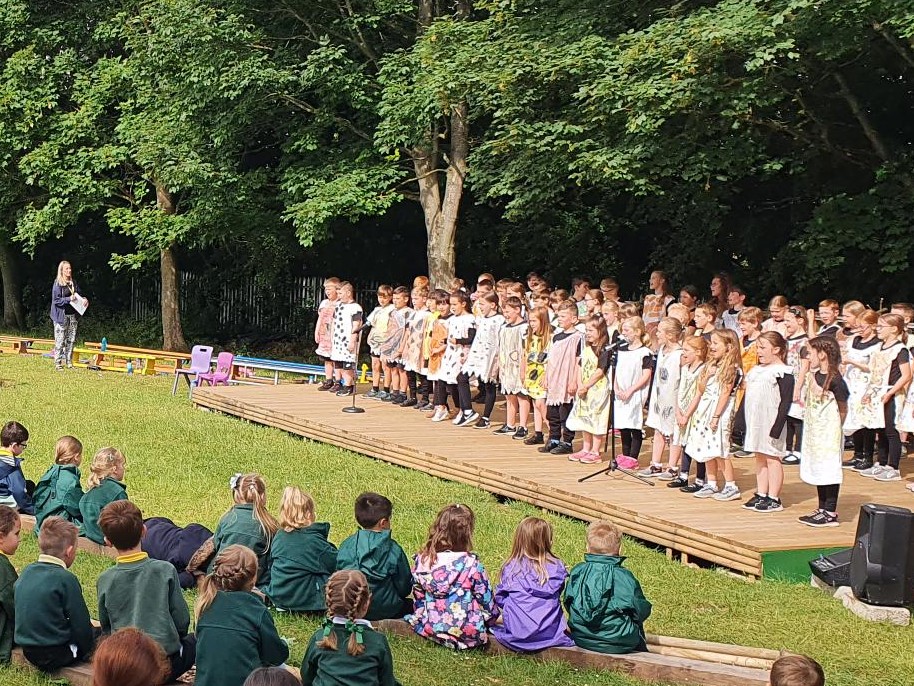
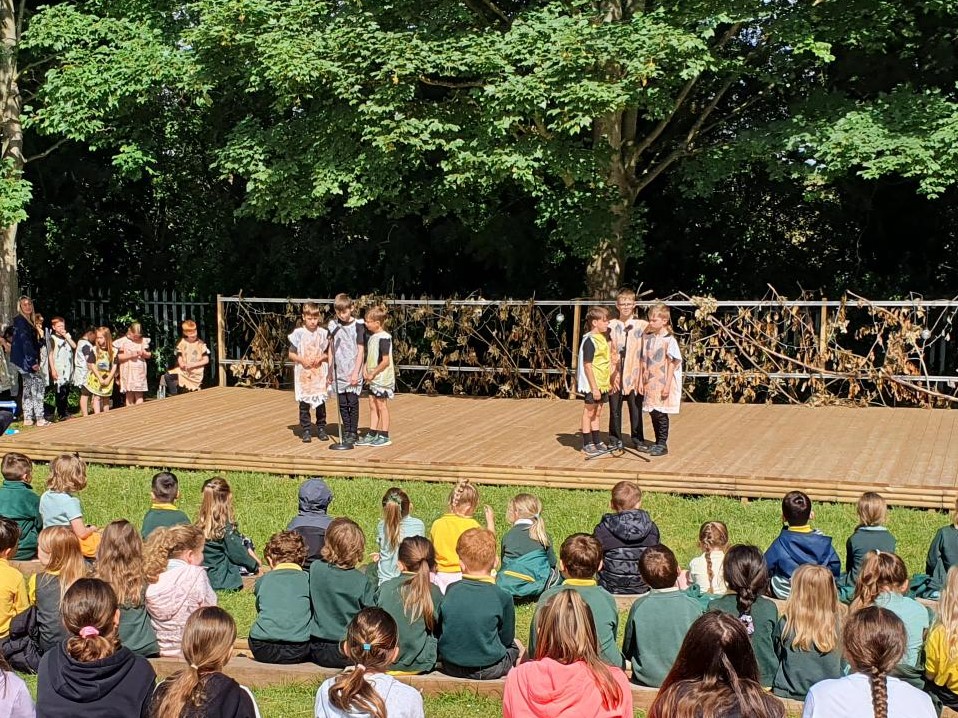
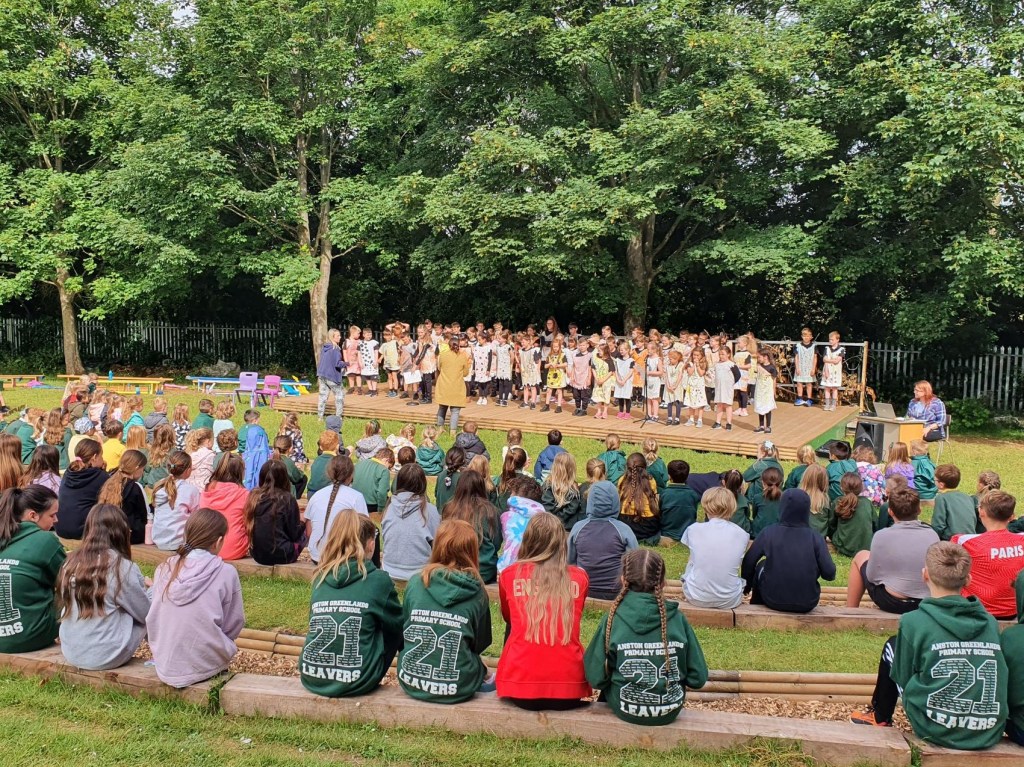
In a blur of activity, Alex got on the phone, hired a digger, went out onto the school field with the caretaker and a TA, and dug the school an amphitheatre. The curved and raked seating was completed with a substantial wooden stage, perfect not only for the music, dancing and drama work they were doing in school, but also for hosting parents, families and the local community to open-air performances.

While the sun struggled to get over the horizon during our wintery visit, the photos of the children singing in the summer sun lifted our hearts. We could almost hear the music – a sure sign that whatever the challenges, schools like Anston Greenlands will keep primary music and performing arts alive and thriving.

Many thanks to Head Alex Wirth, Deputy Kate Roberts and all of the Year 4, 5 and 6 student who gave us an insight into the arts in their school.

You may also be interested in reading our recently-published Art, Craft and Design Rapid Evidence Review – a survey of published scholarly literature on art, craft and design in education.
The ArtsMap video for this school and the others in the RAPS project are available on the RAPS Youtube channel. The videos have been produced by students to showcase the arts in their primary school.

How the Arts have transformed Feversham Primary

Feversham is a large primary school located in Bradford Moor, an area of pronounced social deprivation less than a mile from Bradford city centre. It is an exemplar of how the Arts can transform a school. 

After being placed in special measures a decade ago, the decision was made for music and drama to form the core of the school’s connected curriculum. This has not only produced excellent results in maths, reading and writing, but has contributed to the students’ confidence, positivity and friendliness, all factors noted in the school’s recent Outstanding Ofsted report.

Our day-long visit began with a lively assembly in which Year 3 students used music and drama to depict the employment and education of Victorian children. The graphic depictions of working conditions and punishments elicited a flood of questions from the rest of the students.

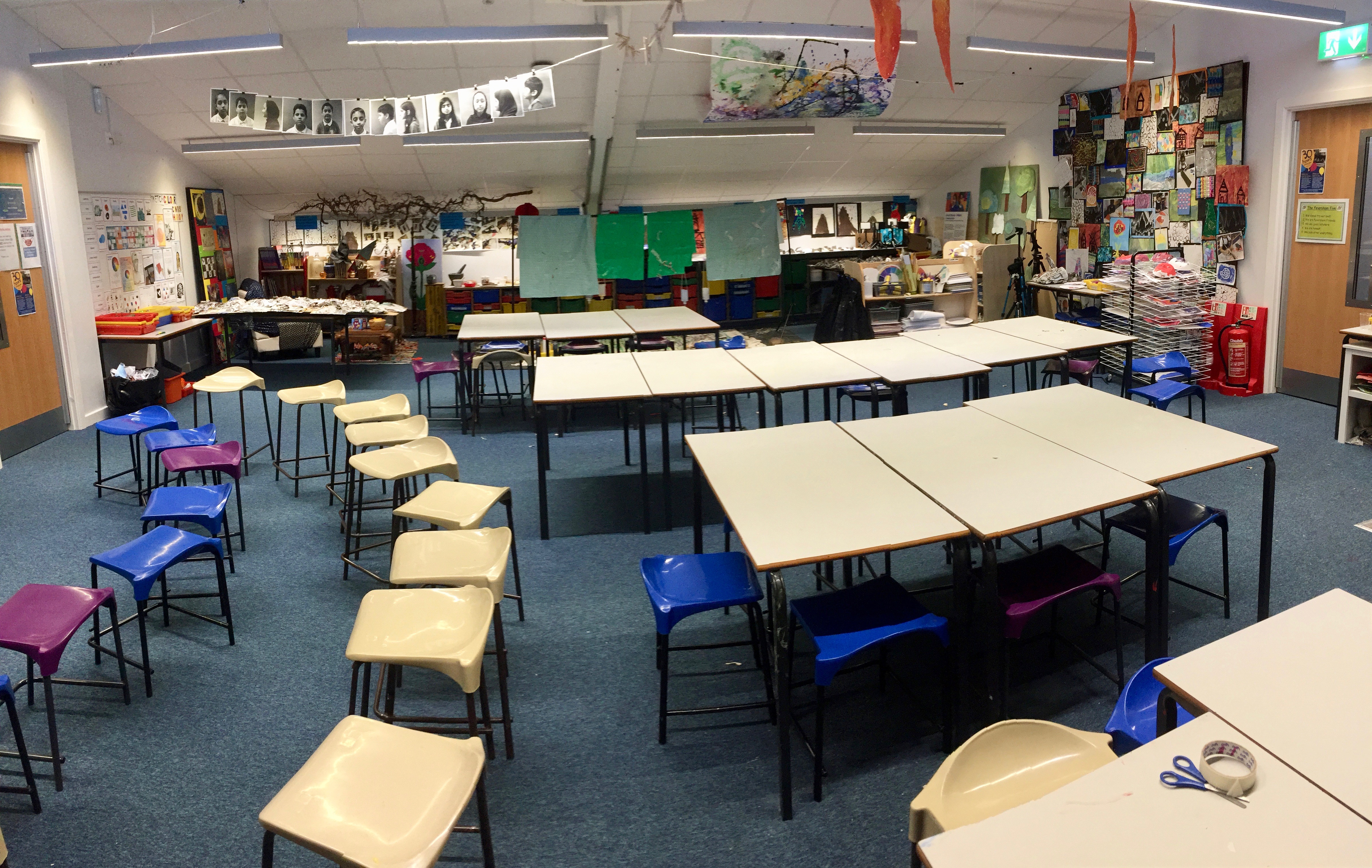
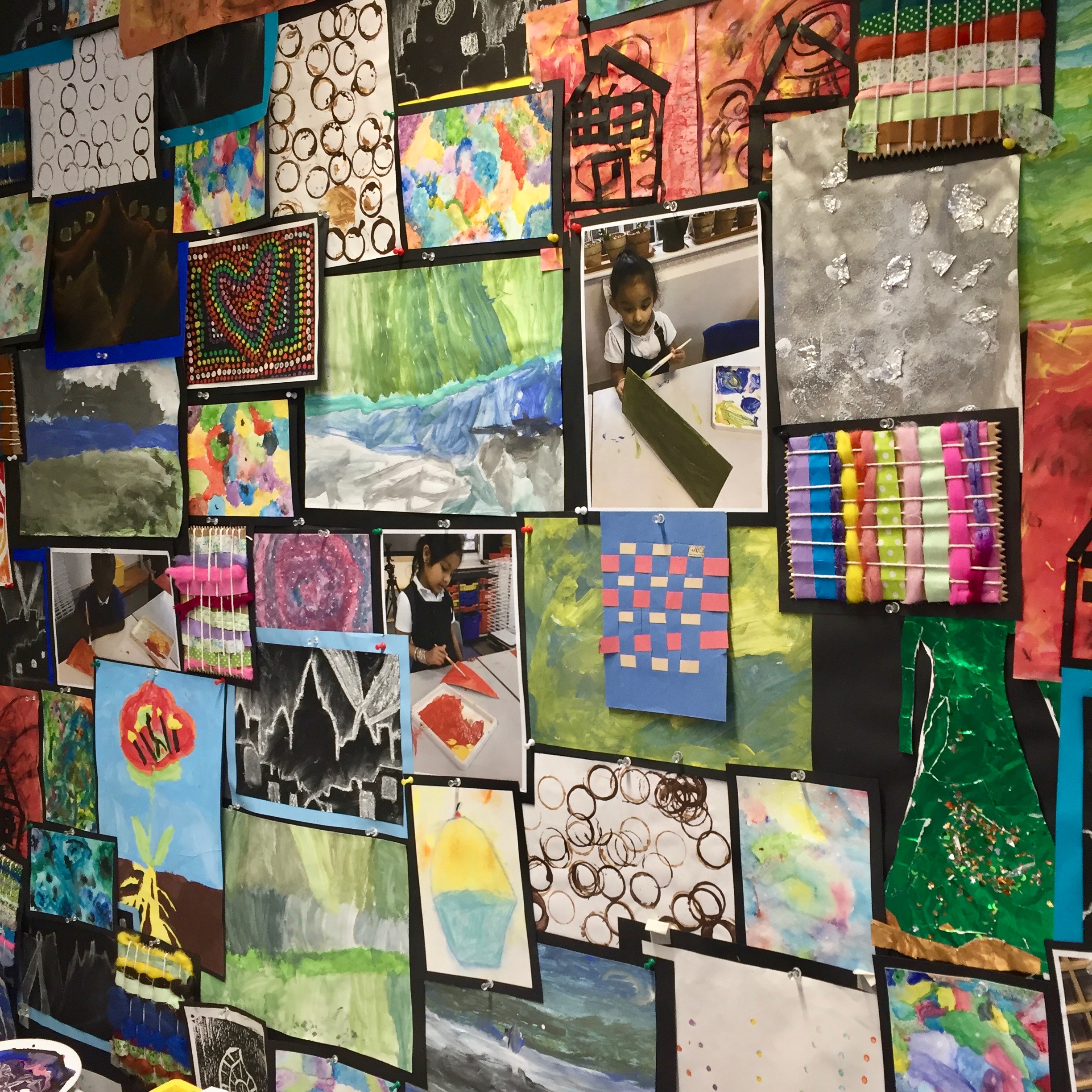
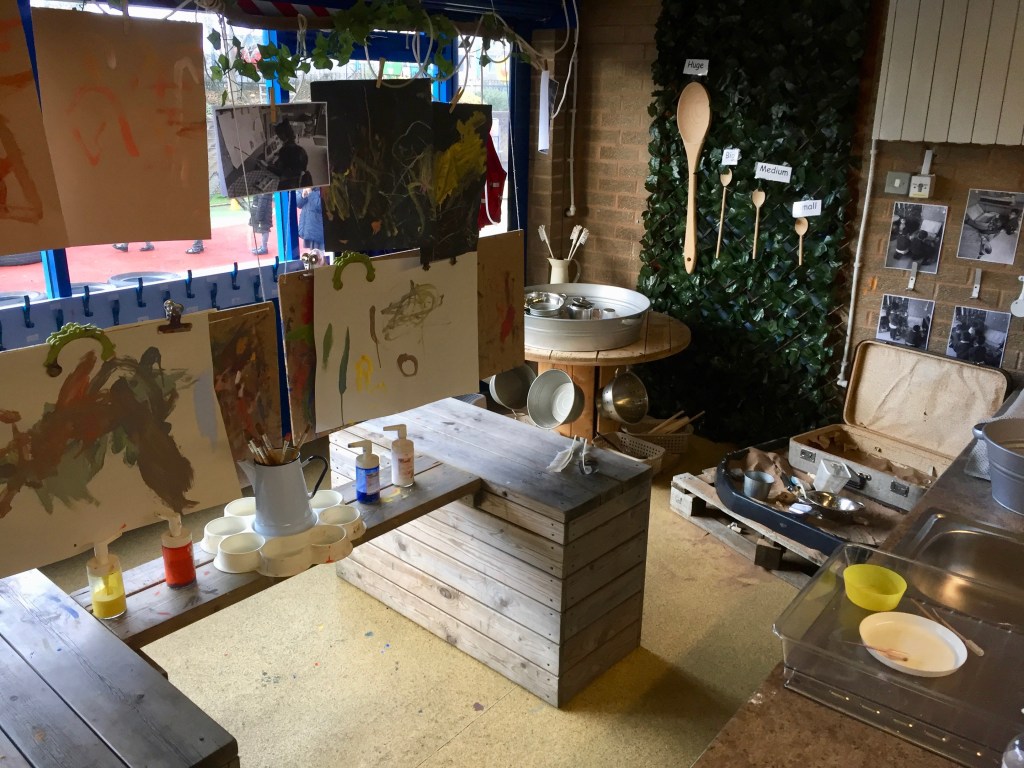
Our guide for the day was Arts Lead Alisa Yates. We began our tour in the large, light and open Arts Studio. A wide range of media and techniques were displayed on walls, drying on racks and hanging on strings. 

Alisa has written an article all about this creative space in the latest edition (#33) of NSEAD’s AD Magazine. In it, she talks about promoting independent thinking and a proactive approach.

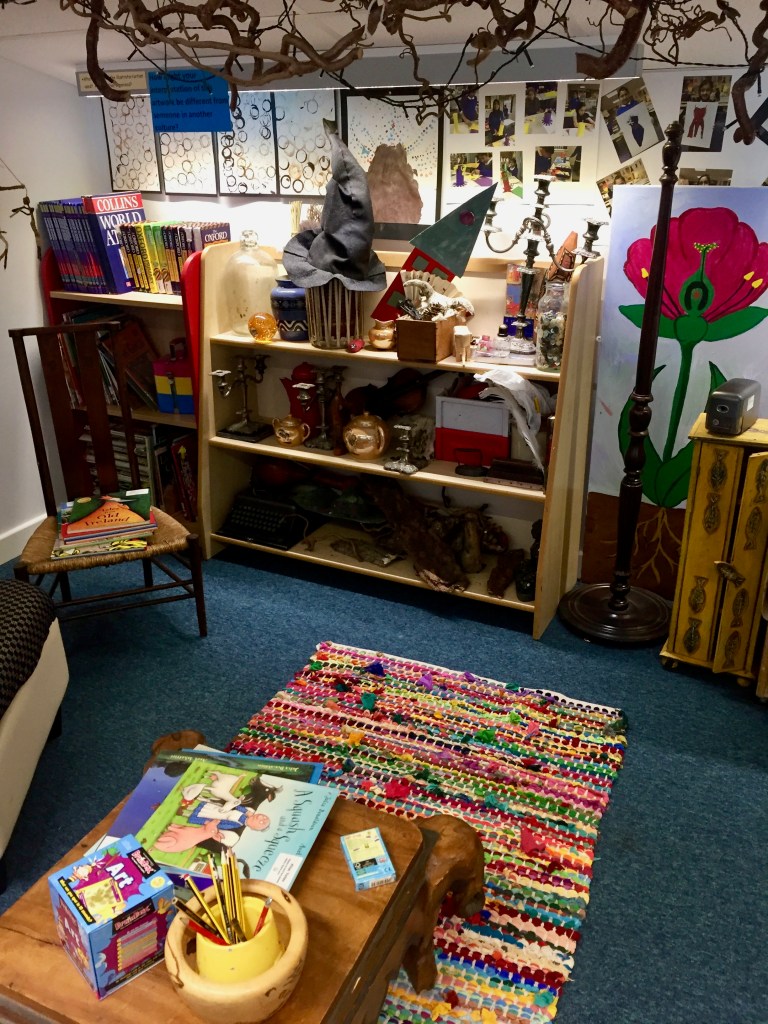
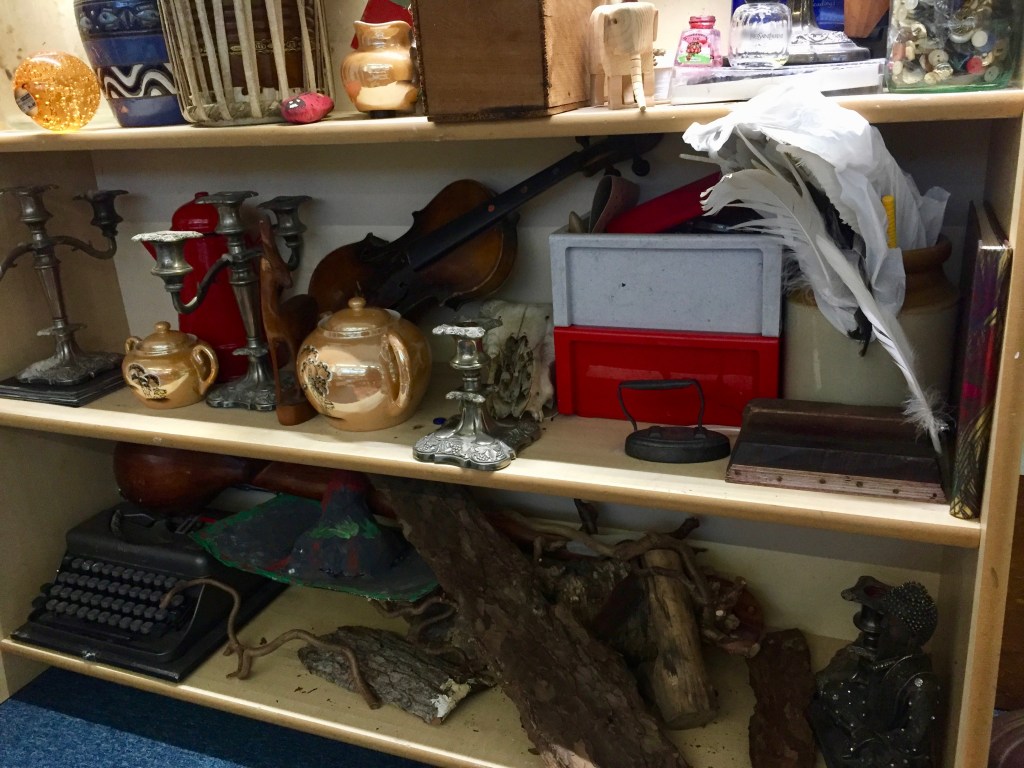
There was a corner ‘curiosity’ area with comfy seating where students could use the miscellaneous objects as stimuli for sketching and inspiration.

Alisa showed us the table of pestles, mortars, gums and stones used to make paints and dies. We were told how the children would learn about the process of grinding and combining ochre and other materials to make powders and pigments that would become the colours they use for their own art works.

The Art Studio also contained light boxes for a stop-time iPad-based animation project. Alisa told us of her professional background in photography from the age of 16 often working with her own team of stylists and technicians. She is a current arts practitioner specialising in watercolour painting, photography and textiles.

Her ongoing exploration of media and techniques, and passion for experimentation was evident not only in the vibrant Art Studio, but also in the conversations we had with Year 4, 5 and 6 students. Their many arts activities at Feversham are documented in this ‘Art Studio’ blog. Alisa also curates this ‘Art Academy@FPA’ blog which includes stimuli, activities and learning materials.

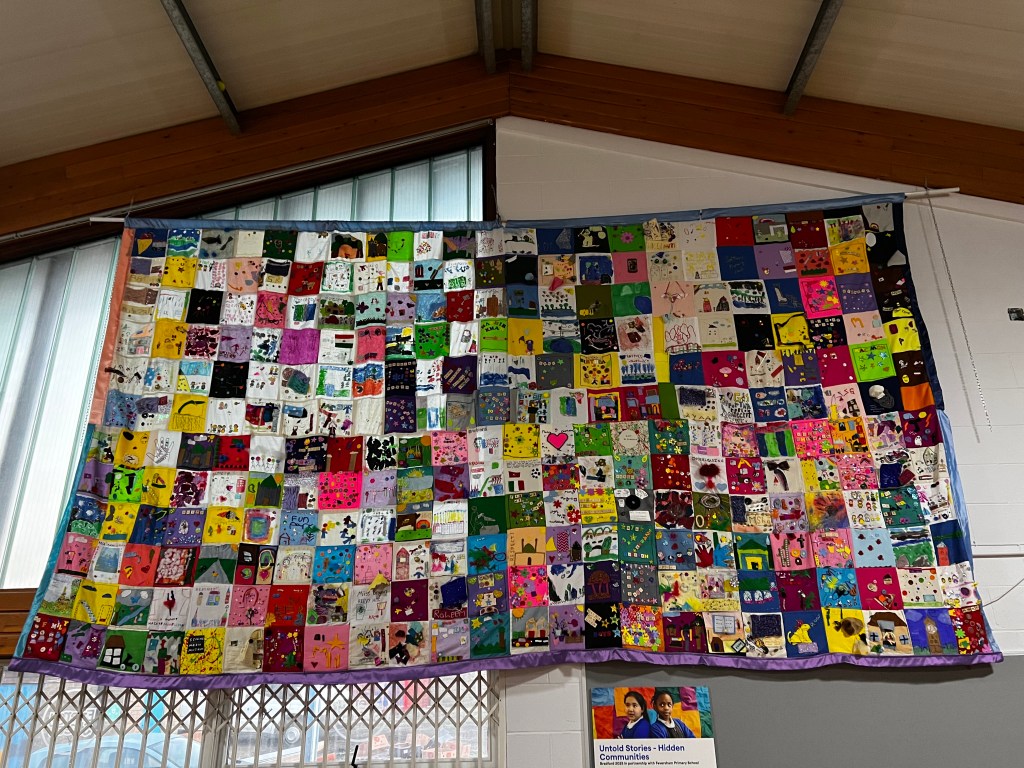
Led by Alisa, the school had been involved in a quilt making project. Feversham students, in partnership with the Bradford 2025 Year of Culture bid, made a video to explain the project and to ask other schools to contribute squares that communicated something about their ‘Untold stories, [and] Hidden Communities‘. The 200 individual squares were sewn together to create ‘a collection of memories and histories’ specific to the area and to the children.

We also met Jimmy Rotheram, Senior Leader for Music – probably the only one in the country, he told us. It was Jimmy who was leading the assembly earlier. Starting as a supply teacher eight years ago, Jimmy has developed an effective and influential music programme based largely on his training in Kodaly and Dalcroze, undertaken alongside his teaching. As a primary music expert, Jimmy and the music pedagogy of Feversham (up to six hours of music per week) have been featured in The Guardian, on the BBC, and in podcastsYouTube videos and teaching magazines.

Jimmy talked about his mission to get the music of his many Muslim students more widely recognised. Like Alisa, Jimmy has a professional arts background – in music performance, a record deal and working in the industry.

Jimmy told us: ‘I have had formal music training. I just always found reading music far more difficult than someone of my musical ability should have done. It wasn’t until I discovered alternative ways of developing musical reading that my own ability to read music managed to catch up, and I discovered that all children could learn to read music well if taught in more child-friendly ways‘.

He bases his teaching largely on singing, rhythm and body percussion. You can read more about his ethos and methods here. His book (to be published in the Spring) will explain his methods to other music and performing arts teachers. 

We were impressed by the time, effort and dedication that Alisa and Jimmy spent working with the Early Years and reception children and staff. It was clear that, through the arts, the school were building skills and confidence from a young age. On our visit to this area, we enjoyed the subdued lighting, stand-up easels and attention that had been paid to creating a warm and inspiring environment. As a demonstration of how Jimmy has embedded his approach to music across the school, a group of reception children were assembled to participate in a spontaneous singing and movement session.  

As well as music, singing, quilt making and the Arts Studio activities, students had been working in collaboration with the Joss Arnott Dance Company.

The school is currently undergoing extensive expansion. The main hall has already been extended to incorporate a stage and the new site will include an updated music room. The transformation continues.

Feversham is a story of how arts pedagogy, arts leaders with professional arts backgrounds, and the creative application of continuing professional development can transform a primary school, drive the curriculum and inspire many others beyond the school gates.

Our thanks go to Arts Lead Alisa Yates for showing us around, to Senior Leader (Music) Jimmy Rotheram for his time and insights, and to all the staff and students at Feversham for their warm welcome.

You may also be interested in reading our recently-published Art, Craft and Design Rapid Evidence Review – a survey of published scholarly literature on art, craft and design in education.

The ArtsMap video for this school and the others in the RAPS project are available on the RAPS Youtube channel. The videos have been produced by students to showcase the arts in their primary school.

Collaborative Creativity at Kelsall

On our recent travels around England visiting arts-rich primaries, we have noticed that many schools have developed, and continue to grow their arts-richness through a close working relationship between the Head Teacher and the Arts Lead. This is one of our ‘emerging themes’ – something we will explore in more detail later.

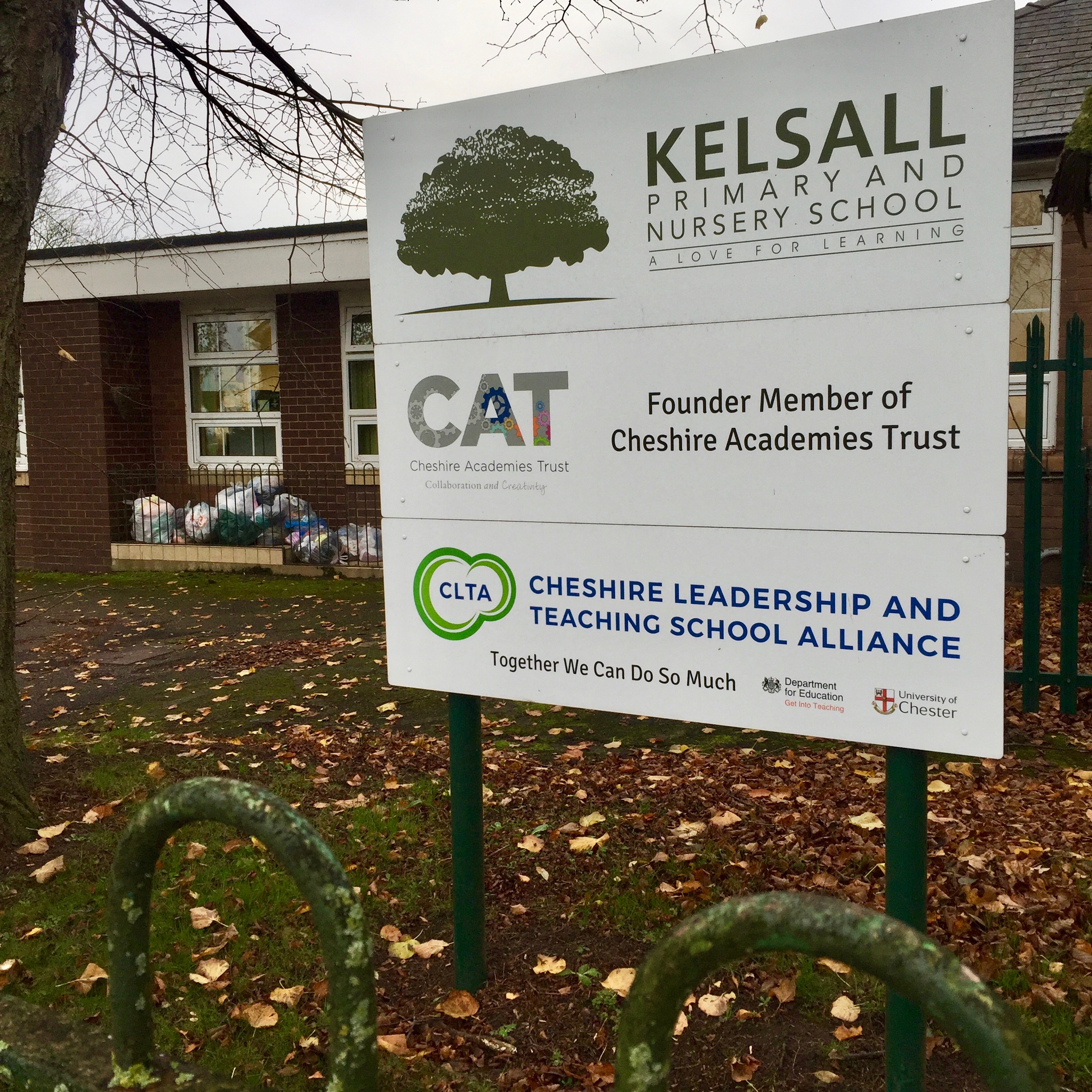
One such creative double-act is doing wonders for the arts at Kelsall Primary school, a rural village school about 4 miles away from Tarporley in Cheshire.

While we have met other dynamic arts duos on our travels, what was perhaps most interesting here is that Head Teacher David Wearing and Arts Lead Jon Clayton have developed their visual arts skills, ethos and pedagogy alongside, and in combination with their roles at the school. 

While their active status as musicians pre-dates their days at Kelsall (David has been here for 10 years, Jon for 20), neither had a background in the visual arts when they arrived. Jon told us how his passion for visual art and his ‘loose’ experimental style took shape through primary teaching.

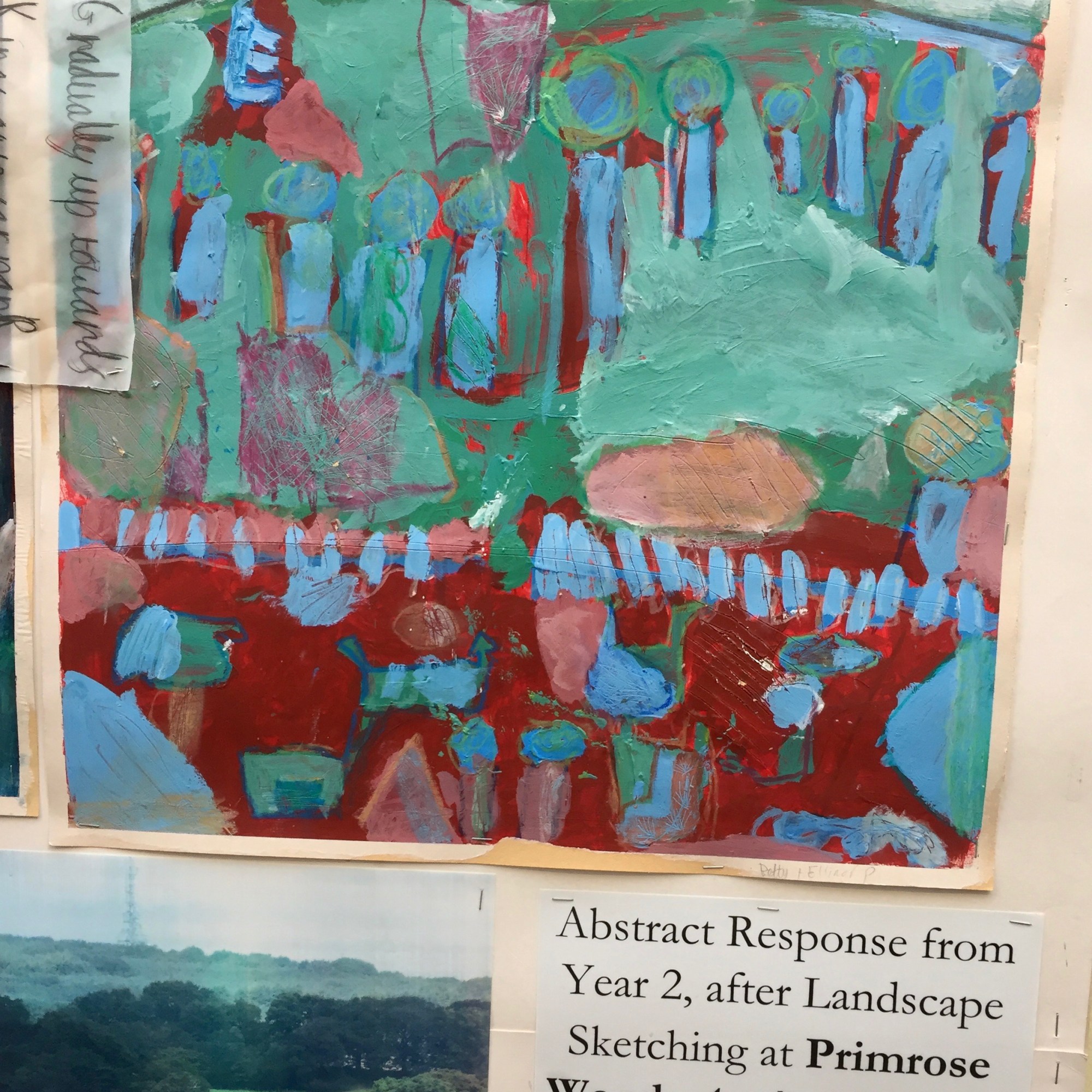
As examples of idiosyncratic primary arts practice and pedagogy, we were drawn to these Year 2 pieces from recent visits to the nearby woods:

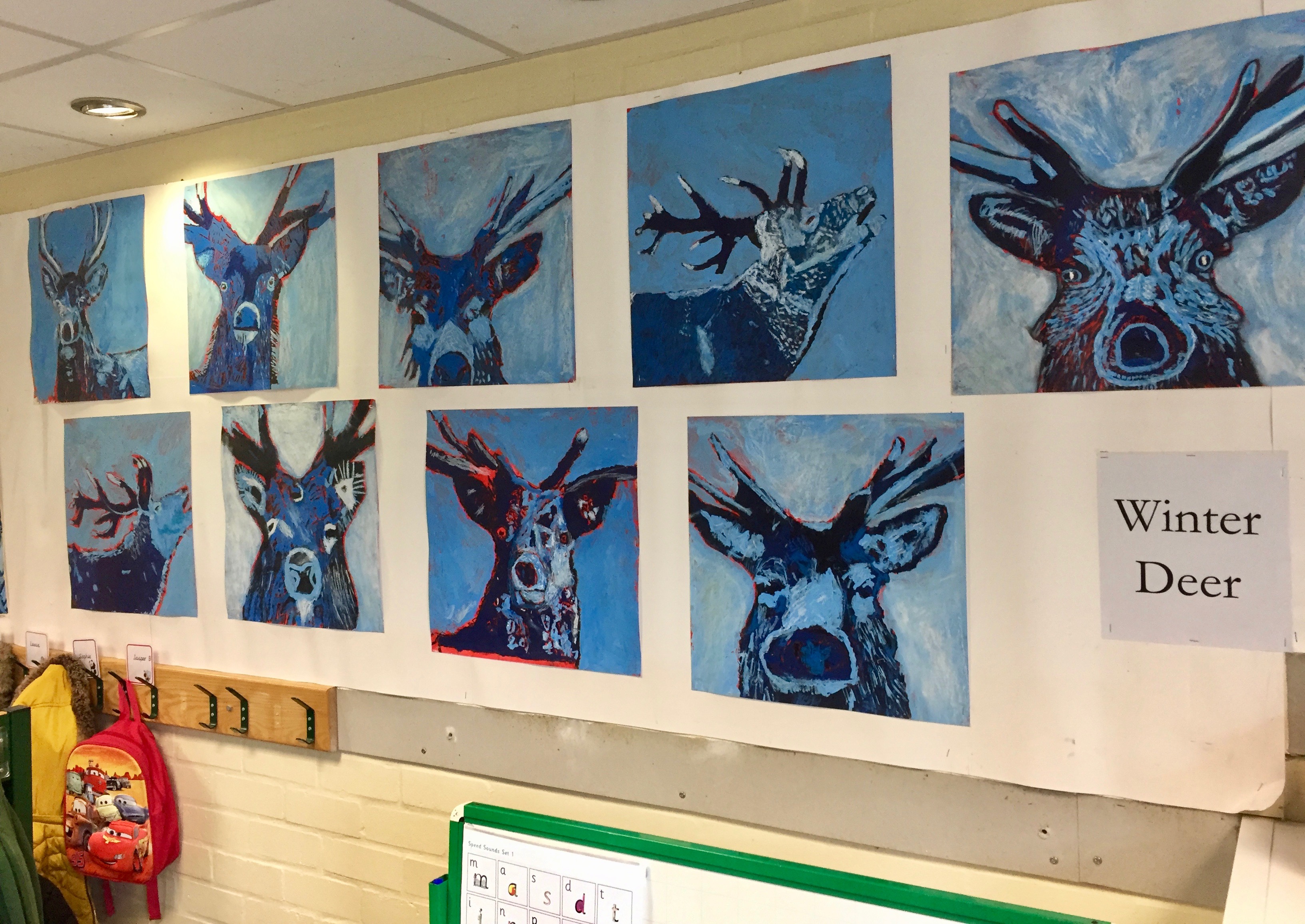
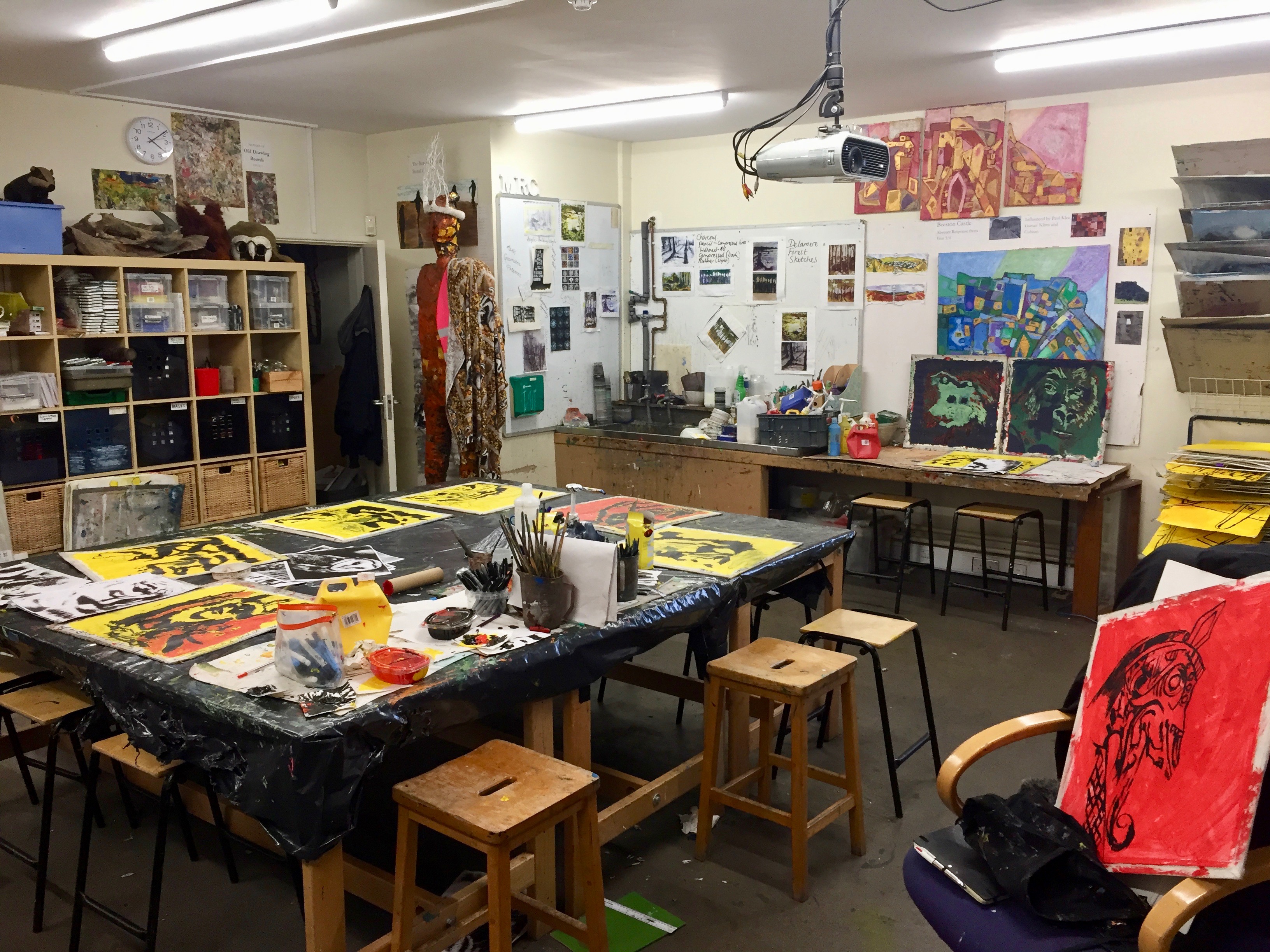
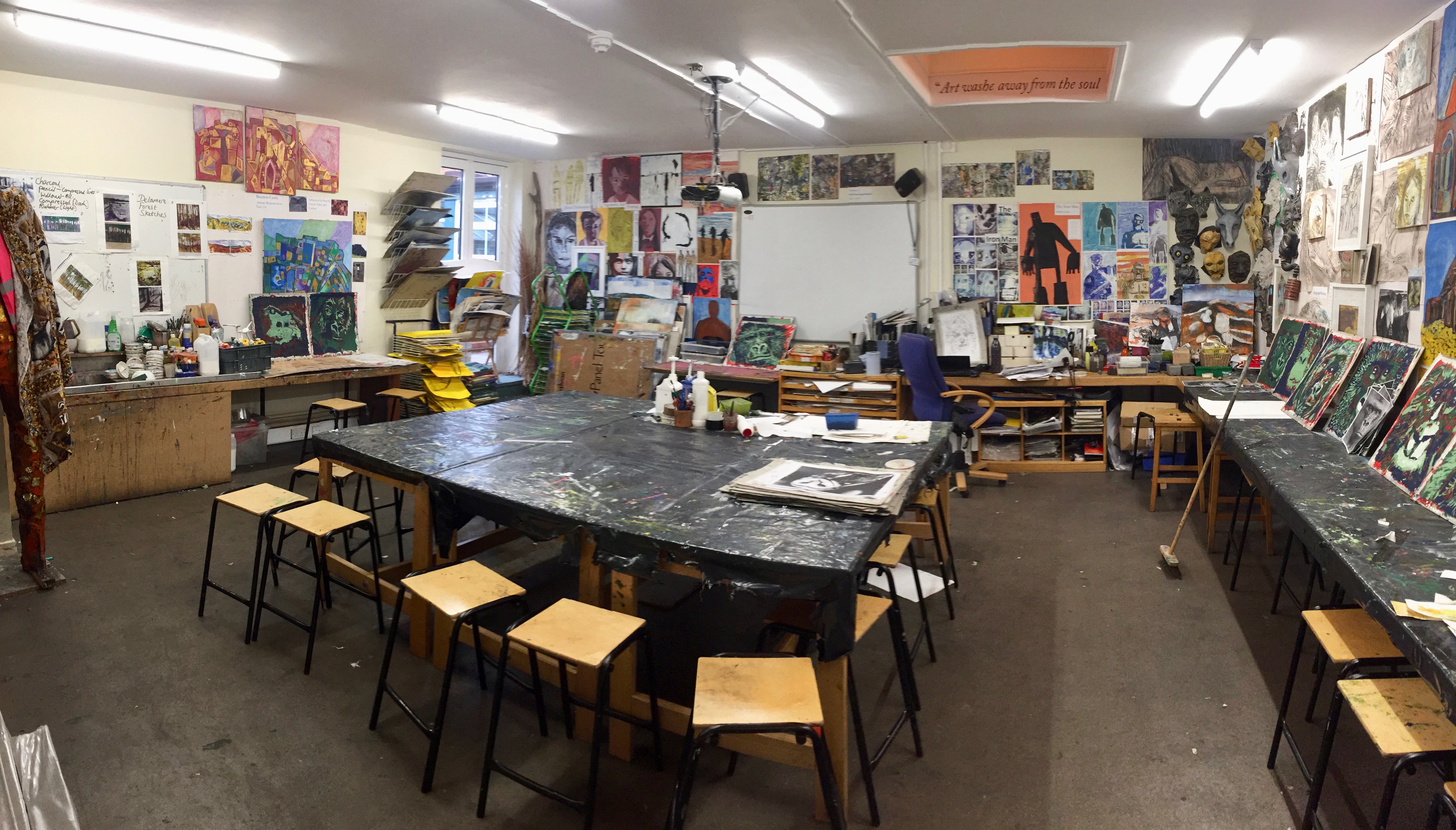
Under Jon’s tutelage, the students at Kelsall have developed a distinctive semi-abstract style based on the extensive use of sketching, reworking, and a ‘no mistakes/no rules’ approach to art making. Jon explained to us how after building basic skills through structured lessons, the students could enjoy the freedom, independence and confidence of art making. He encourages the students by telling them to ‘go with it’ and asking for their thoughts. Jon repeatedly referred to the children’s sense of joy and play when creating art in this way.

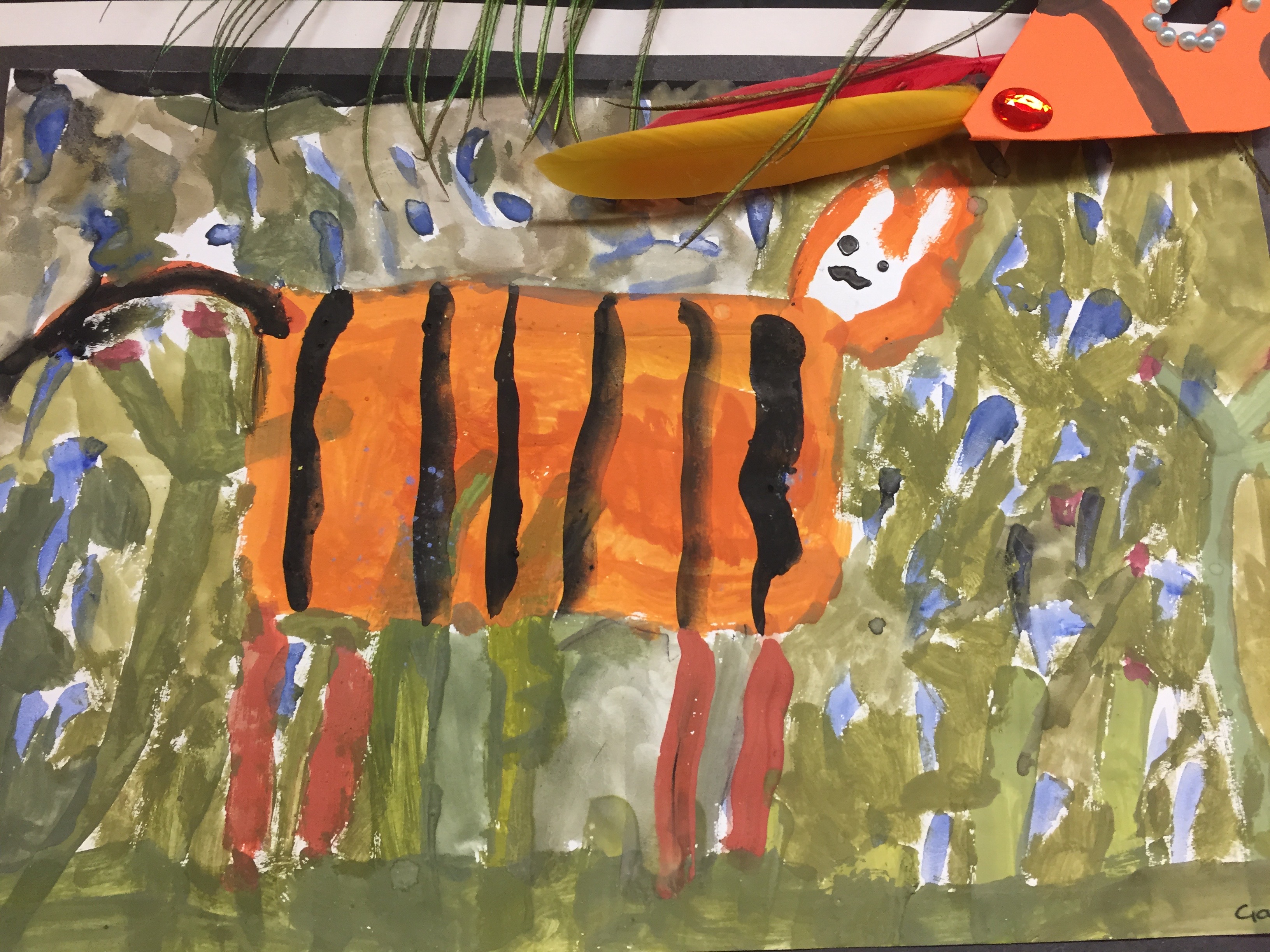
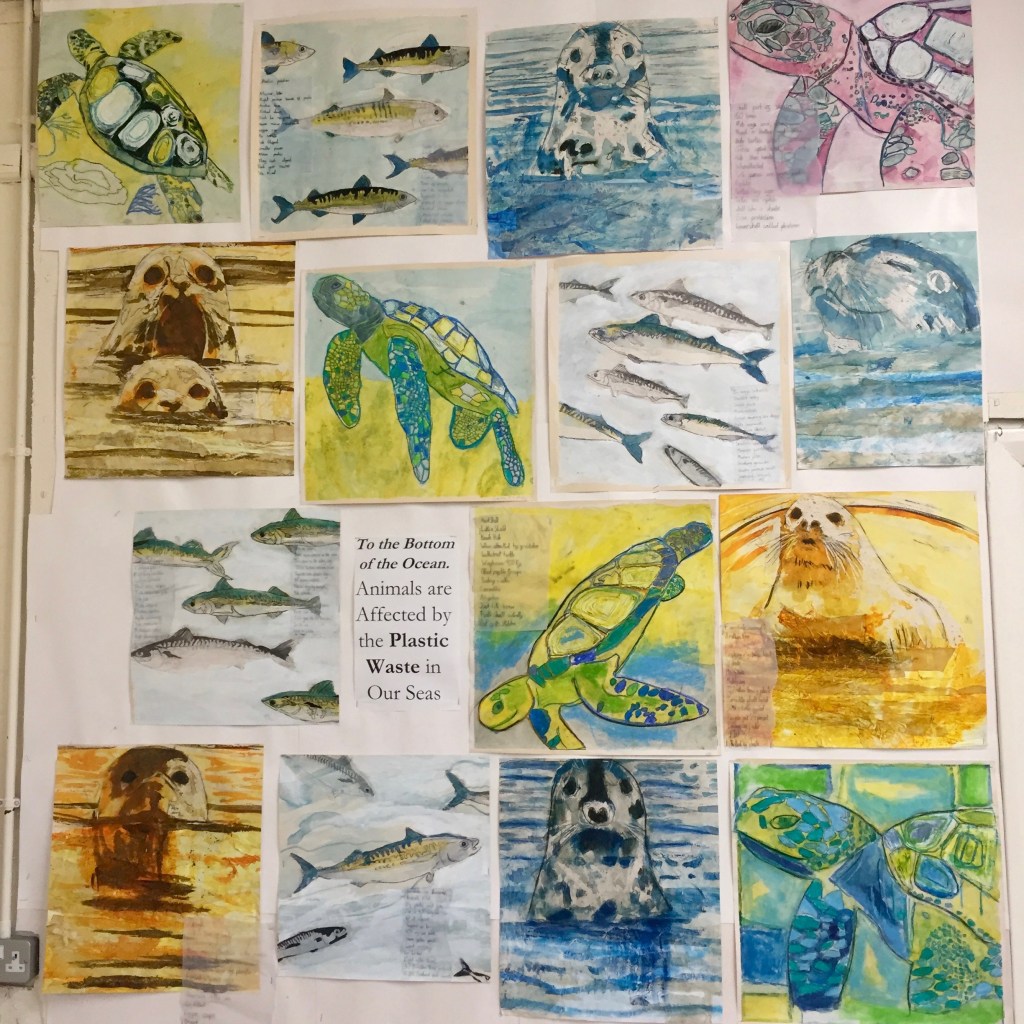
Displays included students pictures of animals (gorillas, tigers, orangutans, deer, turtles, crows, etc.), self-portraits, buildings, Guernica, and astronauts. They were using art to explore issues of plastic pollution, endangered species, refugees, war and other subjects.

While Jon told us that the students’ art was always based on something tangible, he described how working in semi-abstraction avoids many of the frustrations that students encounter then they strive for realism and a closely copied photographic approach. ‘They’ll always be rubbing out’, he explained.

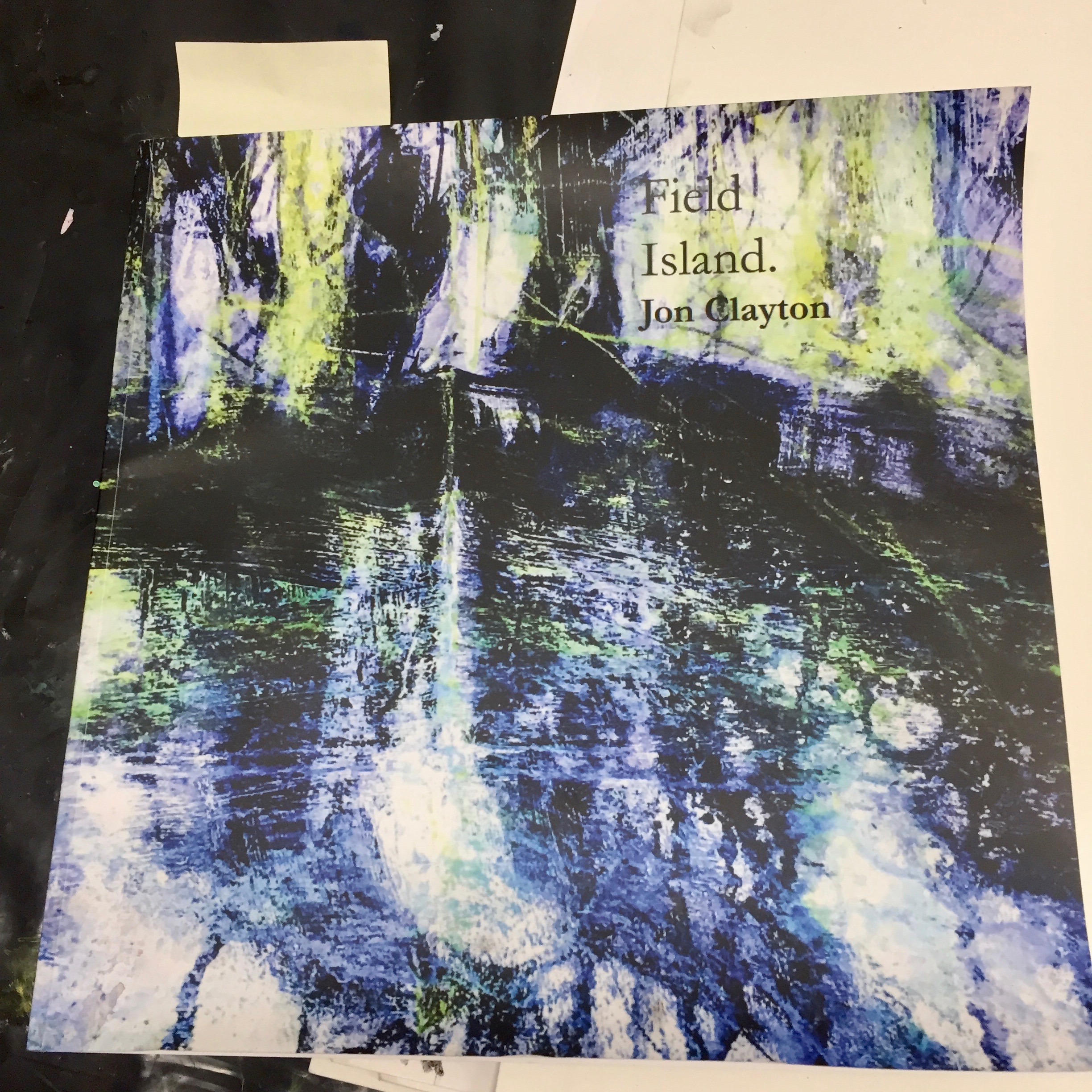
Jon and David were also creating their own artwork in the Art Room, after school and in the holidays. Their work was stored alongside the students’ work in the Art Room and other spaces in the school, there to inspire students and to use as explanation of techniques and approaches. Both men self-publish a series of books of their art work which could be found in corridors and classrooms.  

The students’ work had been entered in many local primary arts competitions. David told us that the school had voluntarily withdrawn from many of them in order to let other schools win occasionally (!). 

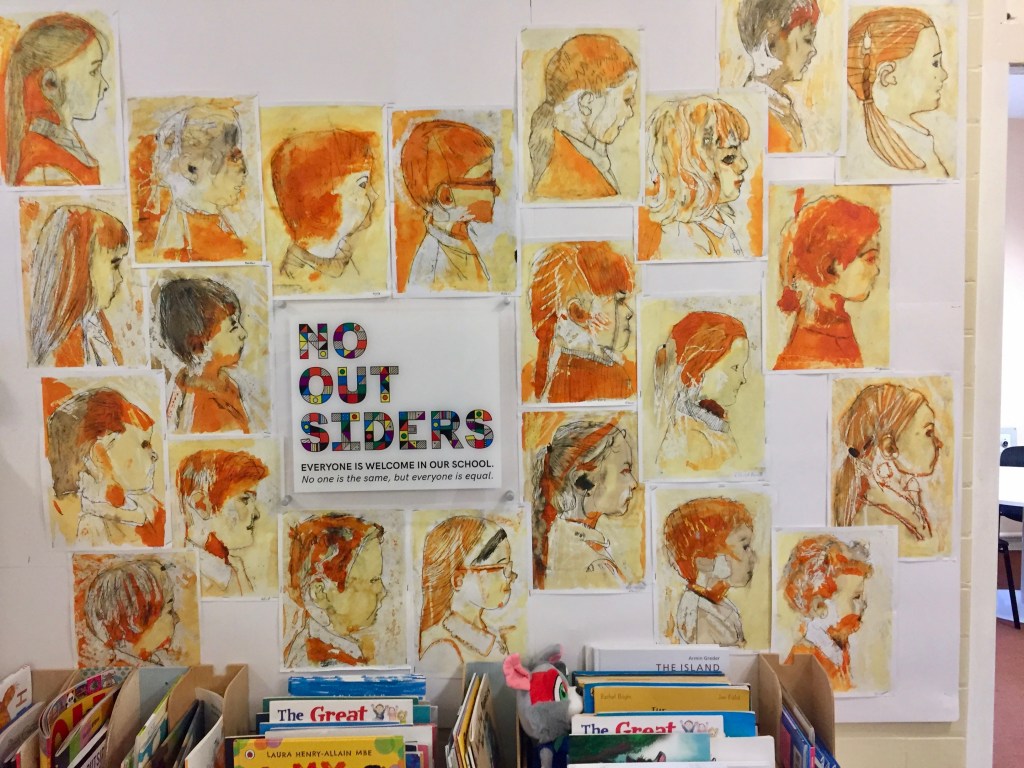
Kelsall’s whole school curriculum is based entirely around ‘high-quality’ books, used as ‘pathways’ to link specific artists, topics and issues. For example, there is a display of ‘No Outsiders’ portraits in the reception area.

As with all of the arts-rich school we have visited, there are many more arts activities taking place at Kelsall that could not be covered in any detail in a short blog piece. The short list for Kelsall includes:

  • A full-size statue of Nelson Mandela and extensive Black Lives Matter art works in the reception area
  • Twenty glockenspiels (!) plus equipment and performance spaces for the school Rock Band and other performance work
  • An in-development Room 13-style student-lead outdoor arts space
  • Gilbert and George

Thanks to Head Teacher David Wearing and Arts Lead Jon Clayton for inviting us into your school and to the students of Kelsall for sharing their experiences of their arts-rich education.

You may also be interested in reading our recently-published Art, Craft and Design Rapid Evidence Review – a survey of published scholarly literature on art, craft and design in education.

Local and global diversity at Gomersal Primary

Gomersal is an arts-rich primary school less than 10 miles from Bradford, Leeds and Huddersfield, situated in extensive green space. Deer and sheep are regular visitors to the woodlands that adjoin the school.

During our tour of the school, we saw many student art works created during class walks to the nearby woods and fields: flowers, insects, leaves and trees were all used as inspiration for work in textiles, ceramics, painting and installations.

Year 4, 5 and 6 students told us about their many visits to local arts places. The school has links with the nearby Longside Gallery at the Yorkshire Sculpture Park. The children talked excitedly about the work of Henry Moore, Andy Goldsworthy and Barbara Hepworth. They had recently created figures in the style of Antony Gormley who was born just 3 miles from the school. 

Students also spoke about their visit to the nearby David Hockey-associated ex-mill now art gallery and studios Salts Mill. Some mentioned going to the art gallery in Cartwright Hall, just 7 miles away, with their families to see pieces by Hockney, Anish Kapoor and LS Lowry.

In the legacy of Titus Salt and the dominant local industry of the 19th and early 20th centuries, the school had just secured funding to set up a textiles base that will help raise the profile and standard of textile work in this and other local schools. 

As well as the richness of the arts and culture in the immediate area, we were struck by the diversity of the art forms and artists with which the students were working. 

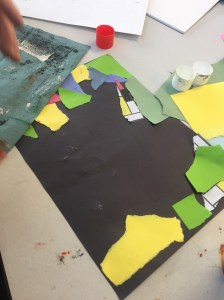
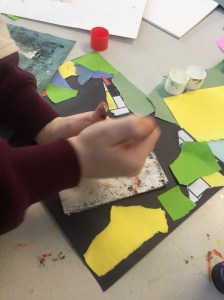
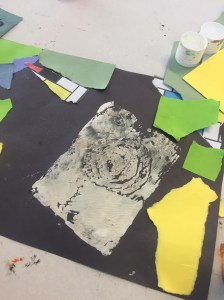
Much of this was either on display or being created in the large, light and vibrant Art Room. Our tour of the school coincided with a class doing a printing project. 

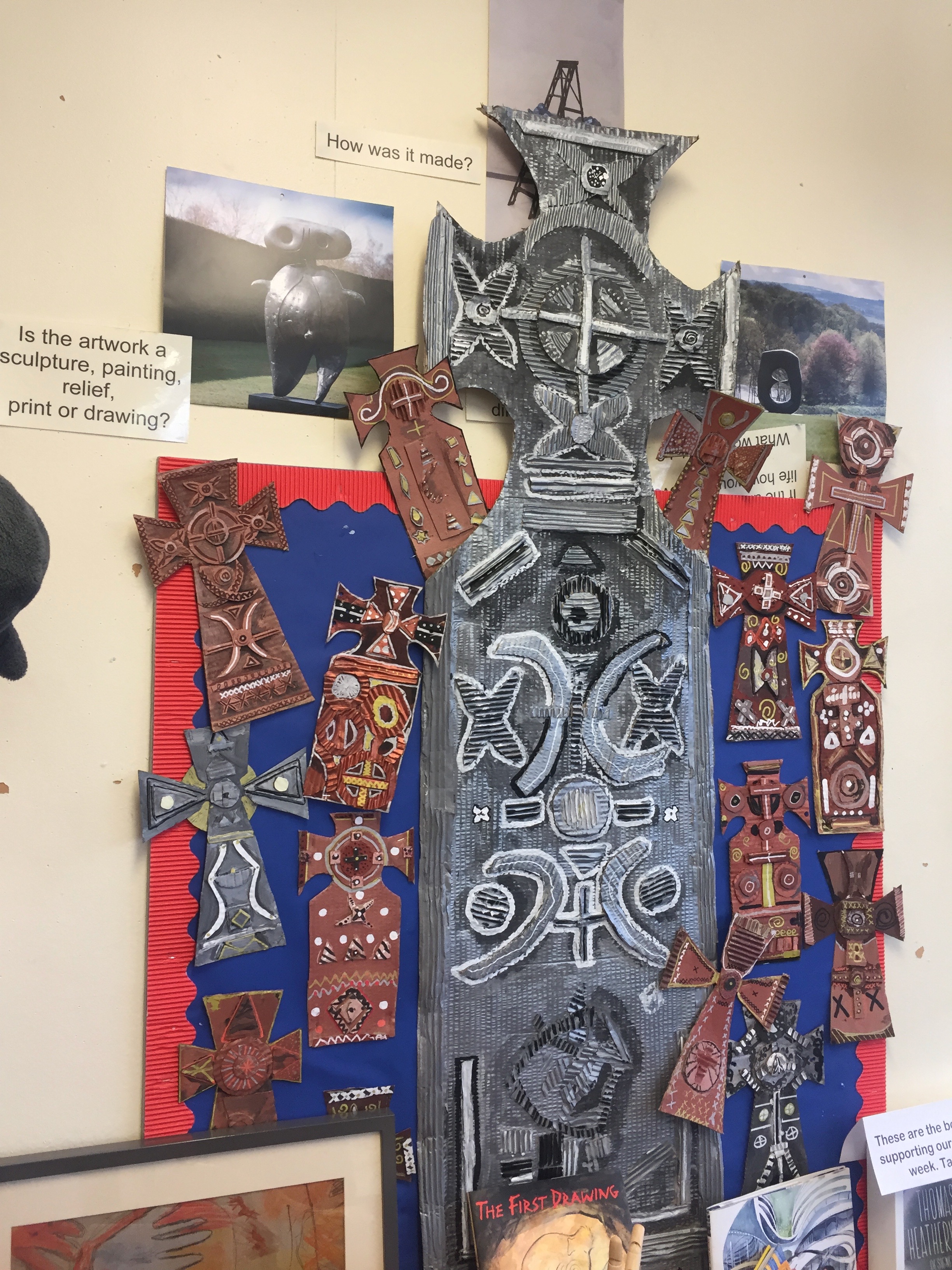
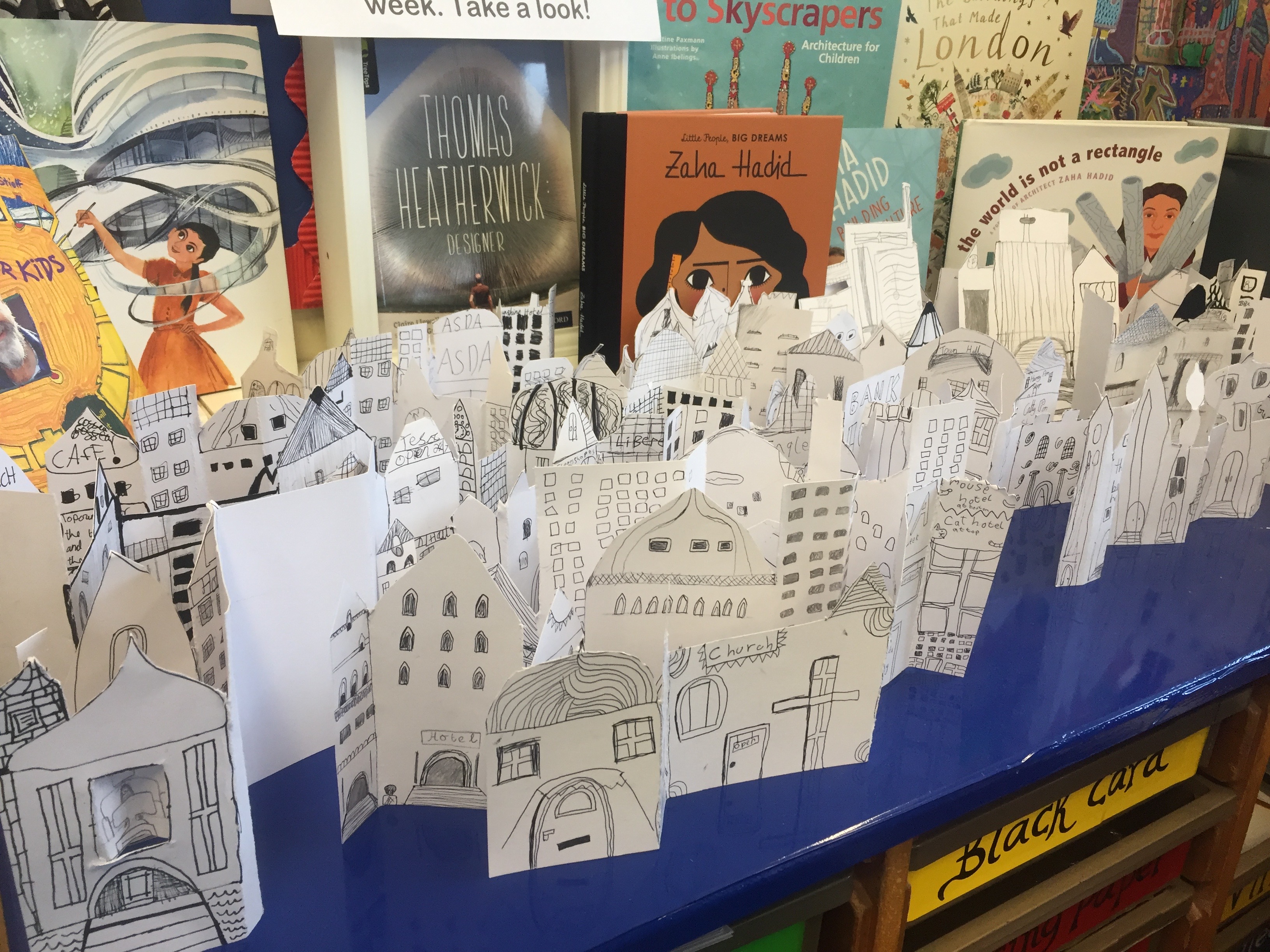
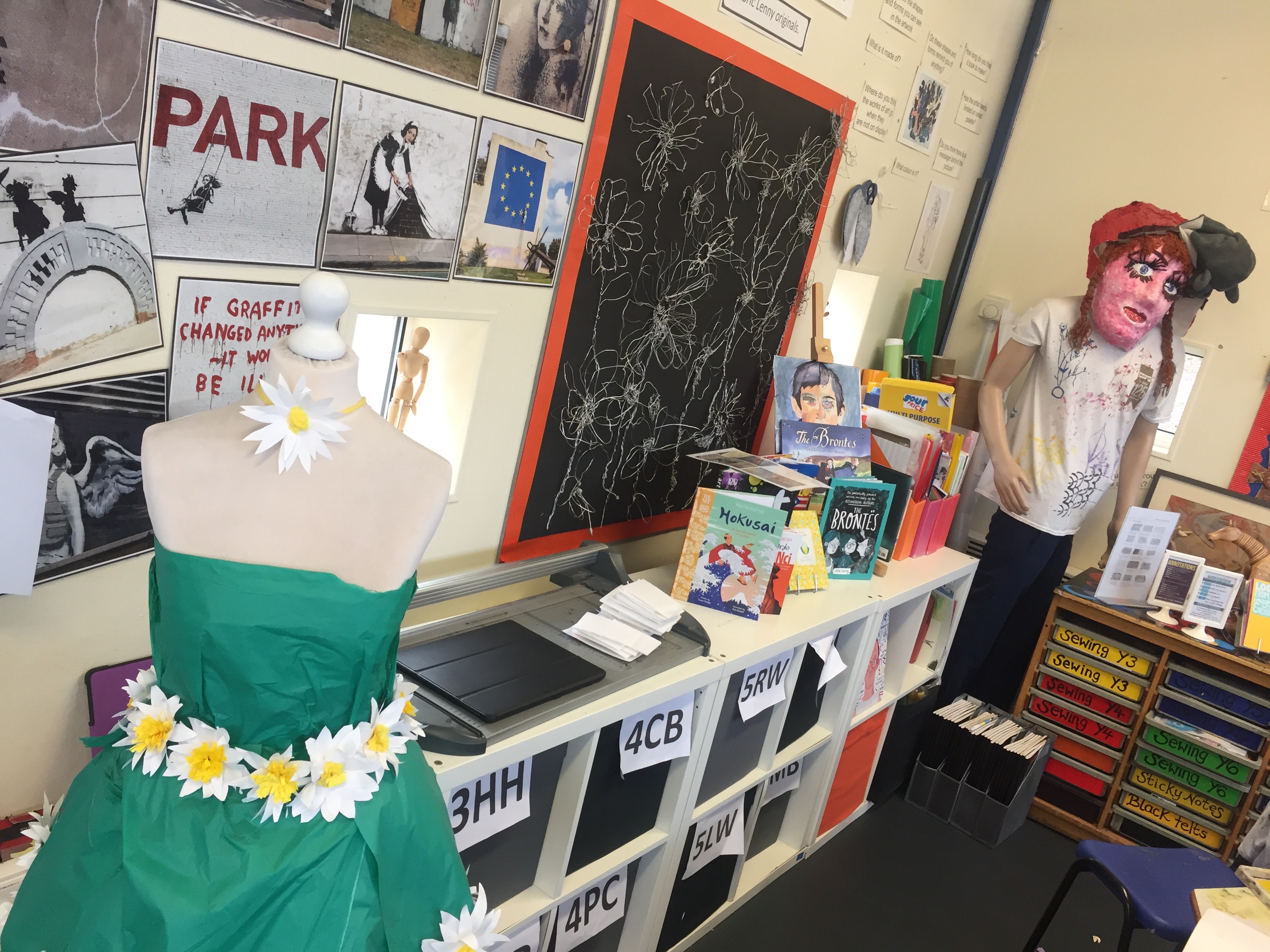
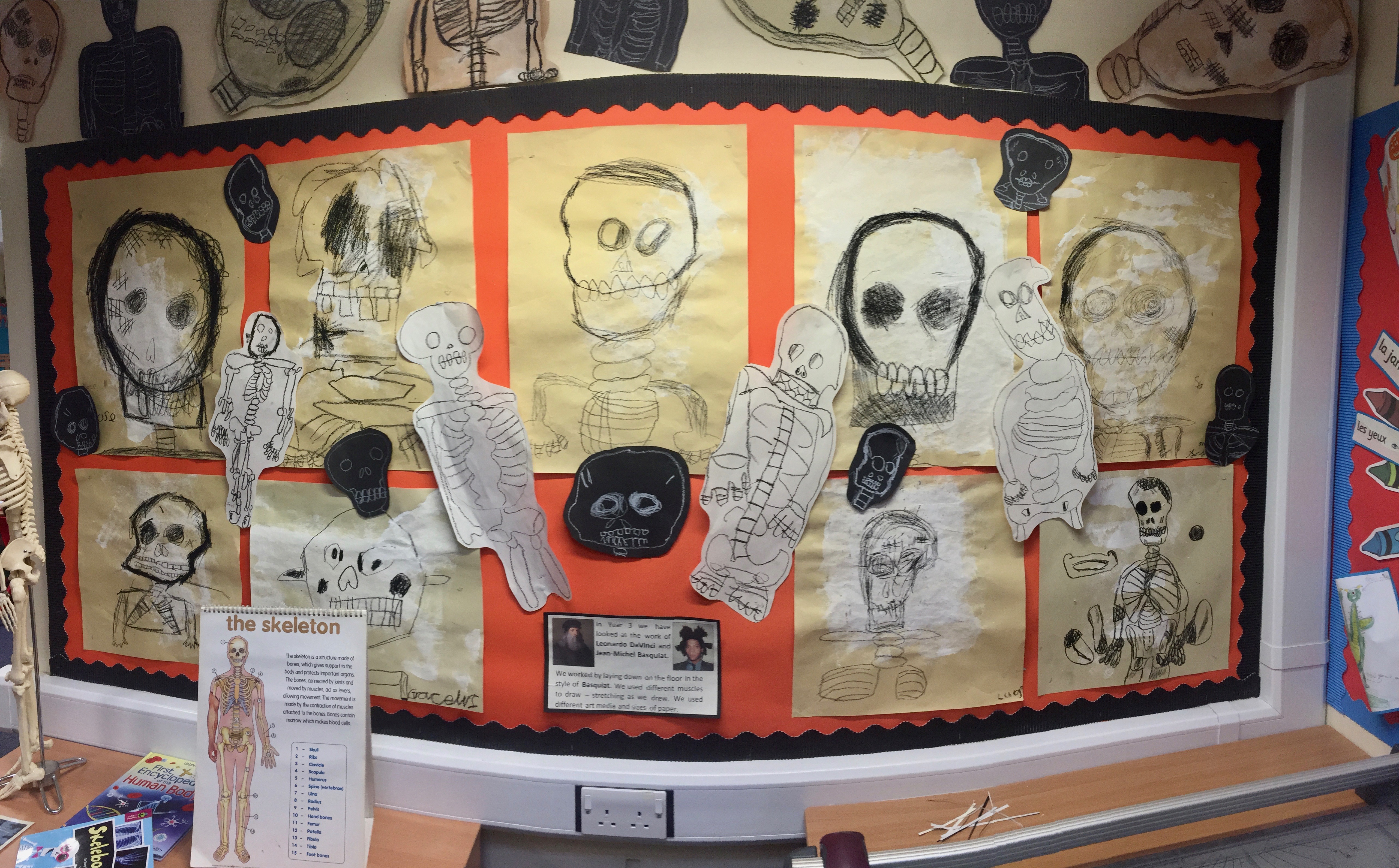
The Art Room was full of the students’ art work; Celtic crosses, shop fronts, skeletons, skulls, dresses and masks packed this busy space. 

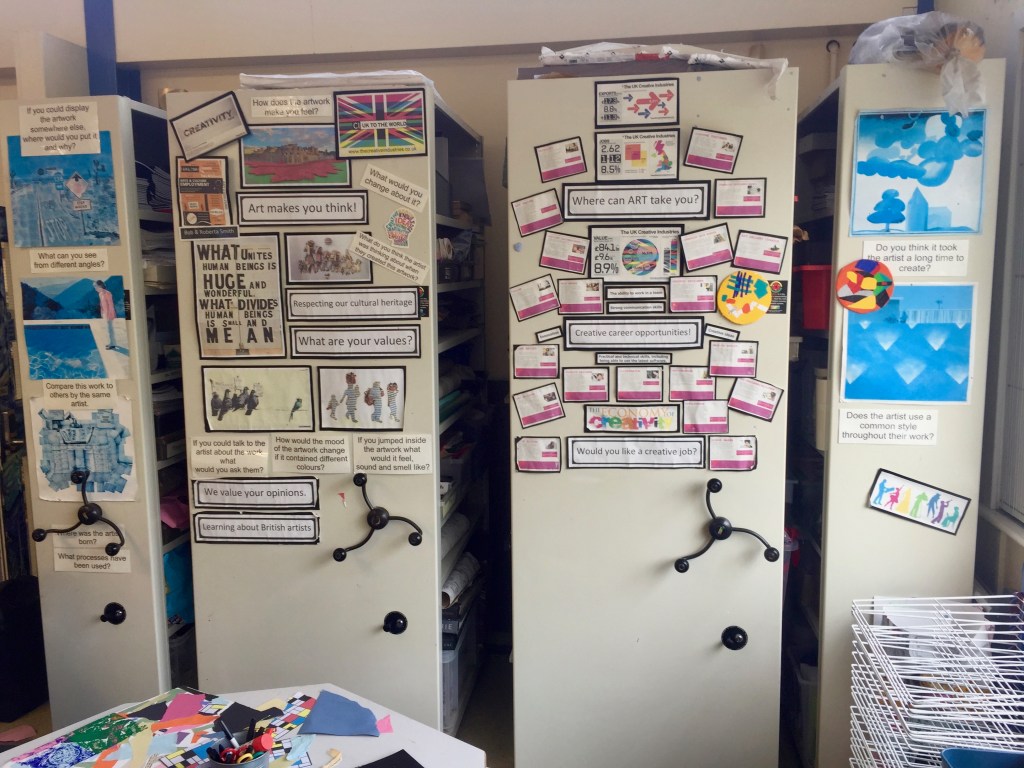
As academics and researchers, at home in libraries and archives, we were thrilled to see these roller storage units being used for the copious arts materials. 

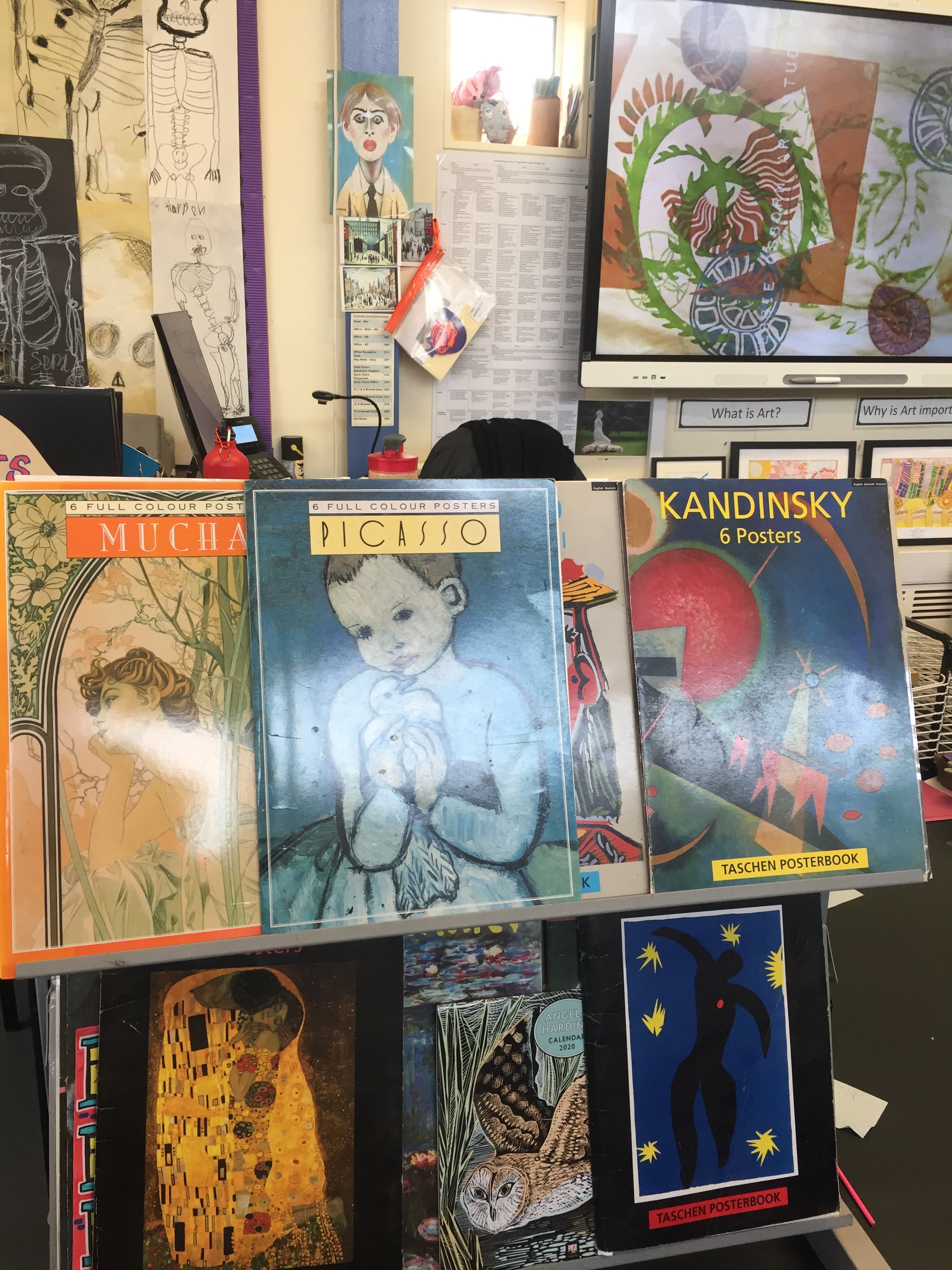
The Art Room also contained its own library: the books here covered a dazzling diversity of artists and their art.

Our photos don’t capture the music that was playing while we were in the Art Room, or the buzz of excitement from the children as they created their prints.

Speaking of music, one of the parents and school Governor is Andi Durrant, a high-profile DJ, producer and broadcaster. He now takes time to teach the students how to use the equipment in the music production/radio room – a well-resourced facility stocked with sample pads, midi keyboards, sampling and sequencing software, a mixing desk and microphones. Students had been creating own dance music recordings.

The sense of diversity extended to the themed art works that were on display from recent cultural and religious celebrations – Dewali, Hannukah, Black History Month, Bonfire Night, and Remembrance Day.

The striking minimalistic art works in the library took us back to our childhoods and returned us to the school’s immediate environs. The creator of The Mr Men and Little Misses, Roger Hargreaves, was born and raised in the adjoining village of Cleckheaton.

Finally, we saw some bespoke paintings which included lines from a poem, co-created by staff and students. Located in and around the Head’s office, they seemed to sum up the whole-school arts-focussed ethos that underpins this, and the other arts-rich primaries that we are privileged to visit during our RAPS research project. 

Thanks to Head Teacher Melanie Cox and Arts Lead Mandy Barrett for their warm welcome, insights, guided tour and coffee.

You may also be interested in reading our recently-published Art, Craft and Design Rapid Evidence Review – a survey of published scholarly literature on art, craft and design in education.

Artists and Art Auctions: Palm Bay Primary, Margate

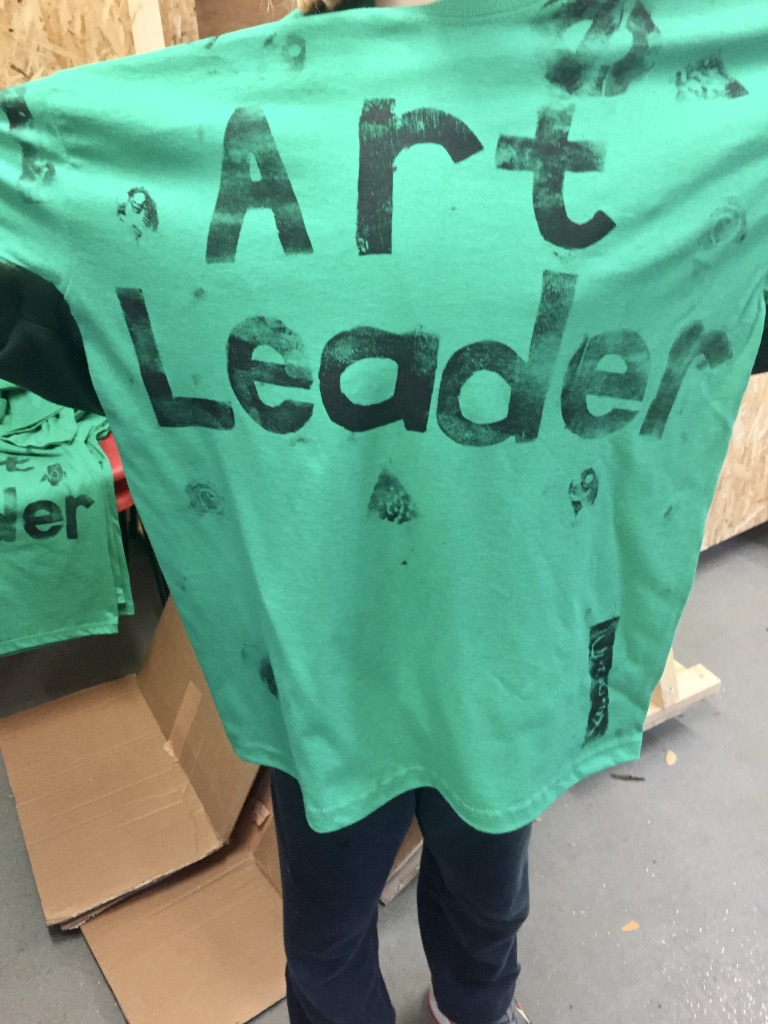
Art leader t-shirt. Screen print. Green shirt, black letters

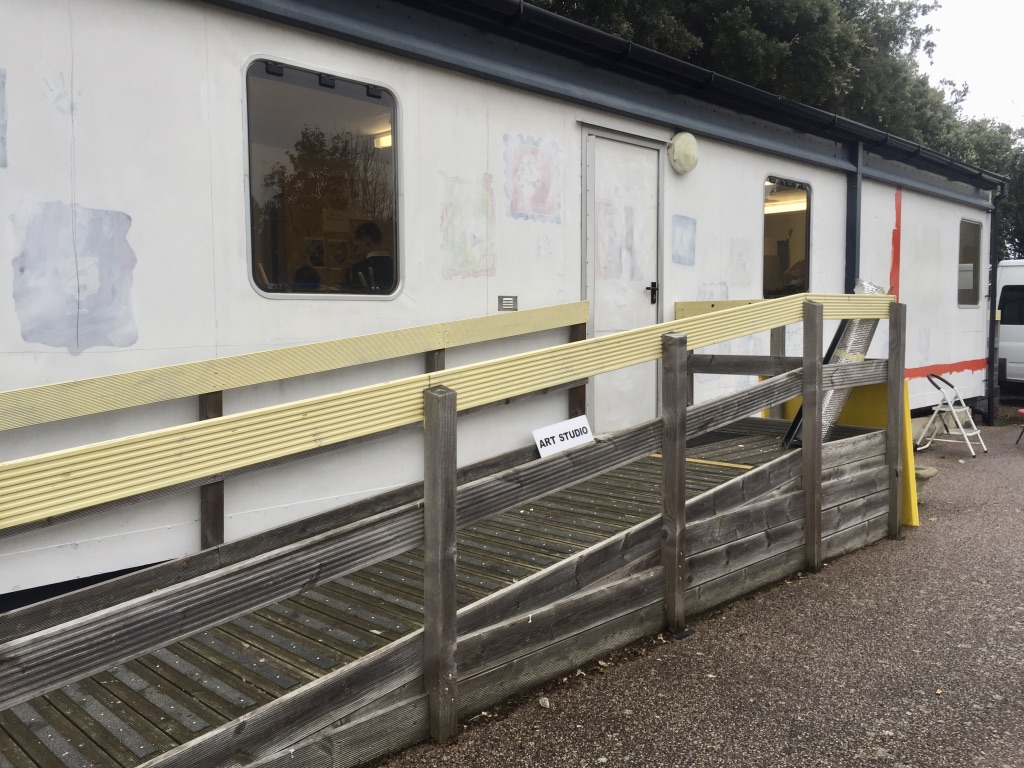
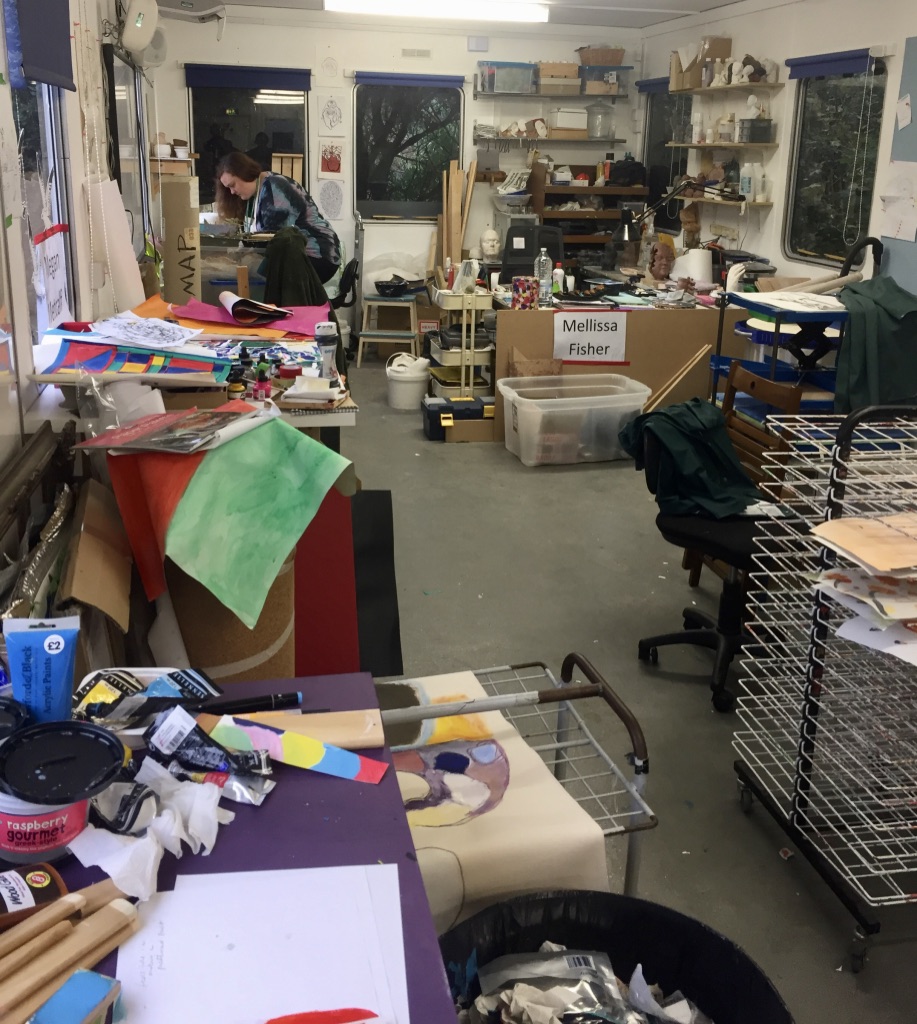
In the arts studio cabin at the front of the beach-top Palm Bay, five artists-in-residence (A.I.R.s) work and teach. In exchange for the use of the space, the equipment and the materials, the artists work directly with the school’s Young Arts Leaders (YALs) and increasingly, with teachers and staff at drop-in sessions, such as the Clay Club. We were lucky enough to visit this multi-functional space and talk with two of the artists as well as watching the YALs working on their ‘Arts Leader’ screen print t-shirts.

Palm Bay arts studio cabin - painted white
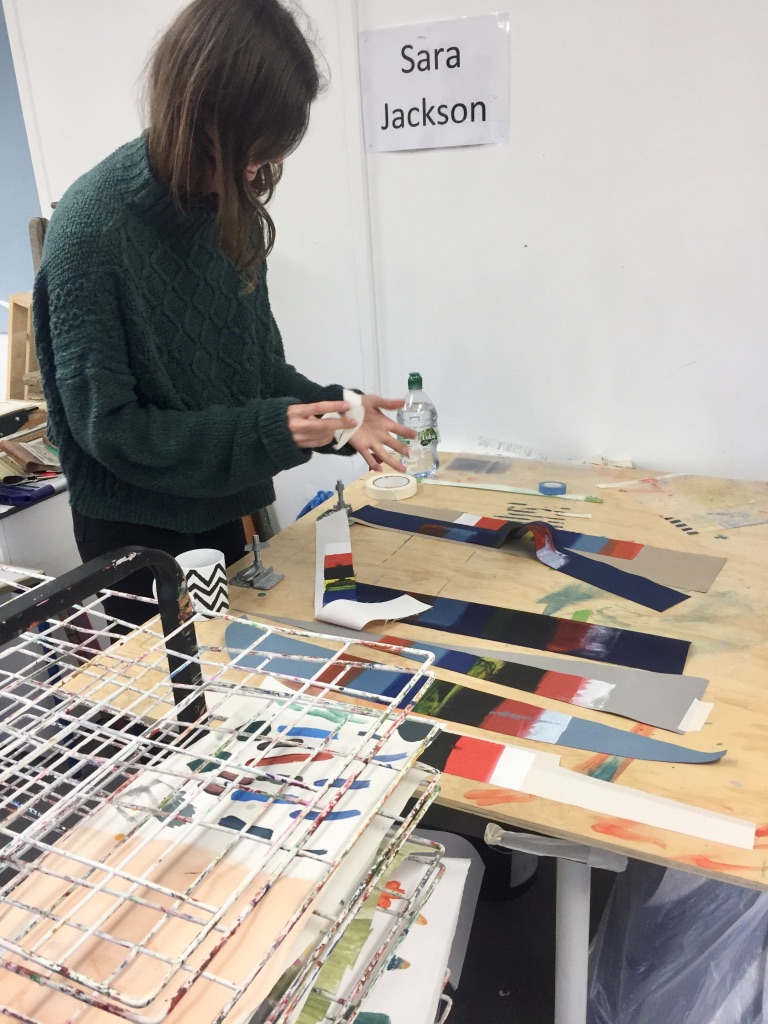
Artist-in-resident Sara Jackson

Artist-in-resident Sara Jackson, a Fine Arts graduate, talked about being inspired by spaces. She had created art from sail cloth and worked in the nearby caves and other seaside spaces.

Artist-in-resident Mellissa Fisher

Fellow A.I.R. Mellissa Fisher, a graduate of the innovative art/science Broad Vison programme, told us of her interest in nature and the body and how art can make the invisible visible. She was working on a body-cast piece with lots of ears that explored tinnitus. She has previously created (grown?) ‘living sculptures’ from the bacteria on her own face.

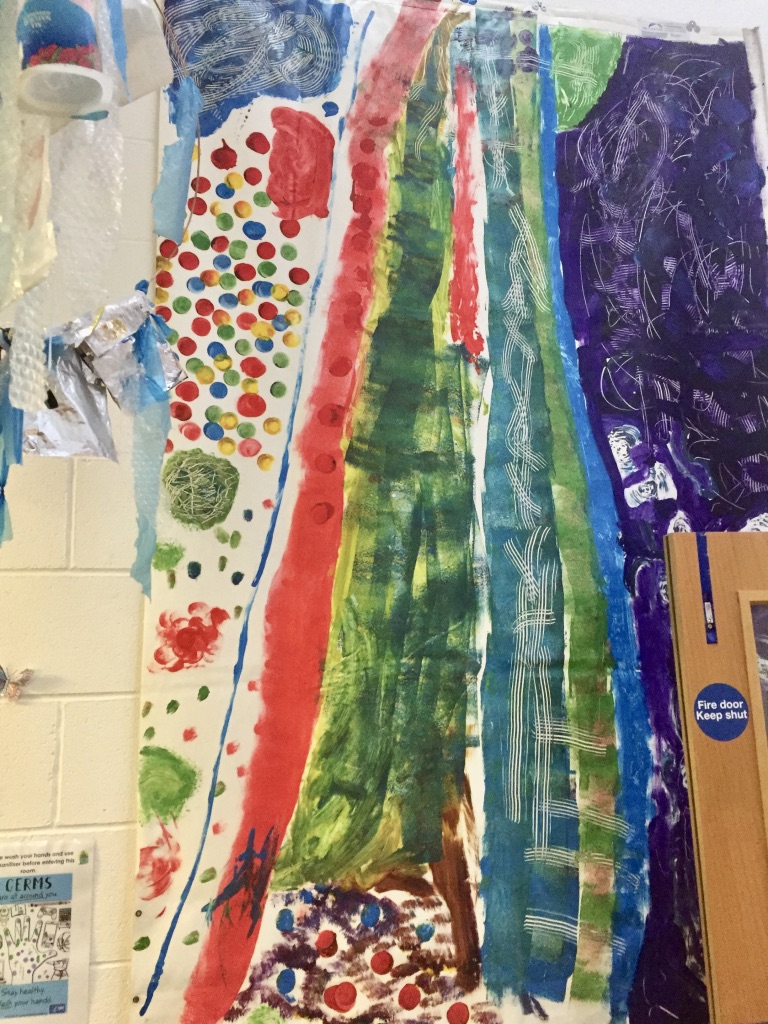
Large wall size artwork

This focus on organisms was a good metaphor for the organic ways in which the YALs learned from these artists before passing their new understandings on to their classmates, and to the general public for whom they offer guided art tours at the nearby Turner Contemporary. ‘Art is about sharing’, Mellissa told us.

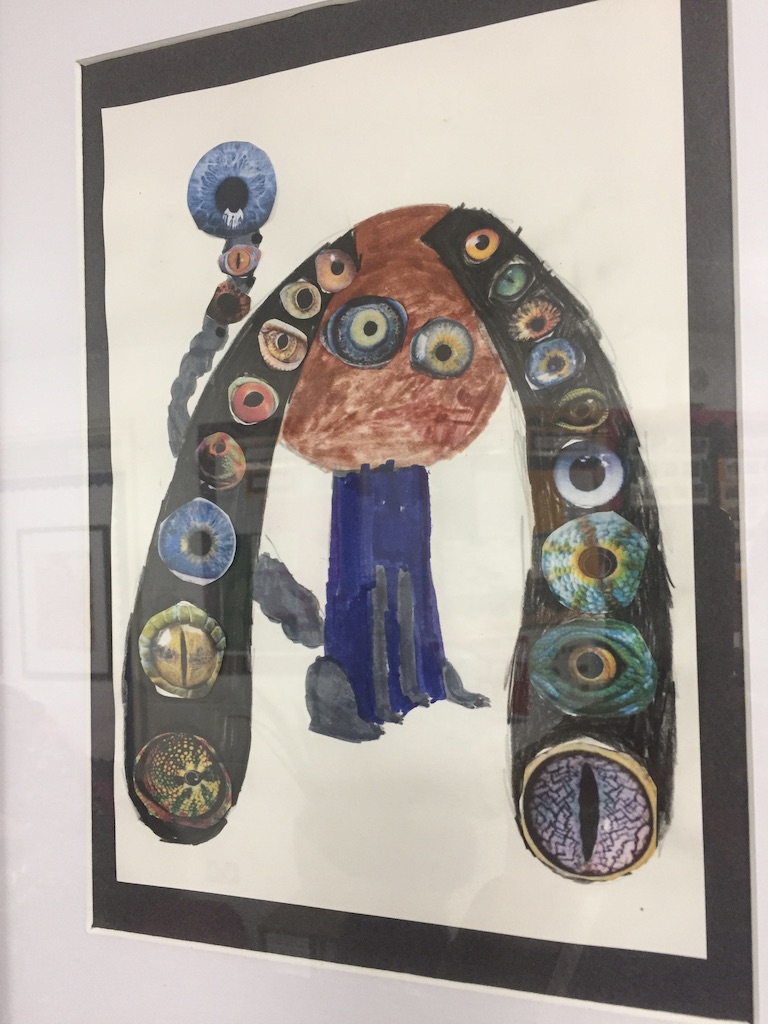
The influence of the YALs, the A.I.R.s and the school’s top-down commitment to the arts was evident in the abundance of art works framed and displayed on walls and in corridors.

YALs started as a four school project back in 2017. The programme works in partnership with the Turner, and is a product of the Art Inspiring Change project that has included 20 parents and fostered children’s leadership skills, alongside their substantial engagement with the arts. The A.I.R.s told us how through the arts, the YALs were learning how to solve problems, collaborate, and visualise. They talked about how the arts gave the children the opportunity to dig deeper and ask profound questions about the very nature of art.

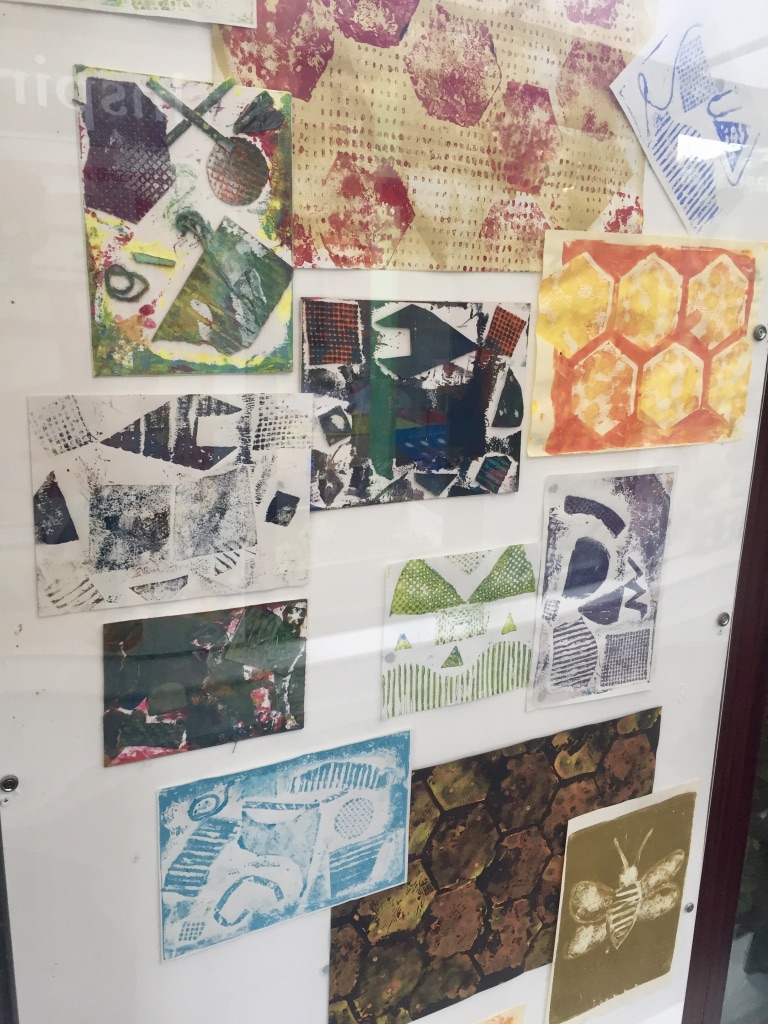
Students print making display

The A.I.R.s were just one way Palm Bay were using to maintain and develop their arts-richness by providing high-quality materials and experiences. Arts lead Mel Tong has developed an Art Auction. This year, 70 pieces have been donated by a mix of high-profile local artists and designers, and parents/family members. The event has grown in size and profile over the last four years or so. Initially held in the school hall, this year’s auction will take place in the Turner.

Palm Bay students' sketch books

The auction is conducted by local celebrity potter, and long-term supporter of the arts at Palm Bay, Keith Brymer-Jones, and attended by the local community. Mel told us how the proceeds have funded a kiln, printing materials, theatre visits and support all of the arts provision at the school.

Mel encourages the students to keep reworking their art. ‘There’s always something more that can be done’ is her message. The artists-in-residence and the art auction were developed in response to frustrations with the limitations of arts materials and arts budgets. These initiatives are evidence of Palm Bay’s ongoing commitment to the arts, and to the creative, innovative ways of meeting the inevitable challenges.

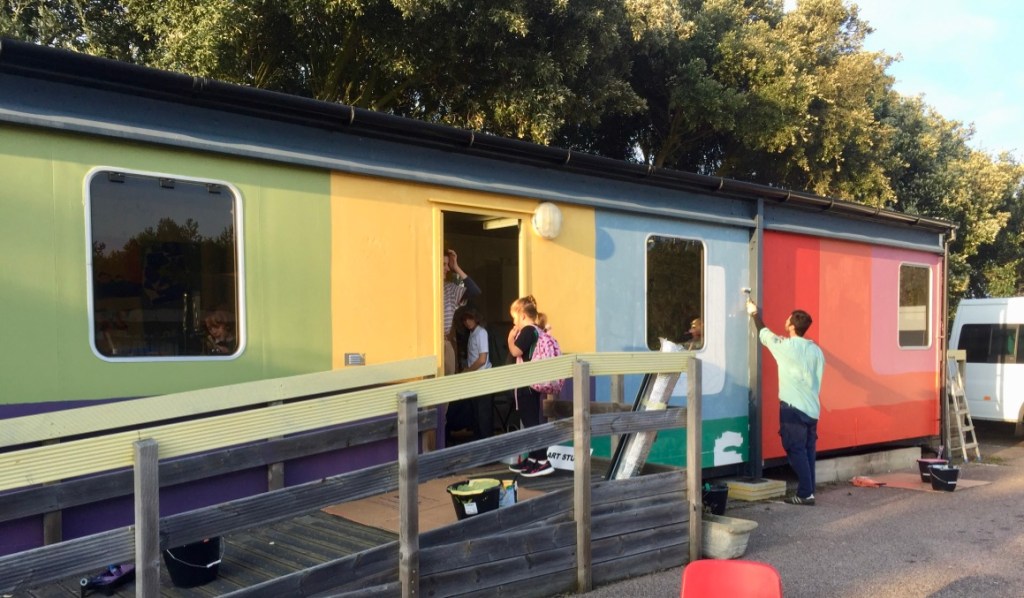
By the way, when we arrived in the rain in the morning, the arts studio was white (see above). When we left at the end of the day, it was covered in colours and design selected and created by the students. And it was sunny. The transformative power of the arts!

Palm Bat arts studio cabin - painted in bright colours and bold geometric designs

Our thanks go to Arts lead Melanie Tong, Head Lizzie Williams and all of the artists-in-residence and students from Palm Bay for hosting our visit.

You may also be interested in reading our recently-published Art, Craft and Design Rapid Evidence Review – a survey of published scholarly literature on art, craft and design in education.

Sidegate Primary, Ipswich: Our first RAPS visit

It’s not everyday you get to meet the Prime Minister or the Secretary for the Arts. So we were excited to have the opportunity to ask them probing questions about the arts in primary schools, or, more specifically, the arts in their primary school.

Because these dignitaries were all in fact students at Sidegate Primary in Ipswich, the first school that we visited in the RAPS project. The school parliament (all the members were proudly displayed in the foyer) and the dedicated Arts Council were clear signs that Sidegate was taking the teaching of democracy and the student voice seriously. As we found out, this dedication to student-centred and collaborative learning activities ran through the many arts projects that we saw and heard about.

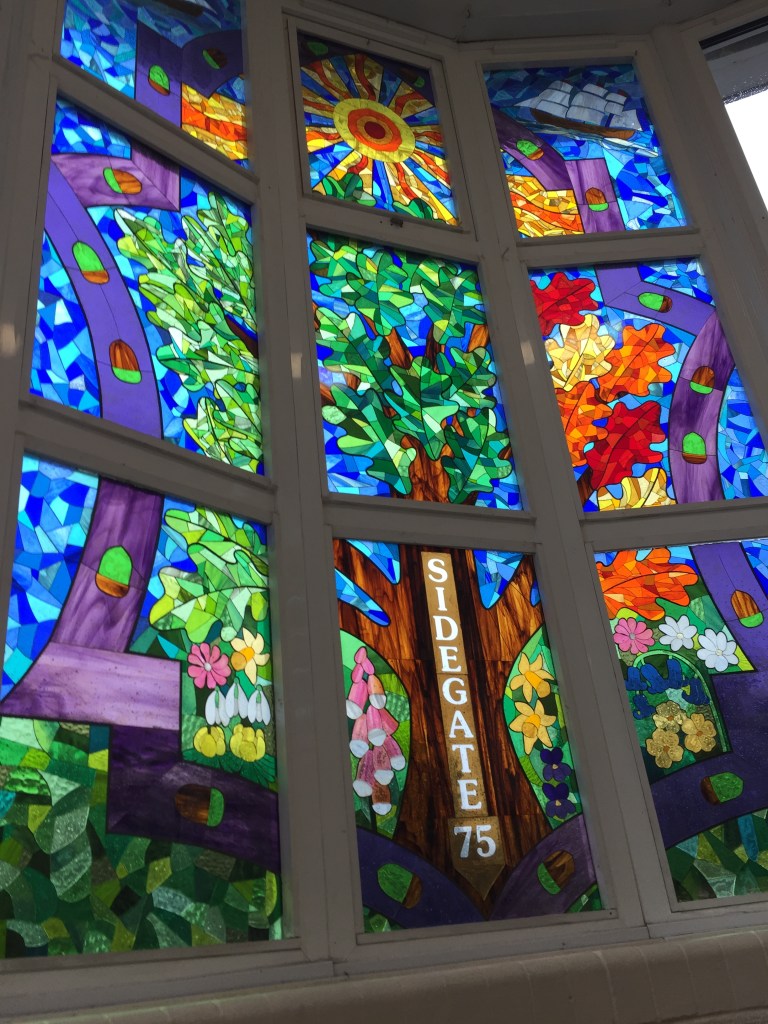
Sidegate is a school of around 650 students set just outside the town centre with a long established commitment to the arts. Staff could not remember a time when the arts were not central to the school’s curriculum and ethos. This history was evident in the large stained-glass window that commemorates the school’s first 75 years. The students who showed us around said that every child got to insert some coloured glass into the design.

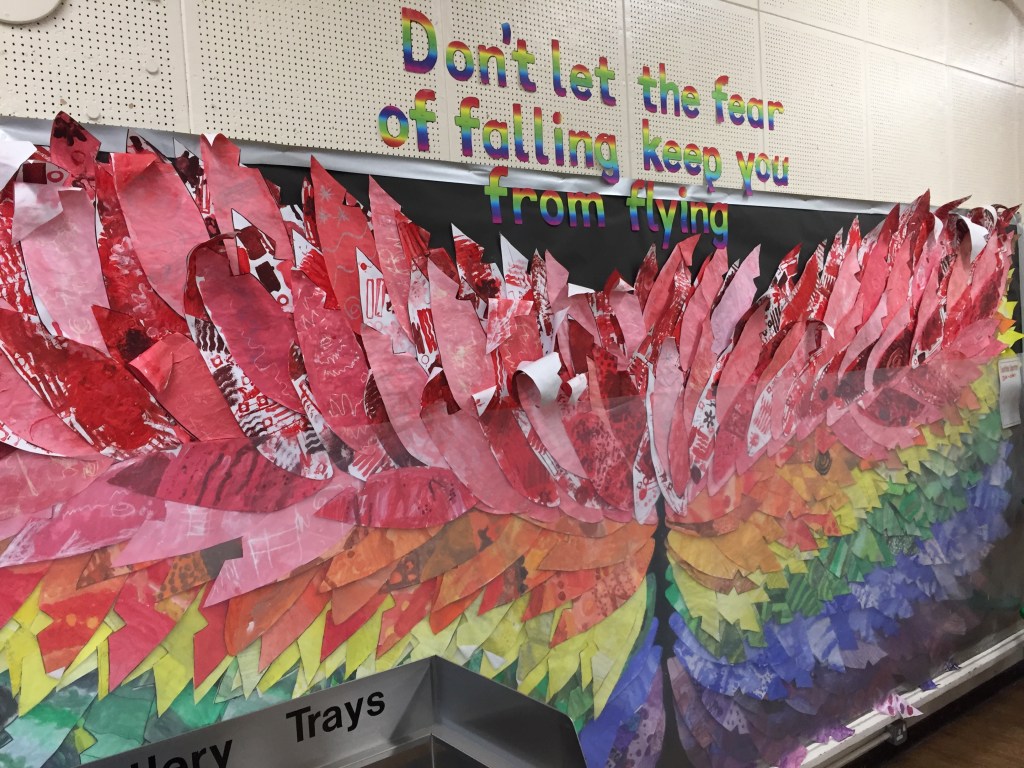
Displays of art covered the walls and ceilings of the corridors, classrooms and other spaces. The large bird-like display in the main hall was mentioned repeatedly during the focus groups that we conducted with students. Each of them made a coloured feather to contribute to the whole. The experience was obviously memorable and meaningful to them. The students talked repeatedly about teamwork in the context of artistic creativity.

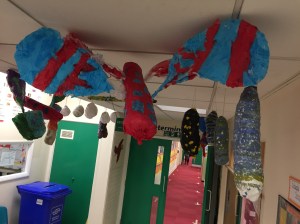
Butterflies, caterpillars and chrysalises were everywhere at Sidegate – hanging from the ceilings and climbing up the walls.  This was a whole-school creative project that embraced the themes of hope and change after the challenging months of being in lockdown. The metaphor of transformation was apt; a large choir was rehearsing in the main hall, their first chance to sing together in many months.

We were lucky enough to meet Trunks, an elephant who had long inhabited the school’s heated swimming pool but was now roaming a classroom. Trunks had been part of town-wide project that took the students’ collaborative ethos (each of them had decorated Trunks with their thumb print) into public spaces.

There was another public-facing arts example of Sidegate’s collaborative spirit on the waterfront, this time in the form of a long mural of sea creatures that had been created by a number of schools. The word ‘Sidegate’ and the colourful paintings must be the first things that many visitors to Ipswich see, as they were for us.

The Arts Council had lots to say about how they wanted to make the arts more enjoyable so that everyone in the school would want to get involved, and for there to be more arts (even more!) in the school. Their comments showed a nuanced understanding of the value of the arts in people’s lives (including adults) and a desire to diversify the arts that they do in school.

Thanks to Arts Lead Jane Ryder and all at Sidegate for a warm welcome on our first visit.

You may also be interested in reading our recently-published Art, Craft and Design Rapid Evidence Review – a survey of published scholarly literature on art, craft and design in education.
The ArtsMap video for this school and the others in the RAPS project are available on the RAPS Youtube channel. The videos have been produced by students to showcase the arts in their primary school.

What is an arts rich primary school?

Story-tent

We have now begun the crucial process of selecting arts rich primary schools. We’ve made an initial list form various awards and networks that we know about. We are speaking with the youth arts bridge organisations next week and we know that they will add to our beginning list, and also help us to refine it. These organisations have very good knowledge of schools that are active in arts education.

As part of the selection and recruitment process, we have thought more about what arts richness might mean in the primary sector. We expect our research to test out these initial selection criteria and also to allow us to go much deeper.

Here is the information we sent to the youth arts bridge organisations ahead of our meeting.

We are looking for nominations for a long list from which we will select 20 arts rich schools. Schools will be selected to ensure a balance of location, size, sector, population. We are primarily interested in state schools that serve both ordinary and disadvantaged communities. We are considering the possibility of focusing on some locations, but also do not want to miss any interesting outliers. We want to avoid “over-researched” schools.

These are the criteria we are working with at the moment. Individual schools may not meet all of these criteria, and we are looking for different combinations. We would like to construct a sample that allows us to focus on a mix of art forms. 

  1. The arts are part of the school identity and school culture. They are integral to who they are and what they do each day. The schools have a long history of arts and cultural education. The arts are not used simply for promotion.
  2. Resources are allocated to the arts and material space is made for them. There is visible “kit”.
  3. There is a broad and balanced curriculum in which the arts are taken seriously – the arts are integral to the curriculum on offer to all children. There is regular and separate teaching of “arts subjects” – there is a curriculum plan which shows the sequential development of theory and practice (knowledge and skills). Children understand the arts to be important. The school may specialise in one arts subject, but does not ignore the others.
  4. There is a coherent and explicit philosophy for teaching the arts which underpins the selection and nature of key concepts and skills.
  5. The school has productive partnerships with arts organisations, including galleries and museums, local artists, and arts in the parent community and neighbourhood. The school is permeable, acts as a hub.
  6. The school is connected to local, national and/or international networks which bring arts resources, conversations and practices – post pandemic these may be strongly geared to the digital.
  7. The school has specialist staff or consistent access to arts expertise (bought in, artists in residence).
  8. There is a strong arts lead with time and resources. Staff, including the lead, have continuing PD in the arts.
  9. There are extra-curricular arts activities.
  10. The arts are included in work and careers focused education and activities.