Music and the performing arts thrive at Anston Greenlands – Here’s how

If, like Anston Greenlands, your primary school has a strength in music, you will know that your ability to sing together and play instruments has been severely limited over the last 18 months or so.

As a band member (since the age of 12) and a songwriter, Head teacher Alex Wirth is not only passionate about the music (and the arts in general) in his school, but has come up with innovative ways of providing exciting musical learning experiences. The methods may have been influenced by lockdown but are now proving valuable in themselves.

From our point of view, researching music and performing arts in schools can be challenging when compared with visual arts. Only occasionally do we get to see dance, drama, instrument or singing rehearsals, and so far on our RAPS visits, we have not seen a final performance.
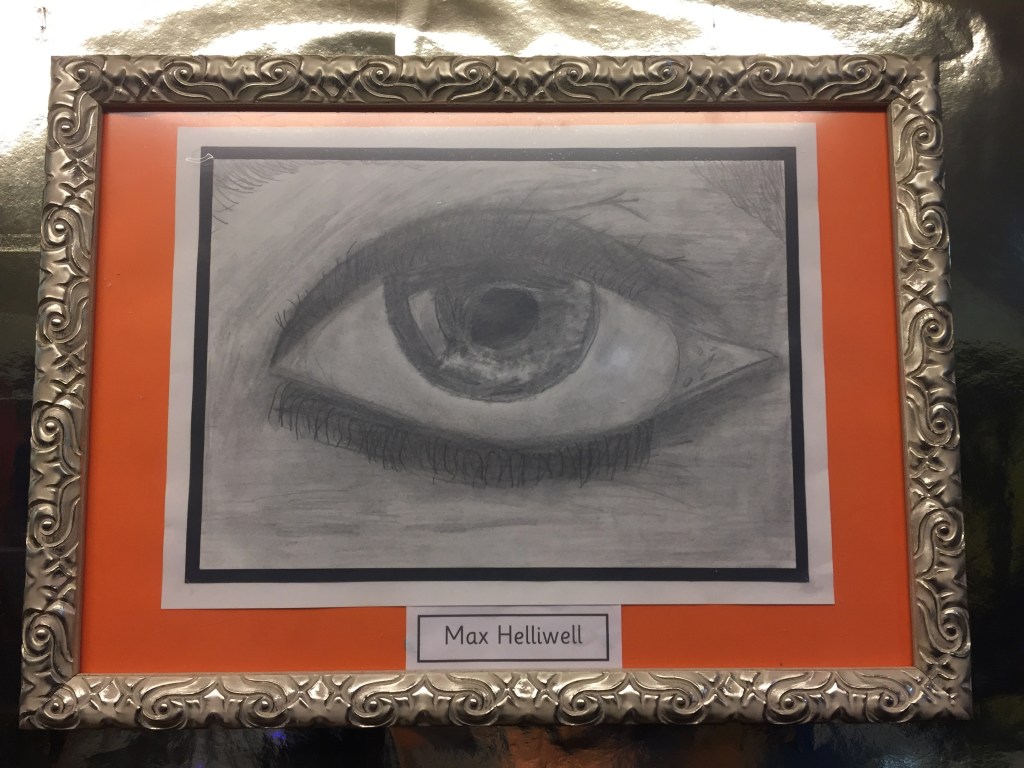
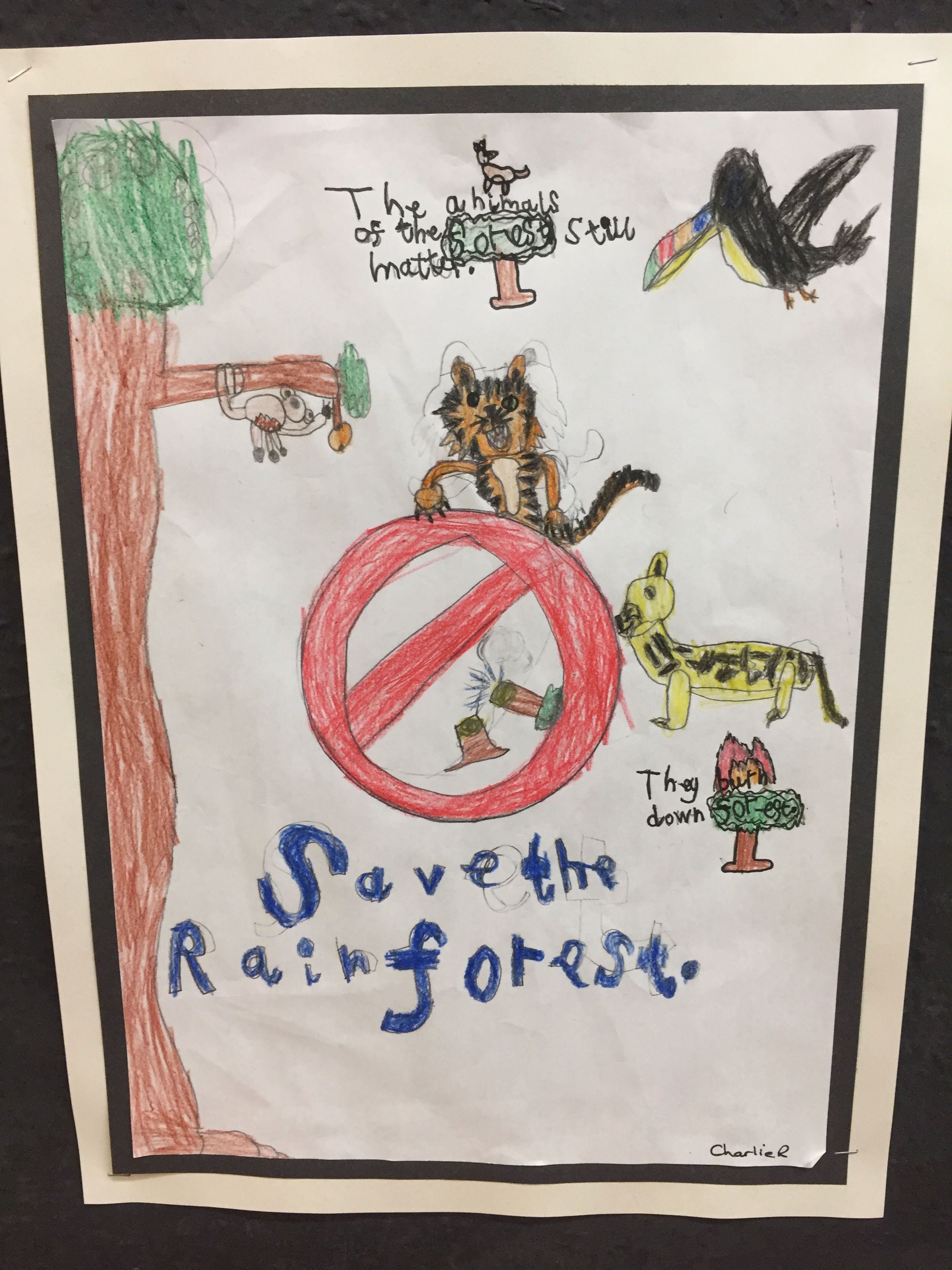
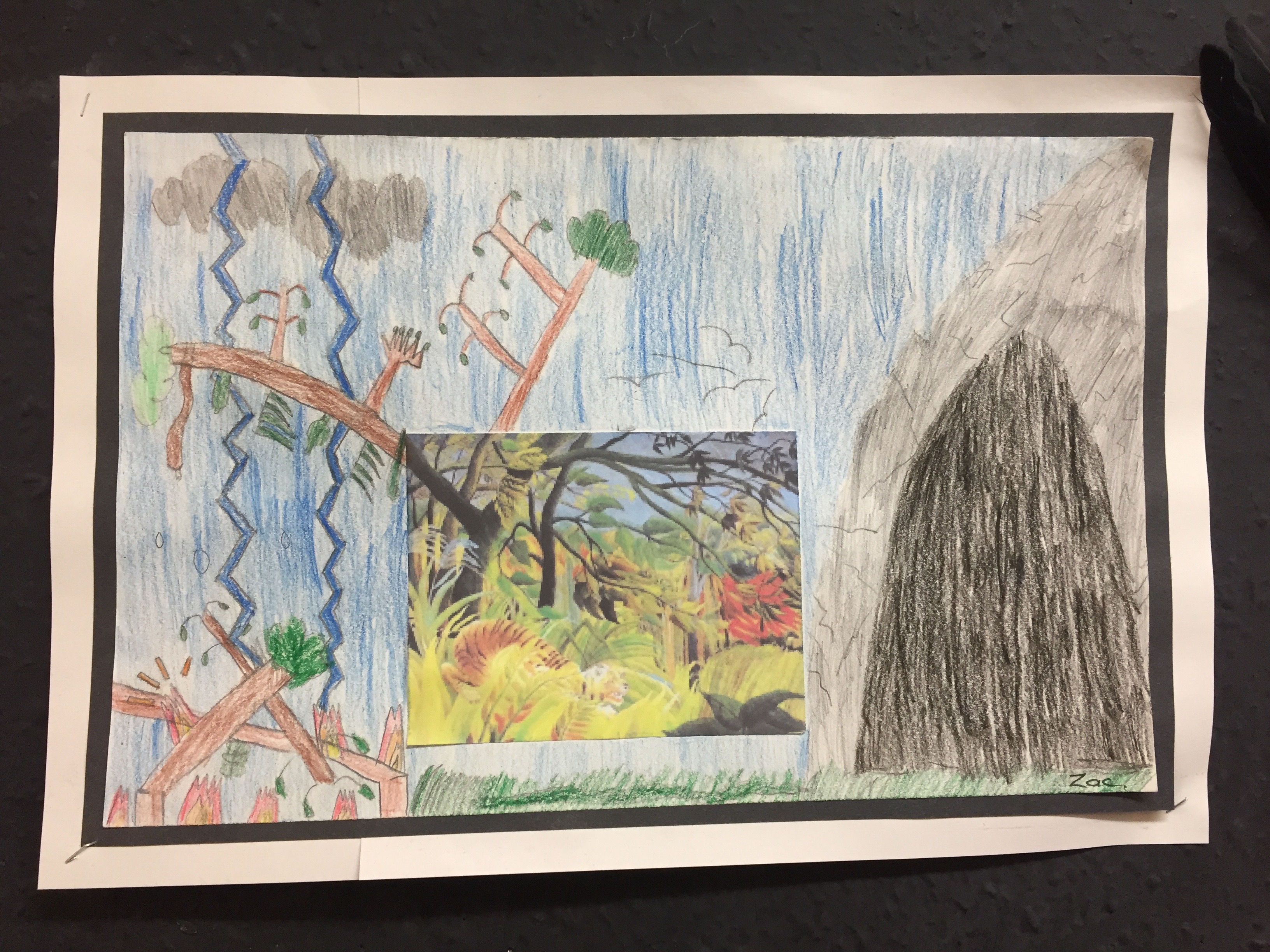
Unlike drawings, paintings and other visual arts, music is not displayed on walls or tables. We rely on students and staff to give us their verbal insights into music and performing arts activities. So, when we can, we love to see it and hear it!

So it was exciting to discover how Alex and the team at Anston Greenlands had been using songwriting, singing and recording during lockdown to produce songs and videos for the school’s YouTube channel (200+ videos).

For example, ‘These Four Walls’ is a whole-school lockdown-themed rock anthem, features ideas, words and singing from the students and playing from the Head and musician parents and friends. Most importantly, the song was put together while many of the students were learning from home. They sent in their remote vocals and air-guitar videos to sit alongside those of their in-school classmates.

Screen shot from Anston Greenlands' 'These Four Walls' video on Youtube

The school’s dedication to creating original songs (and videos and artwork) for YouTube dates back to ‘My Fight’, a song they did in aid of WarChild.

As well as music videos, YouTube was integral to projects about the environment, history and other topics. For example, Alex had posted a series of video messages ‘from the future’ which were tied to the arrival of a big mysterious package in the playground and a sustainability theme.

Not only are the videos a great way to showcase students’ work (to families and arts-in-schools researchers!) and engage them in time-travel adventures, these short films have kept students and families tuned in and involved during lockdown and beyond.
Finally, Alex and the team had made another Covid-inspired change to the school, this time to the physical structure. Last Spring, frustrated by the lack of opportunity for his students to sing, dance and make music together indoors, they had a light bulb moment. 

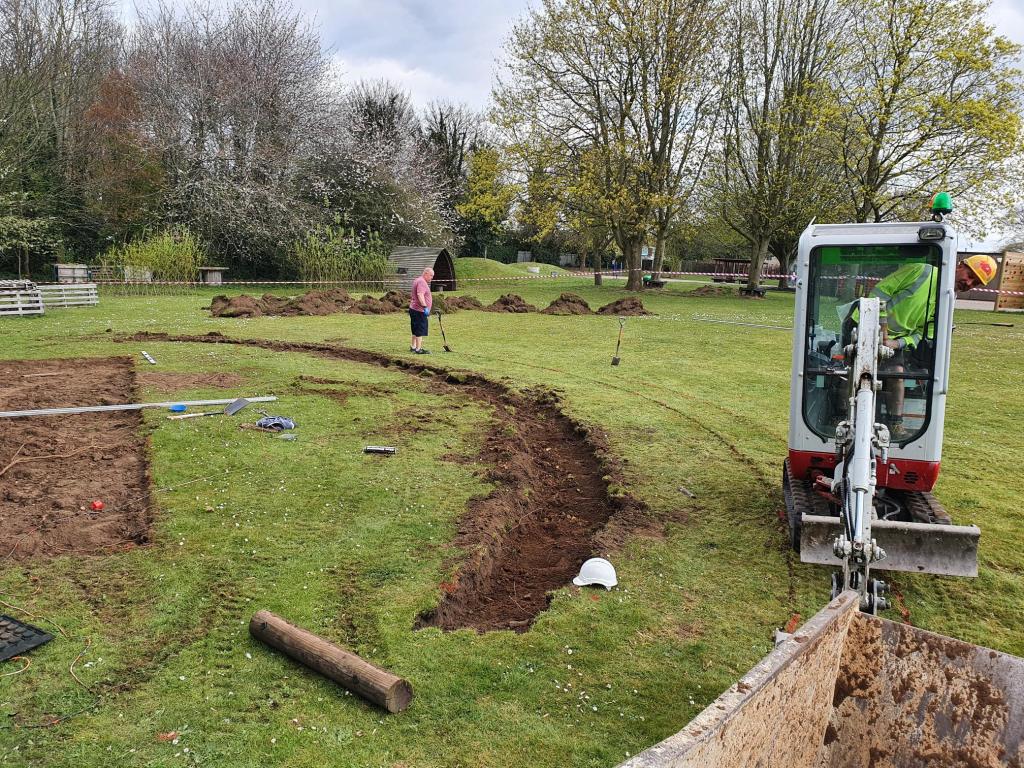
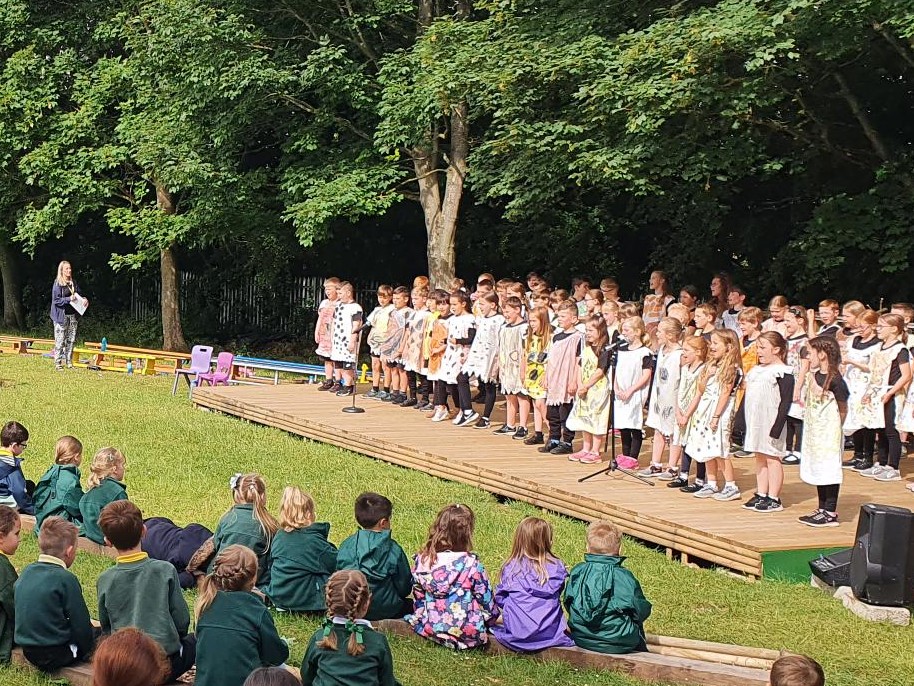
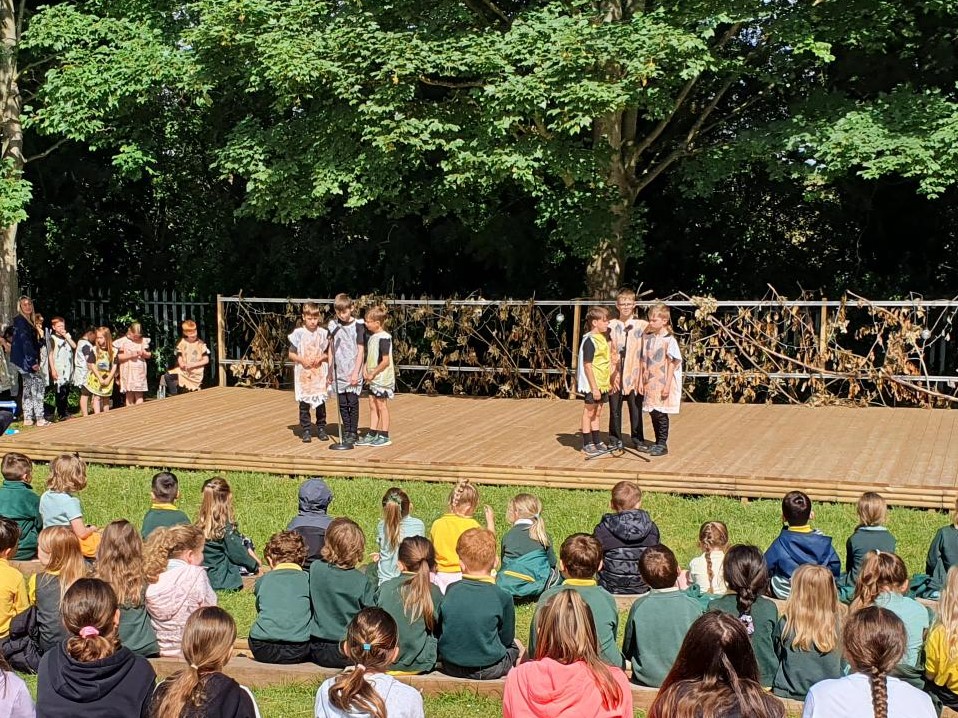
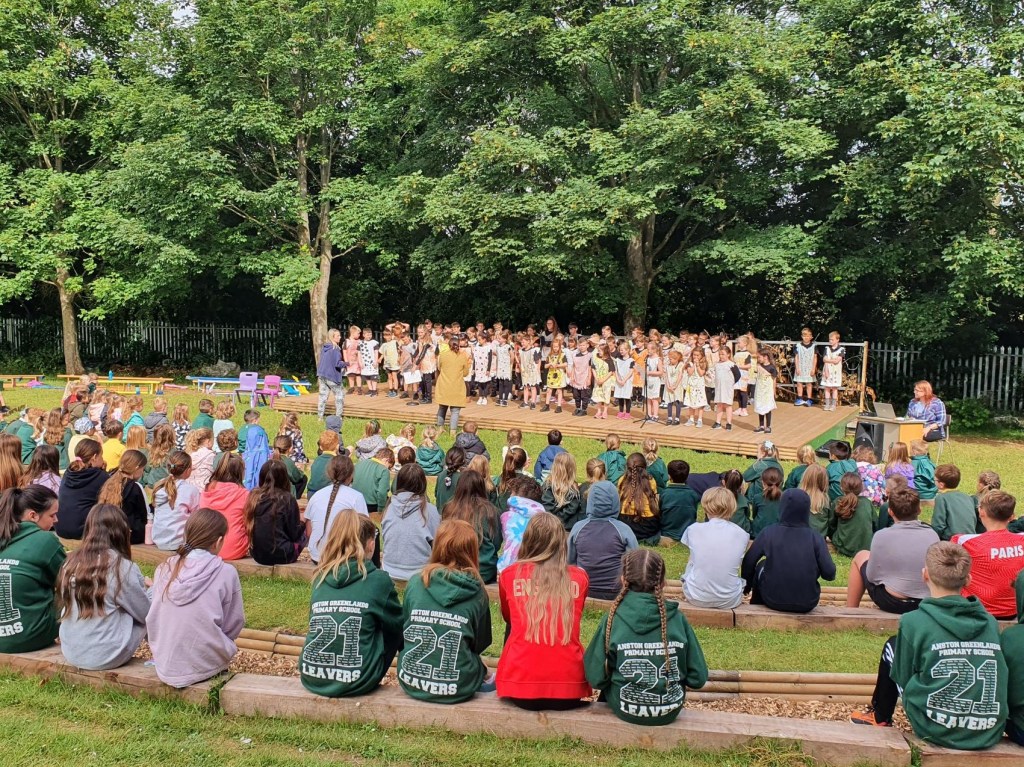
In a blur of activity, Alex got on the phone, hired a digger, went out onto the school field with the caretaker and a TA, and dug the school an amphitheatre. The curved and raked seating was completed with a substantial wooden stage, perfect not only for the music, dancing and drama work they were doing in school, but also for hosting parents, families and the local community to open-air performances.

While the sun struggled to get over the horizon during our wintery visit, the photos of the children singing in the summer sun lifted our hearts. We could almost hear the music – a sure sign that whatever the challenges, schools like Anston Greenlands will keep primary music and performing arts alive and thriving.

Many thanks to Head Alex Wirth, Deputy Kate Roberts and all of the Year 4, 5 and 6 student who gave us an insight into the arts in their school.

You may also be interested in reading our recently-published Art, Craft and Design Rapid Evidence Review – a survey of published scholarly literature on art, craft and design in education.

The ArtsMap video for this school and the others in the RAPS project are available on the RAPS Youtube channel. The videos have been produced by students to showcase the arts in their primary school.

How the Arts have transformed Feversham Primary

Feversham is a large primary school located in Bradford Moor, an area of pronounced social deprivation less than a mile from Bradford city centre. It is an exemplar of how the Arts can transform a school. 

After being placed in special measures a decade ago, the decision was made for music and drama to form the core of the school’s connected curriculum. This has not only produced excellent results in maths, reading and writing, but has contributed to the students’ confidence, positivity and friendliness, all factors noted in the school’s recent Outstanding Ofsted report.

Our day-long visit began with a lively assembly in which Year 3 students used music and drama to depict the employment and education of Victorian children. The graphic depictions of working conditions and punishments elicited a flood of questions from the rest of the students.

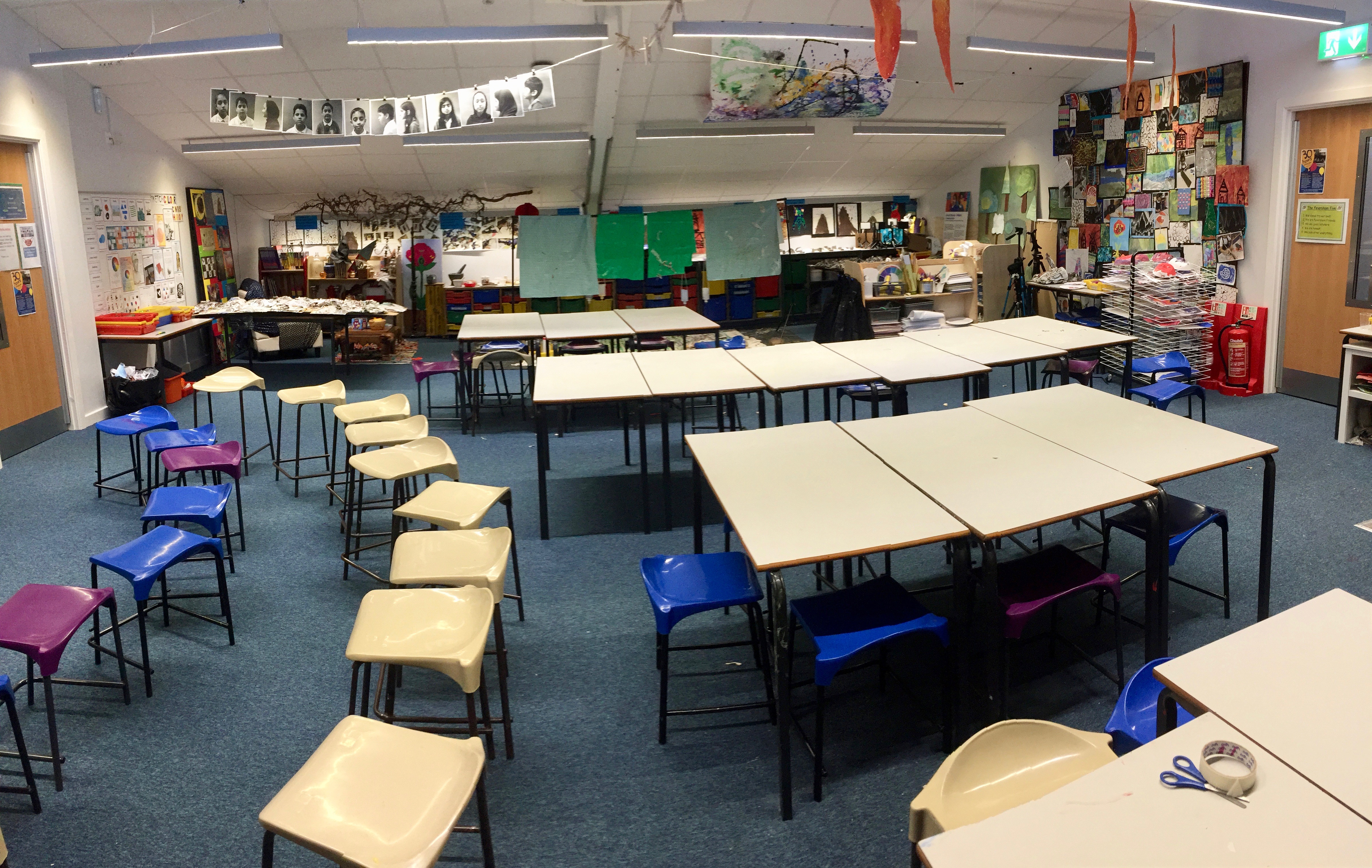
Our guide for the day was Arts Lead Alisa Yates. We began our tour in the large, light and open Arts Studio. A wide range of media and techniques were displayed on walls, drying on racks and hanging on strings. 

Alisa has written an article all about this creative space in the latest edition (#33) of NSEAD’s AD Magazine. In it, she talks about promoting independent thinking and a proactive approach.

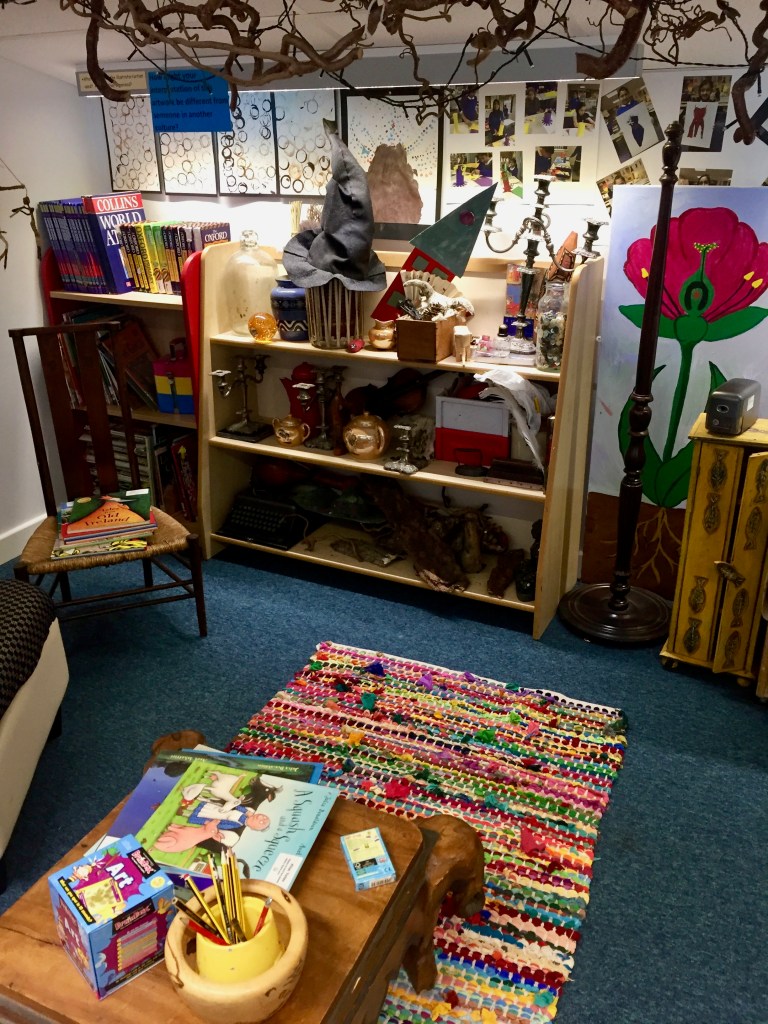
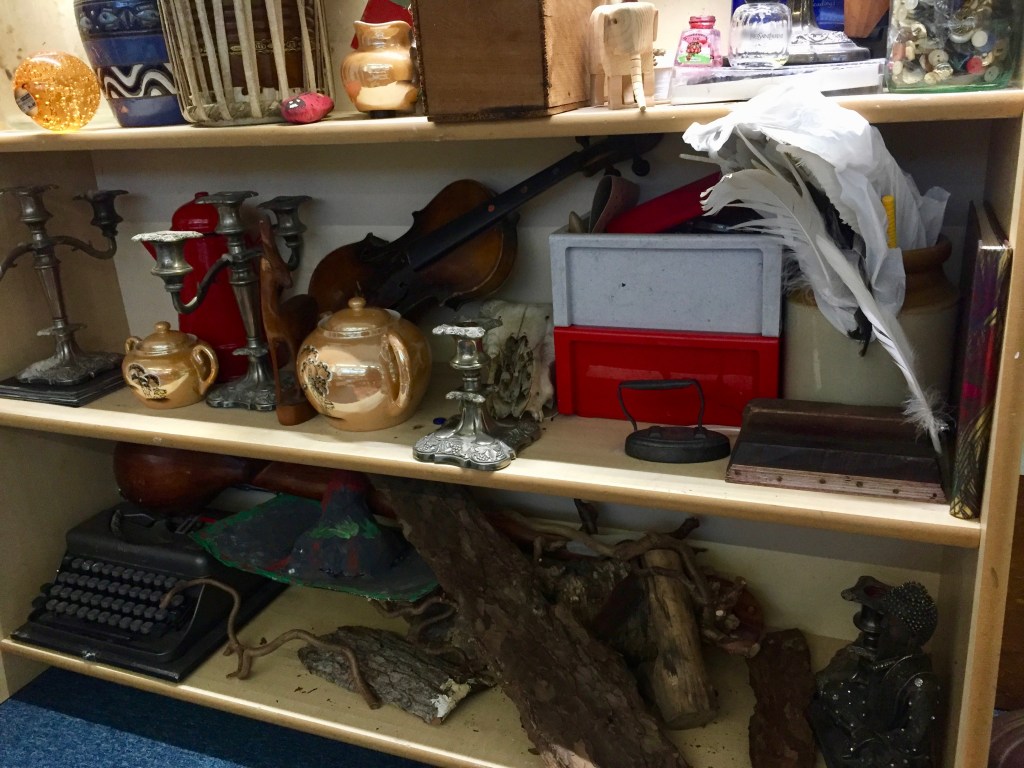
There was a corner ‘curiosity’ area with comfy seating where students could use the miscellaneous objects as stimuli for sketching and inspiration.

Alisa showed us the table of pestles, mortars, gums and stones used to make paints and dies. We were told how the children would learn about the process of grinding and combining ochre and other materials to make powders and pigments that would become the colours they use for their own art works.

The Art Studio also contained light boxes for a stop-time iPad-based animation project. Alisa told us of her professional background in photography from the age of 16 often working with her own team of stylists and technicians. She is a current arts practitioner specialising in watercolour painting, photography and textiles.

Her ongoing exploration of media and techniques, and passion for experimentation was evident not only in the vibrant Art Studio, but also in the conversations we had with Year 4, 5 and 6 students. Their many arts activities at Feversham are documented in this ‘Art Studio’ blog. Alisa also curates this ‘Art Academy@FPA’ blog which includes stimuli, activities and learning materials.

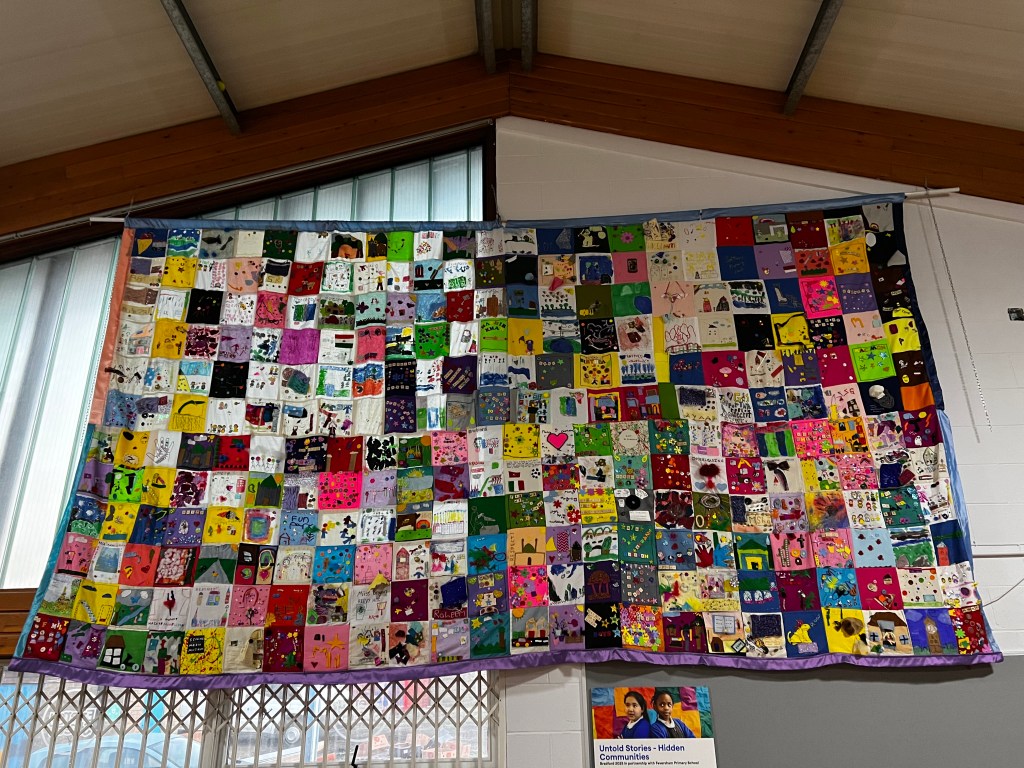
Led by Alisa, the school had been involved in a quilt making project. Feversham students, in partnership with the Bradford 2025 Year of Culture bid, made a video to explain the project and to ask other schools to contribute squares that communicated something about their ‘Untold stories, [and] Hidden Communities‘. The 200 individual squares were sewn together to create ‘a collection of memories and histories’ specific to the area and to the children.

We also met Jimmy Rotheram, Senior Leader for Music – probably the only one in the country, he told us. It was Jimmy who was leading the assembly earlier. Starting as a supply teacher eight years ago, Jimmy has developed an effective and influential music programme based largely on his training in Kodaly and Dalcroze, undertaken alongside his teaching. As a primary music expert, Jimmy and the music pedagogy of Feversham (up to six hours of music per week) have been featured in The Guardian, on the BBC, and in podcastsYouTube videos and teaching magazines.

Jimmy talked about his mission to get the music of his many Muslim students more widely recognised. Like Alisa, Jimmy has a professional arts background – in music performance, a record deal and working in the industry.

Jimmy told us: ‘I have had formal music training. I just always found reading music far more difficult than someone of my musical ability should have done. It wasn’t until I discovered alternative ways of developing musical reading that my own ability to read music managed to catch up, and I discovered that all children could learn to read music well if taught in more child-friendly ways‘.

He bases his teaching largely on singing, rhythm and body percussion. You can read more about his ethos and methods here. His book (to be published in the Spring) will explain his methods to other music and performing arts teachers. 

We were impressed by the time, effort and dedication that Alisa and Jimmy spent working with the Early Years and reception children and staff. It was clear that, through the arts, the school were building skills and confidence from a young age. On our visit to this area, we enjoyed the subdued lighting, stand-up easels and attention that had been paid to creating a warm and inspiring environment. As a demonstration of how Jimmy has embedded his approach to music across the school, a group of reception children were assembled to participate in a spontaneous singing and movement session.  

As well as music, singing, quilt making and the Arts Studio activities, students had been working in collaboration with the Joss Arnott Dance Company.

The school is currently undergoing extensive expansion. The main hall has already been extended to incorporate a stage and the new site will include an updated music room. The transformation continues.

Feversham is a story of how arts pedagogy, arts leaders with professional arts backgrounds, and the creative application of continuing professional development can transform a primary school, drive the curriculum and inspire many others beyond the school gates.

Our thanks go to Arts Lead Alisa Yates for showing us around, to Senior Leader (Music) Jimmy Rotheram for his time and insights, and to all the staff and students at Feversham for their warm welcome.

You may also be interested in reading our recently-published Art, Craft and Design Rapid Evidence Review – a survey of published scholarly literature on art, craft and design in education.

The ArtsMap video for this school and the others in the RAPS project are available on the RAPS Youtube channel. The videos have been produced by students to showcase the arts in their primary school.
Collaborative Creativity at Kelsall

On our recent travels around England visiting arts-rich primaries, we have noticed that many schools have developed, and continue to grow their arts-richness through a close working relationship between the Head Teacher and the Arts Lead. This is one of our ‘emerging themes’ – something we will explore in more detail later.

One such creative double-act is doing wonders for the arts at Kelsall Primary school, a rural village school about 4 miles away from Tarporley in Cheshire.

While we have met other dynamic arts duos on our travels, what was perhaps most interesting here is that Head Teacher David Wearing and Arts Lead Jon Clayton have developed their visual arts skills, ethos and pedagogy alongside, and in combination with their roles at the school. 

While their active status as musicians pre-dates their days at Kelsall (David has been here for 10 years, Jon for 20), neither had a background in the visual arts when they arrived. Jon told us how his passion for visual art and his ‘loose’ experimental style took shape through primary teaching.

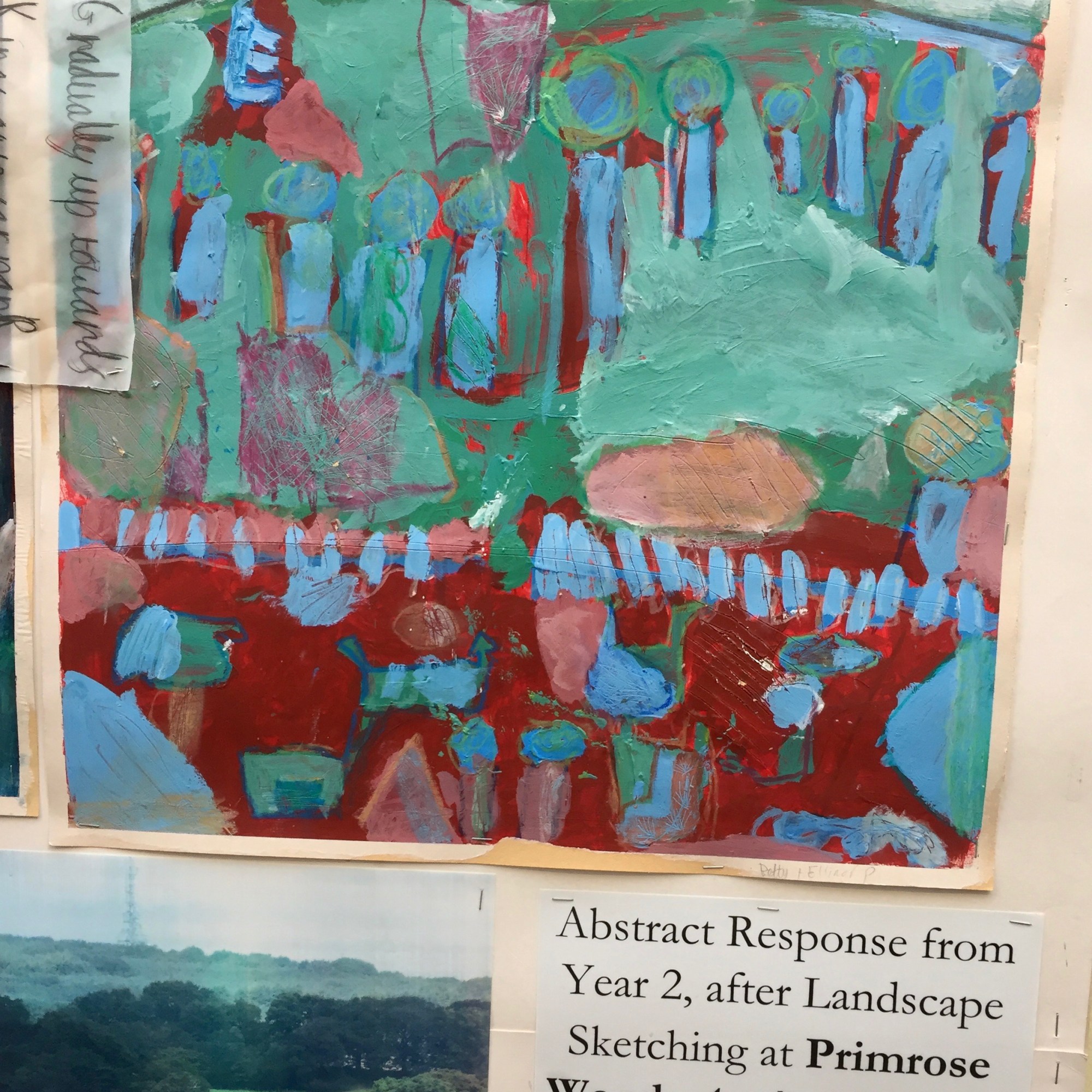
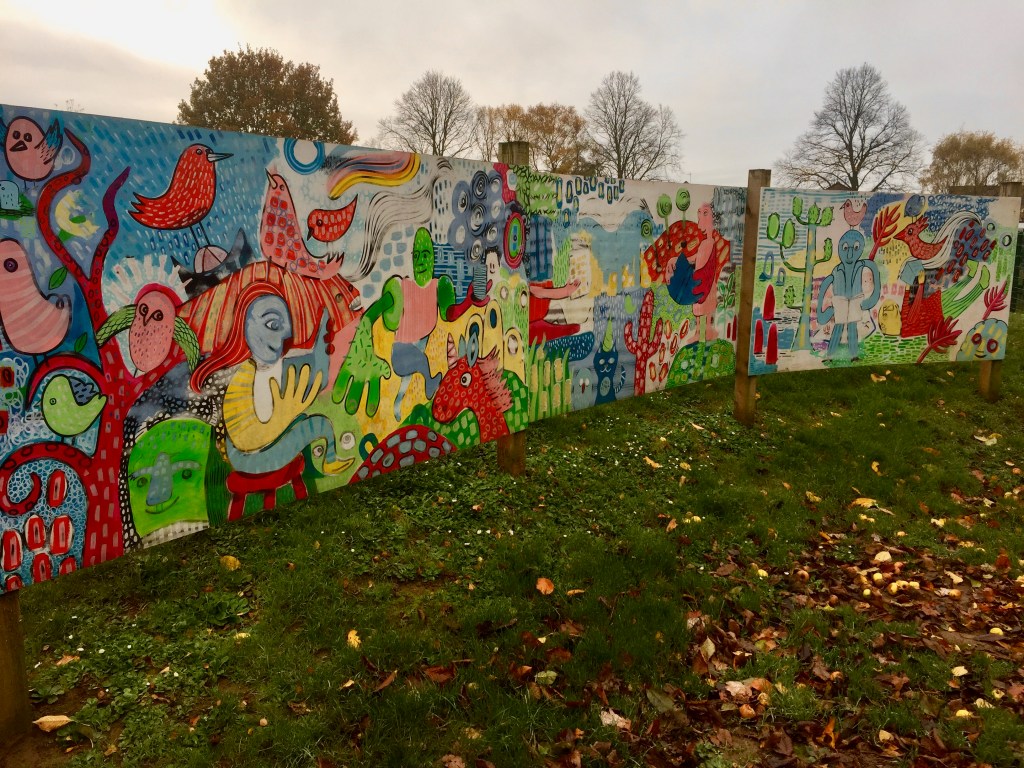
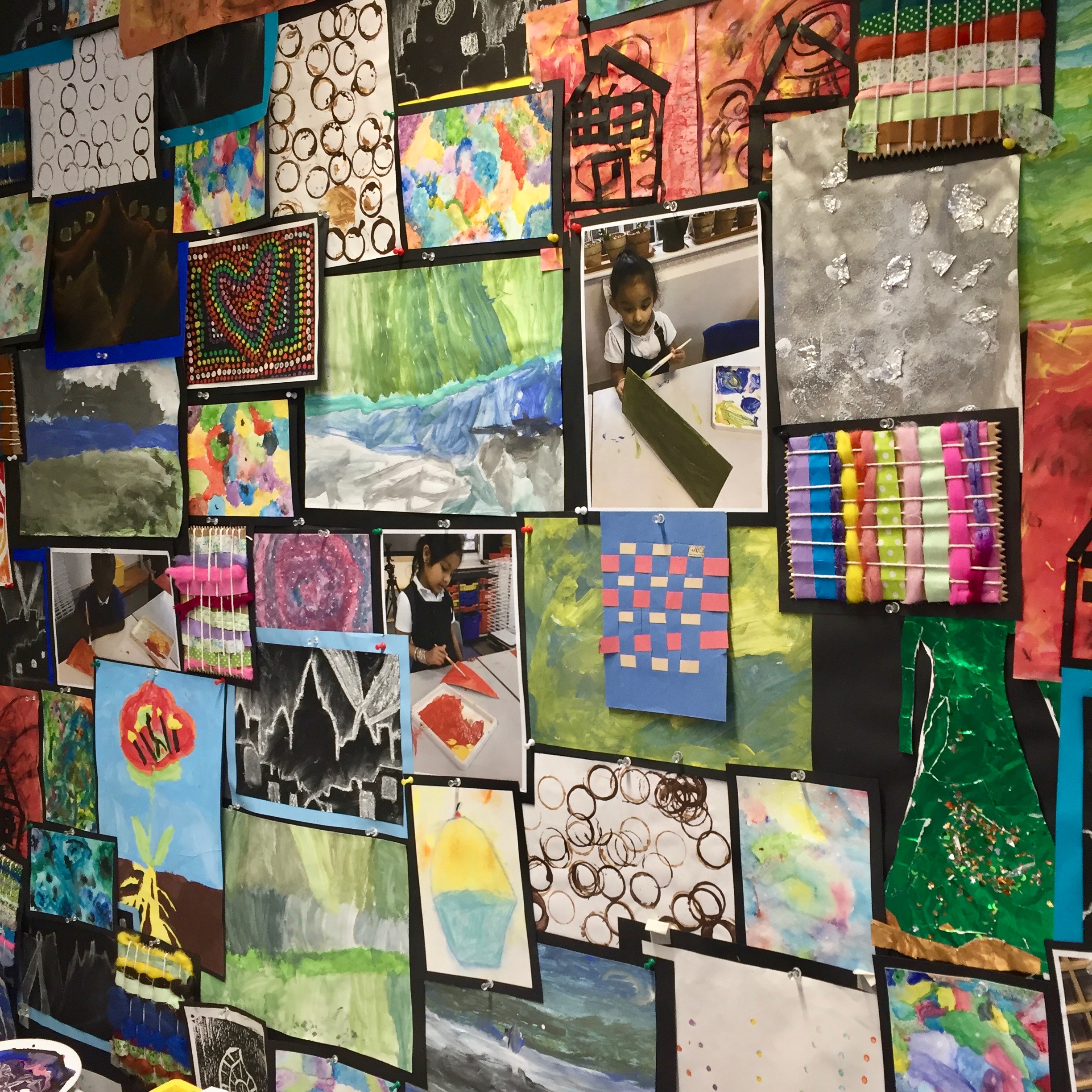
As examples of idiosyncratic primary arts practice and pedagogy, we were drawn to these Year 2 pieces from recent visits to the nearby woods:

Under Jon’s tutelage, the students at Kelsall have developed a distinctive semi-abstract style based on the extensive use of sketching, reworking, and a ‘no mistakes/no rules’ approach to art making. Jon explained to us how after building basic skills through structured lessons, the students could enjoy the freedom, independence and confidence of art making. He encourages the students by telling them to ‘go with it’ and asking for their thoughts. Jon repeatedly referred to the children’s sense of joy and play when creating art in this way.

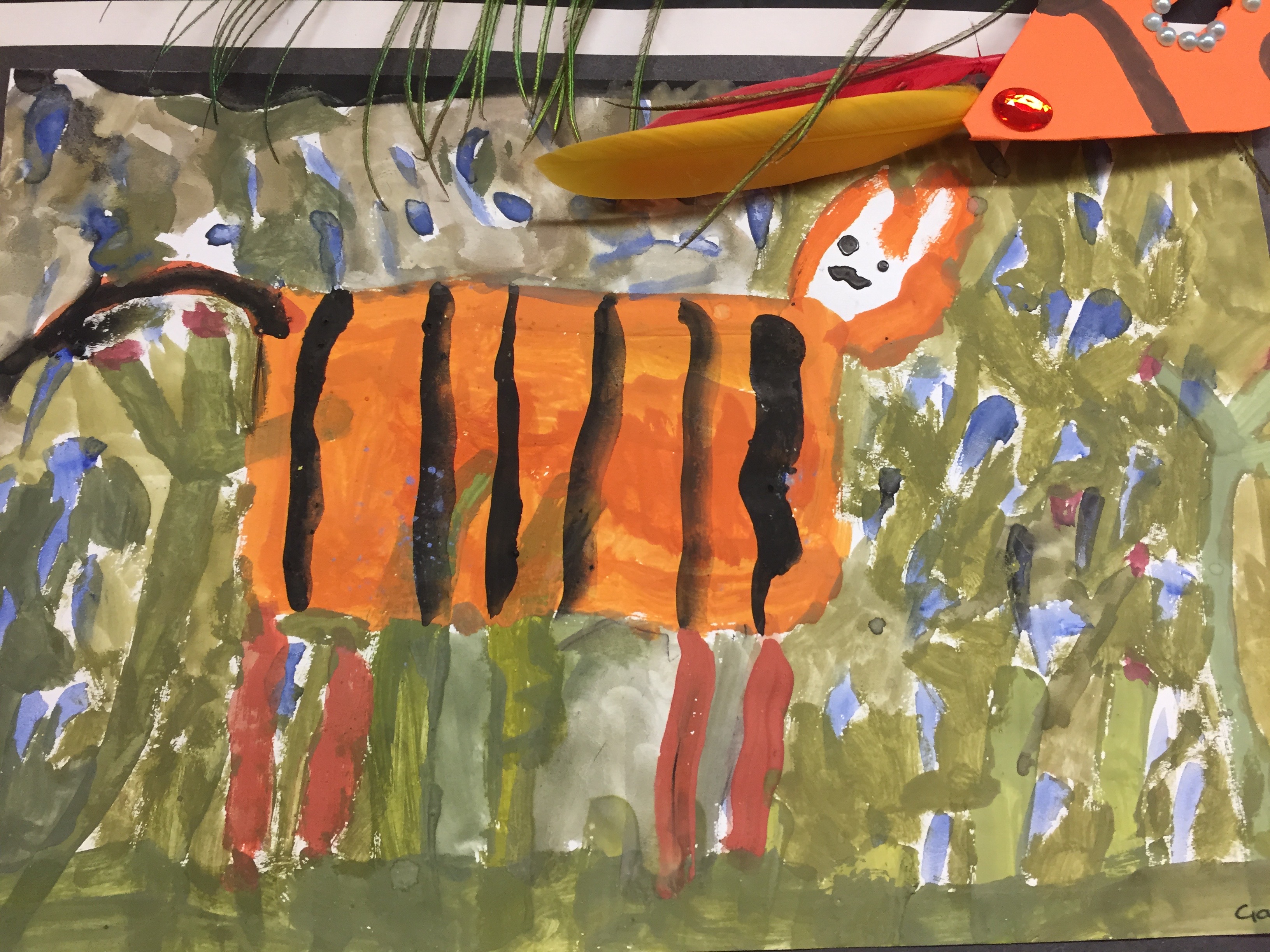
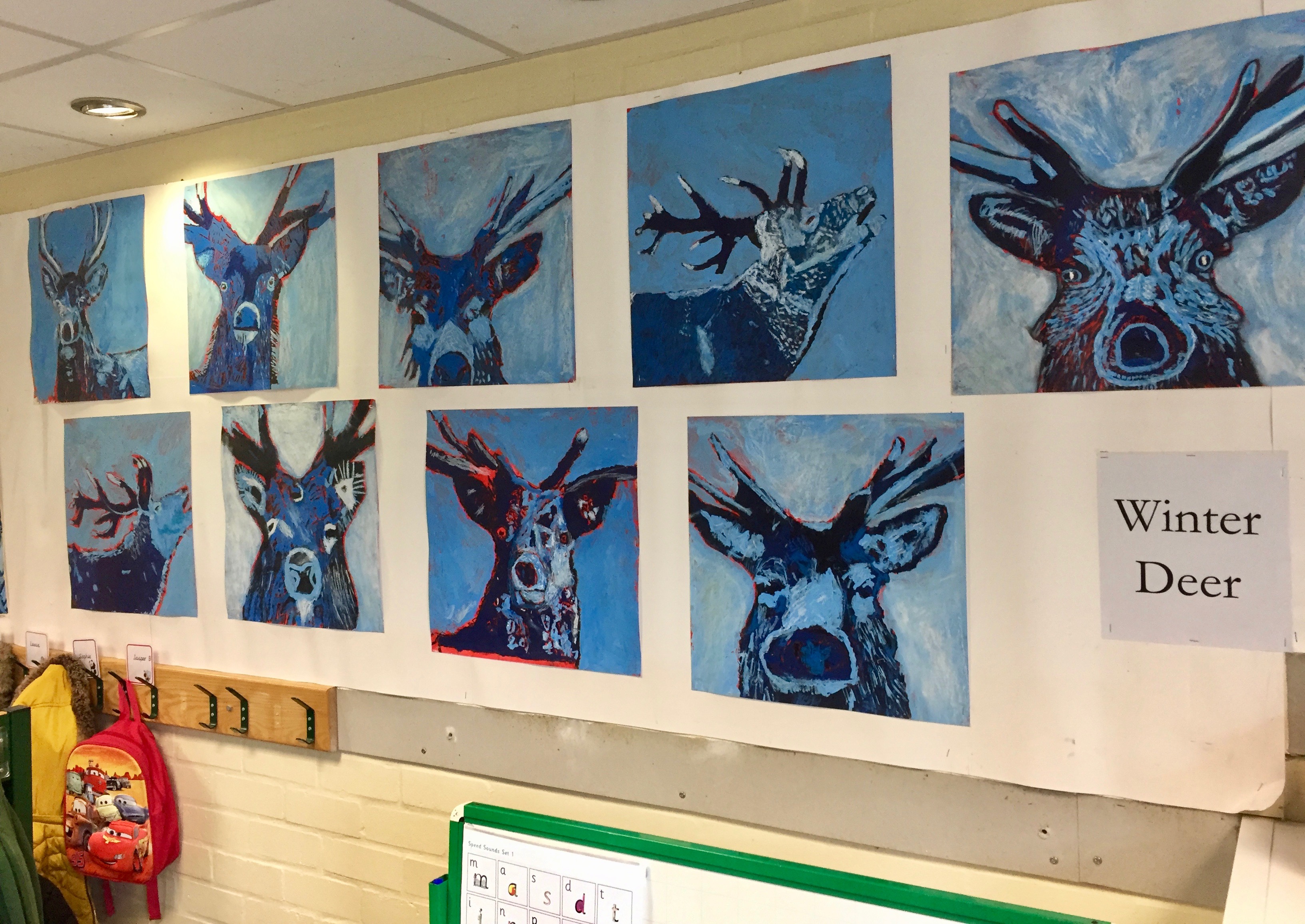
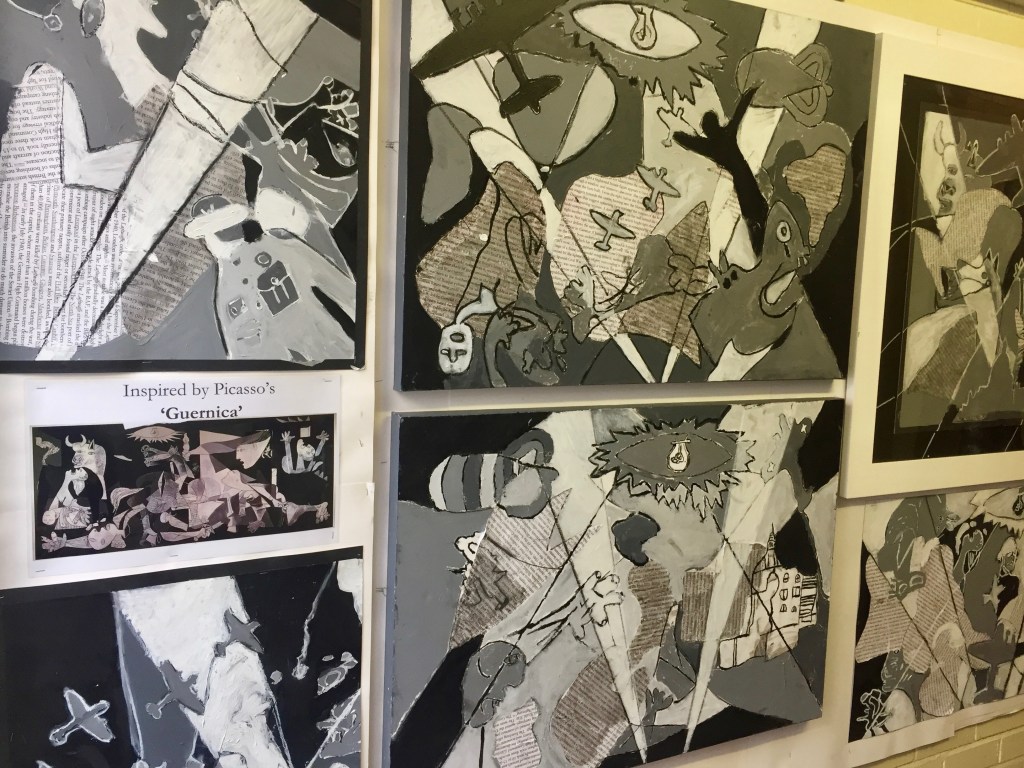
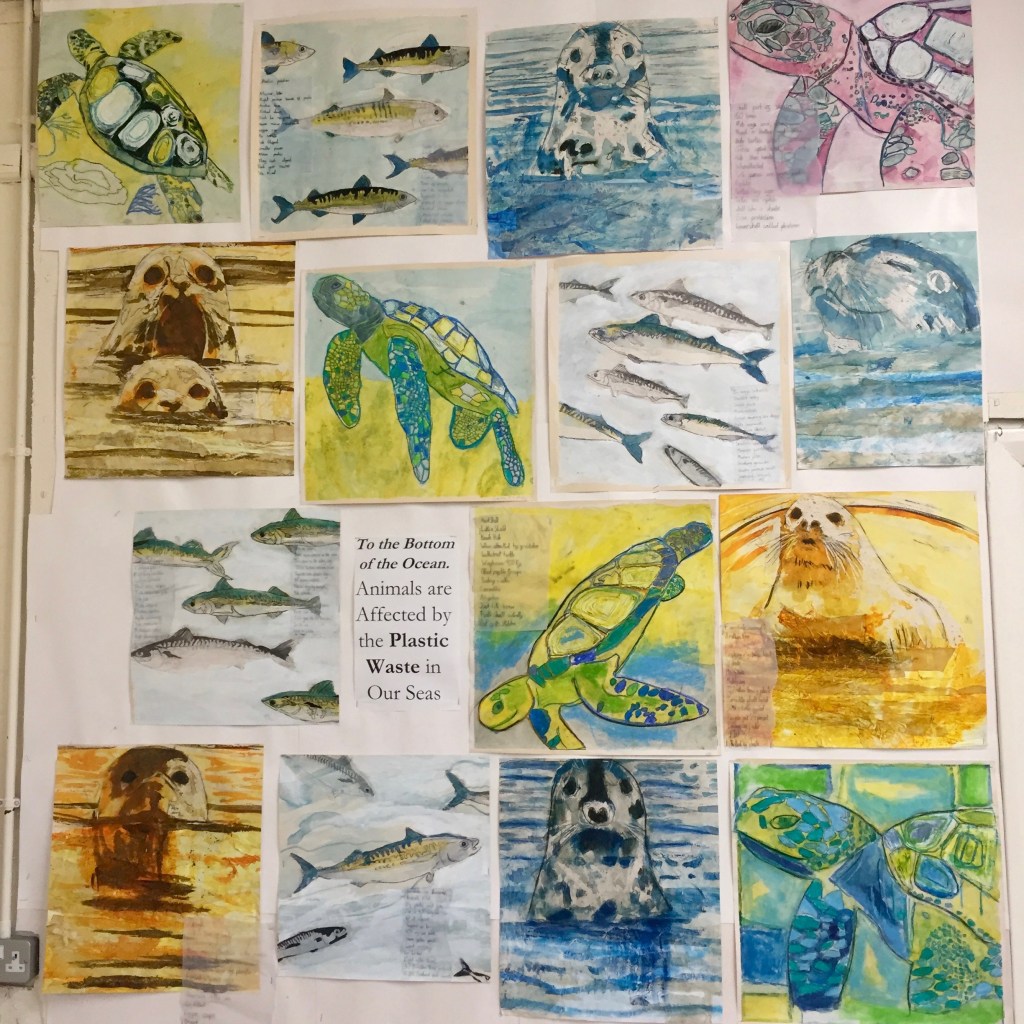
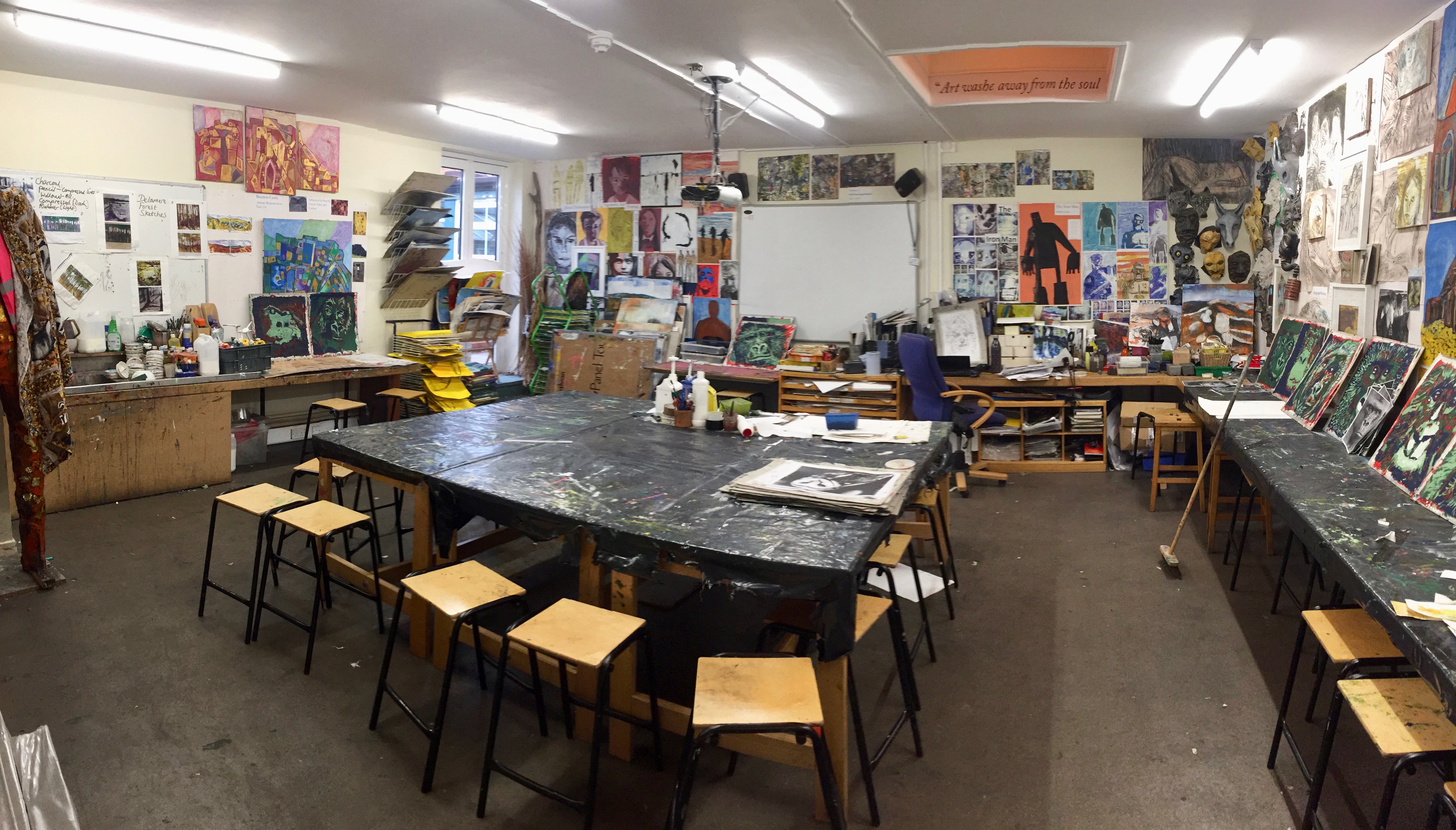
Displays included students pictures of animals (gorillas, tigers, orangutans, deer, turtles, crows, etc.), self-portraits, buildings, Guernica, and astronauts. They were using art to explore issues of plastic pollution, endangered species, refugees, war and other subjects.

While Jon told us that the students’ art was always based on something tangible, he described how working in semi-abstraction avoids many of the frustrations that students encounter then they strive for realism and a closely copied photographic approach. ‘They’ll always be rubbing out’, he explained.

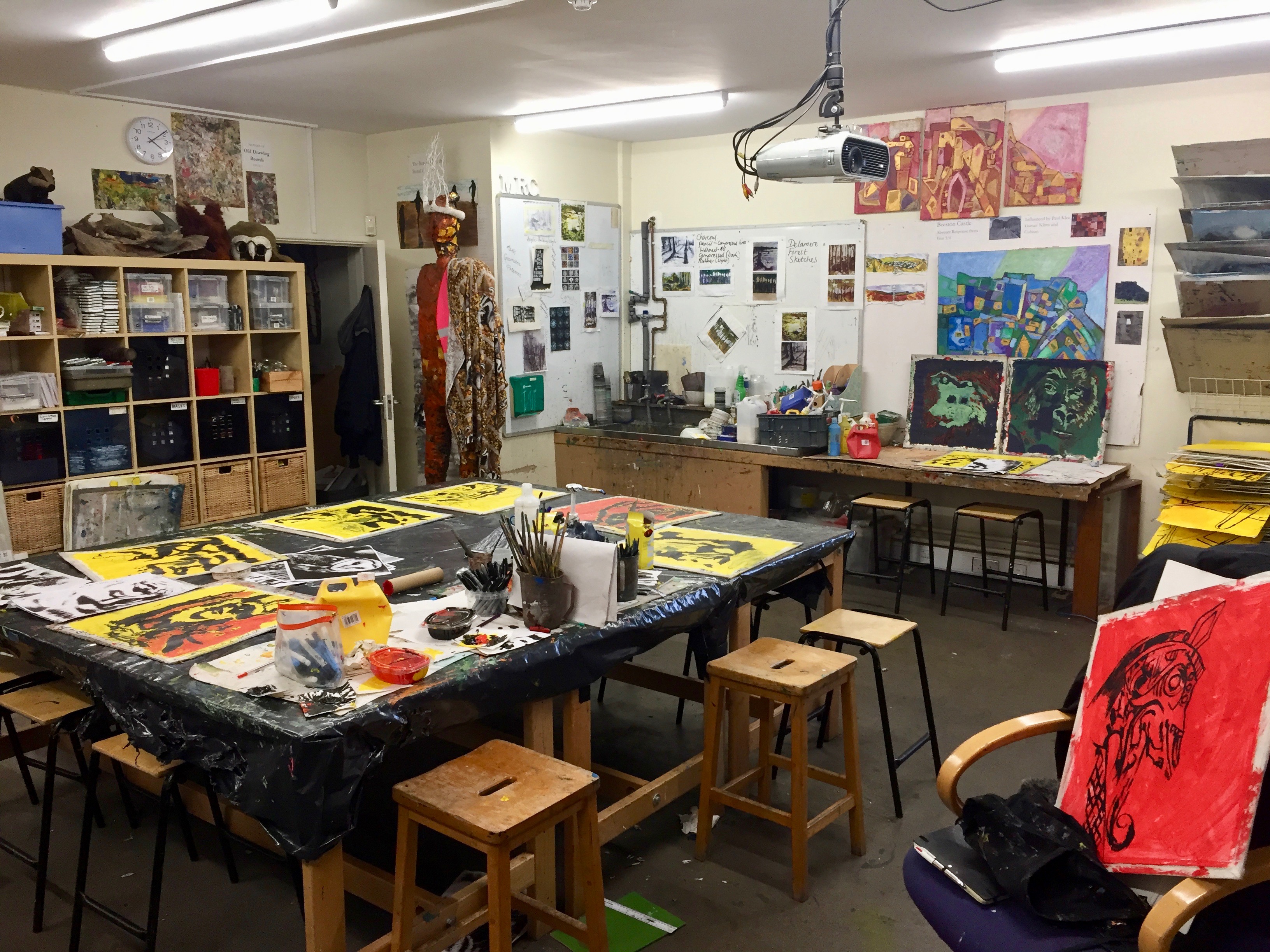
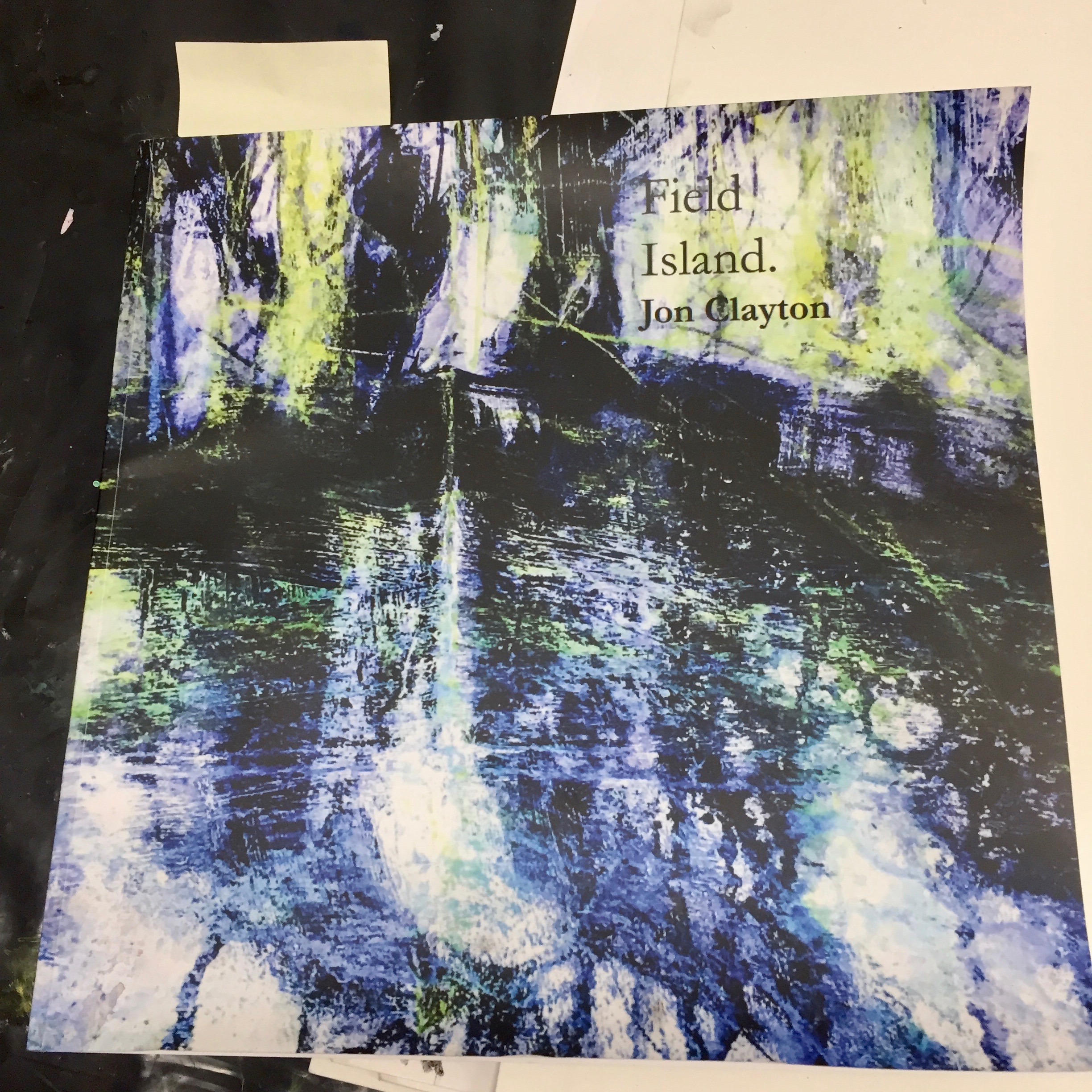
Jon and David were also creating their own artwork in the Art Room, after school and in the holidays. Their work was stored alongside the students’ work in the Art Room and other spaces in the school, there to inspire students and to use as explanation of techniques and approaches. Both men self-publish a series of books of their art work which could be found in corridors and classrooms.  

The students’ work had been entered in many local primary arts competitions. David told us that the school had voluntarily withdrawn from many of them in order to let other schools win occasionally (!). 

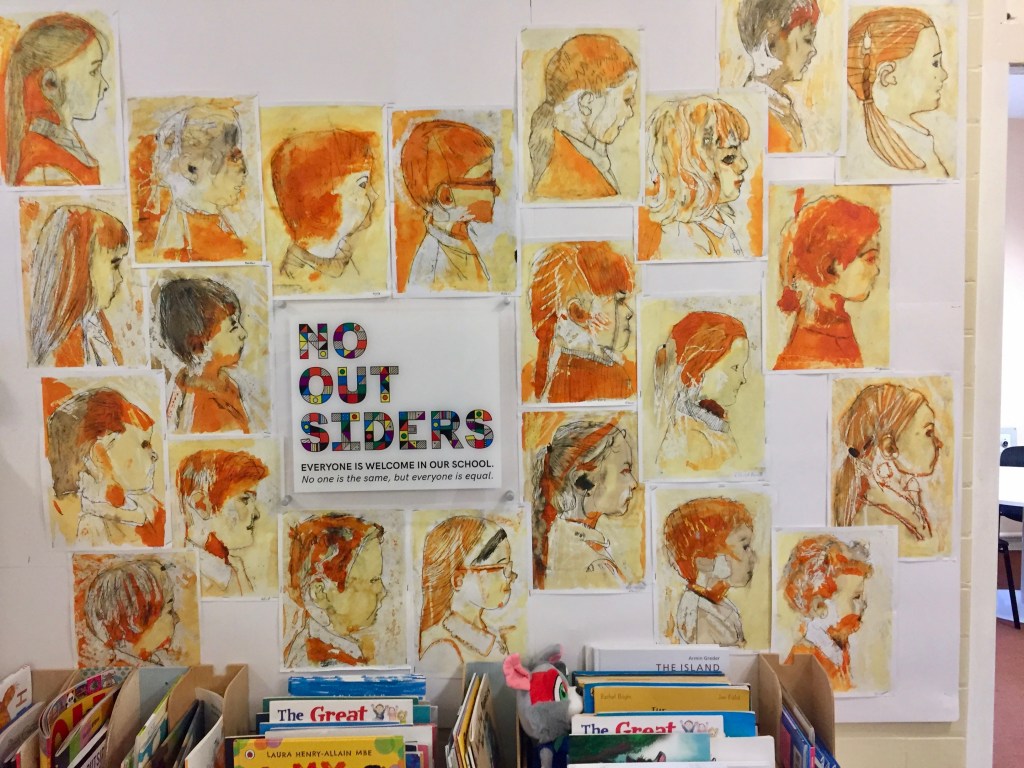
Kelsall’s whole school curriculum is based entirely around ‘high-quality’ books, used as ‘pathways’ to link specific artists, topics and issues. For example, there is a display of ‘No Outsiders’ portraits in the reception area.

As with all of the arts-rich school we have visited, there are many more arts activities taking place at Kelsall that could not be covered in any detail in a short blog piece. The short list for Kelsall includes:

  • A full-size statue of Nelson Mandela and extensive Black Lives Matter art works in the reception area
  • Twenty glockenspiels (!) plus equipment and performance spaces for the school Rock Band and other performance work
  • An in-development Room 13-style student-lead outdoor arts space
  • Gilbert and George

Thanks to Head Teacher David Wearing and Arts Lead Jon Clayton for inviting us into your school and to the students of Kelsall for sharing their experiences of their arts-rich education.

You may also be interested in reading our recently-published Art, Craft and Design Rapid Evidence Review – a survey of published scholarly literature on art, craft and design in education.